Israeli Study Bridges the Gap Between Medical Students and Senior Citizens
Intergenerational relationships provide an excellent opportunity for people from different backgrounds to learn and grow from each other’s experiences. Whether its grandparents and grandchildren or young adults and older community members.
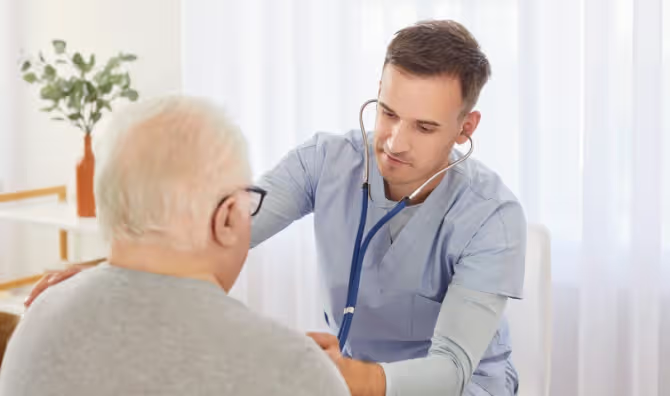
Now, new Israeli research, published in Medical Education Online, explores how young people entering the medical field can build rapport and understanding with their older patients.
Meeting Seniors in the Community
The study followed first-year medical students who interacted with seniors in their communities outside of a clinical, medical setting, according to a Hebrew University press release. Over the course of eight years, 313 medical students met with senior citizens in their homes. The students visited in groups of two, making about 10 60-90-minute-long visits throughout their first year in medical school.
During the visits, the young students conducted physical activity routines with their elderly partners and had conversations with them about their concerns related to aging, health, and vulnerability. The students were mentored and supported by experienced physicians and physiotherapists.
Afterwards, 60 of the participants were interviewed, reflected, or joined focus groups to share their thoughts on the experience. Students reported that interacting with seniors in the community helped them build trust, communication and listening skills, as well the ability to cope with difficult topics and treat their geriatric patients using a holistic approach.
Participants reported that as a result of this opportunity they developed empathy, communication skills, and trust that helped them grow as doctors and equipped them with tools for treating elderly patients from a place of knowledge and compassion.
Dealing With Difficult Topics
Conversation about mortality and aging can be uncomfortable for people of all ages, reports the Jerusalem Post. In fact, many medical students self-report feeling unprepared to cope with these issues. Additionally, geriatric care is often complicated by challenges related to disability, social support, and isolation.
Medical students who participated in this community initiative, interacting with elderly neighbors reported being more confident in their ability to wrestle with issues related to senior care. They explained that the experience helped them think deeply about difficult topics like mortality, aging, disability, and vulnerability, and that it helped them approach senior care from a more holistic perspective, taking into account the social setting rather than just prescribing a quick fix treatment.
One participant told The Jerusalem Post that, “When I was able to create a real connection with an older person, I understood that treatment has meaning far beyond providing medicine – it is about seeing the whole person.”
Developing Empathy and Communication Skills
Students also reported becoming better listeners and communicators as a result of the program. One student explained that, “I learned that sometimes, the most important thing is simply to listen,” while another shared that, “The relationship with my senior reminded me that behind every ID card and every age, there is a past; there are stories and dreams.”
One common theme that emerged as a result of the initiative was improved patient-physician communication. Participants became more attentive listeners and more sensitive communicators. They also learned methods for treating senior patients while respecting their autonomy.
Everyone wants to be listened to and respected, regardless of age. This unique and creative Israeli initiative where older community members and young doctors-in-training meet is bearing fruit — helping young doctors understand and empathize with the challenges their older patients are coping with. The program shows promise in its ability to train better doctors and mold a more compassionate and prepared healthcare system for an aging society.