5 Superfoods from Ancient Greece that Deserve a Spot on Your Table
The Mediterranean diet, which emphasizes natural, fresh foods, seafood, and fruits and vegetables, is one of the healthiest diets, reported the Pappas Post. This eating pattern is common in countries like Greece, Italy, and Spain, that border the Mediterranean Sea.
But, Greece isn’t a newcomer to the world of healthy eating. Hippocrates’ words of wisdom: “Let food be thy medicine and medicine be thy food,” really rings true. Ancient Greeks also consumed a diet rich in nutritious superfoods. Greek-origin superfoods acted not just to soothe the appetite but also to promote general health.
From the ancient Mediterranean foods to the modern Mediterranean Diet, Greek cuisine has a long history of fostering mental and physical health benefits.Here are five foods that ancient Greeks enjoyed that continue to be relevant to modern, healthy diets.
Pomegranates
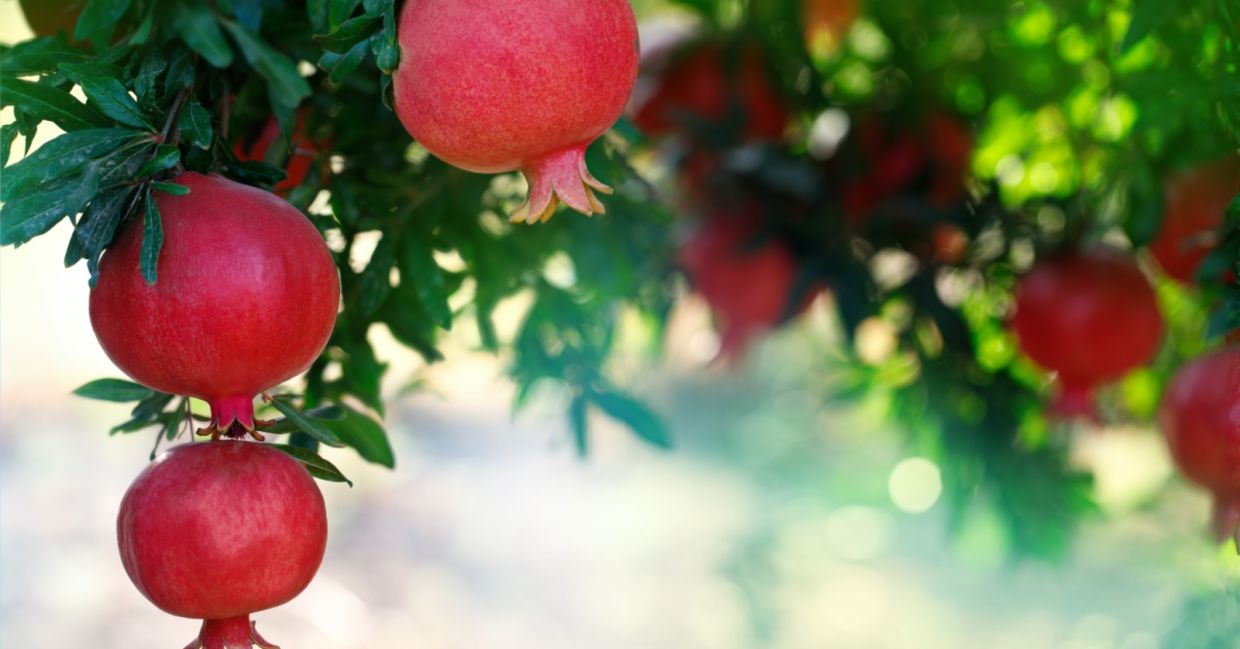
Ancient Greeks, according to the Greek Reporter, believed this tangy, wine-red fruit could improve strength and well-being. And, they weren’t too far off the mark. Pomegranates are a low-calorie, high-flavor fruit that are packed with fiber, vitamins, minerals, and antioxidants. These powerful plant compounds are linked to many health benefits that include protecting you from chronic diseases.
In fact, a study, published in Pharmacological Research, found that consuming pomegranate juice could boost heart health and help regulate blood pressure, two important factors in cardiovascular health.
(Olga Mukashev / Shutterstock.com)
Extra-Virgin Olive Oil
Is there anything more Greek than olive oil? According to a study published in Food Research International, extra-virgin olive oil, a longtime Mediterranean staple food, was called “the great healer,” by the ancient Greek physician, Hippocrates because of its medicinal properties.
Modern medicine corroborates ancient Greeks’ views on this liquid gold, reported Pappas Post. There are many health benefits of oleocanthal, a phytochemical found in extra-virgin olive oil, including a reduced risk of developing inflammatory diseases such as heart disease, arthritis, and some cancers.

(sweet marshmallow / Shutterstock.com)
Koumara Honey
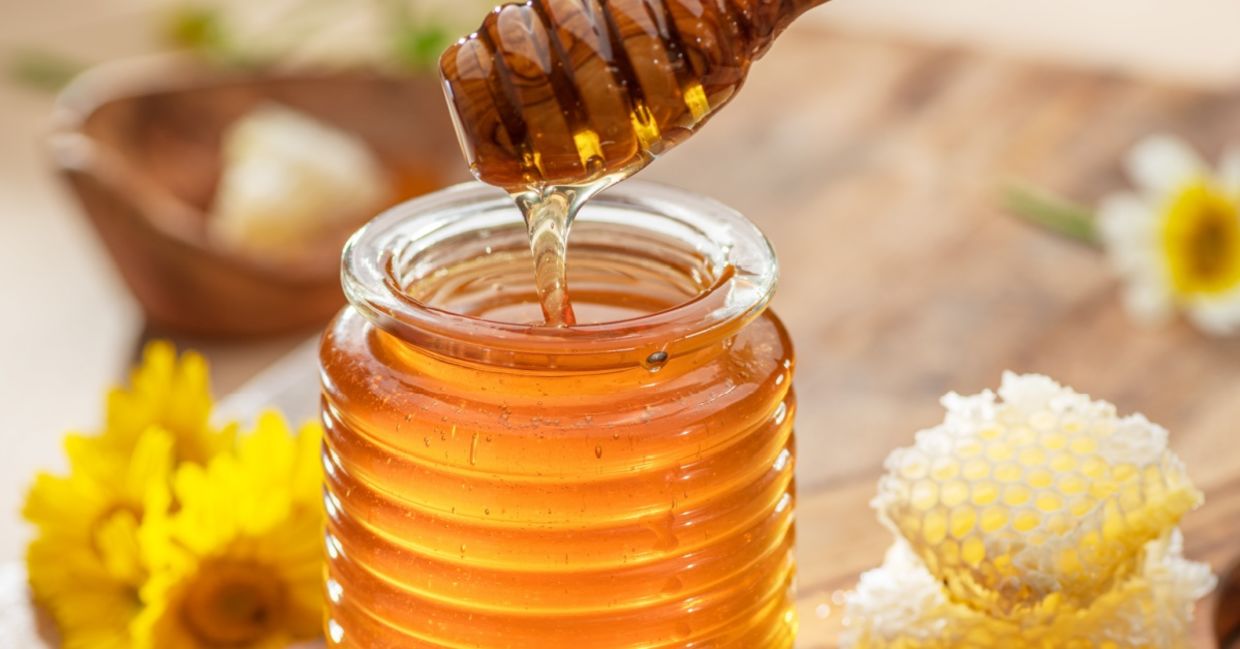
Honey features widely in Ancient Greek culture and literature. In Homer’s Odyssey, for example, Circe used honey to tempt Odysseus’ crew. Greek philosophers, Aristotle and Democritus wrote that honey boosted immune and overall health.
Koumara honey, the Greek Reporter shared, was a popular honey variety in ancient Greece. This honey is produced by bees using nectar from the Koumaria tree and has a bittersweet flavor. In contrast to other honeys, Koumara honey is low in sugar and has a host of health benefits. Koumara honey may have anti-inflammatory and antiseptic properties and may help regulate blood pressure and help with the symptoms of arthritis.
(Valentyn Volkov / Shutterstock.com)
Royal Jelly
Honey isn’t the only ancient Greek superfood sponsored by bees. Ancient Greeks, including Pythagoras, regularly consumed royal jelly, which they believed promoted mental and physical health. Royal jelly is a creamy substance produced by worker bees to feed the queen of the hive, and it is packed with vitamins, amino acids, and minerals. Royal Jelly is used to promote immune and hormonal health as well as to boost energy.

(JPC-PROD / Shutterstock.com)
Saffron
Saffron was extremely popular in the ancient world and appears in ancient cuisines ranging from India to Egypt to Greece, but some food scientists believe it originated in Bronze Age Greece. The Krokos Kozanis, a website dedicated to this herb, shares that the saffron crocus, the flower from which saffron originates, features in ancient Greek mythology.
Today, saffron is the most expensive spice because it is time-consuming and labor-intensive to produce, according to Healthline. Saffron has been shown to have antioxidant properties and may help alleviate depression.

(Pixel-Shot / Shutterstock.com)