7 Blossoms That Bring Color in the Winter
Winter brings with it its own uniquely beautiful scenery. Pristinely white snowfields, ice-covered branches reflecting the sun’s gleam, and vivid, late-morning sunrises. With all the beauty that winter has to offer, there’s little reason to pine for spring’s colorful blossoms in the middle of February’s tranquil chill.
Besides, flower enthusiasts can still have their cake and eat it too by enjoying the winter ambiance while appreciating the cheerful and colorful beauty of cold-weather bloomers. Moreover, according to House Beautiful, there are a surprising number of plants that bloom in the winter. Here are seven hardy winter flowers that show off their colors while the ground is still blanketed in winter snow.
October Magic Rose Camellia
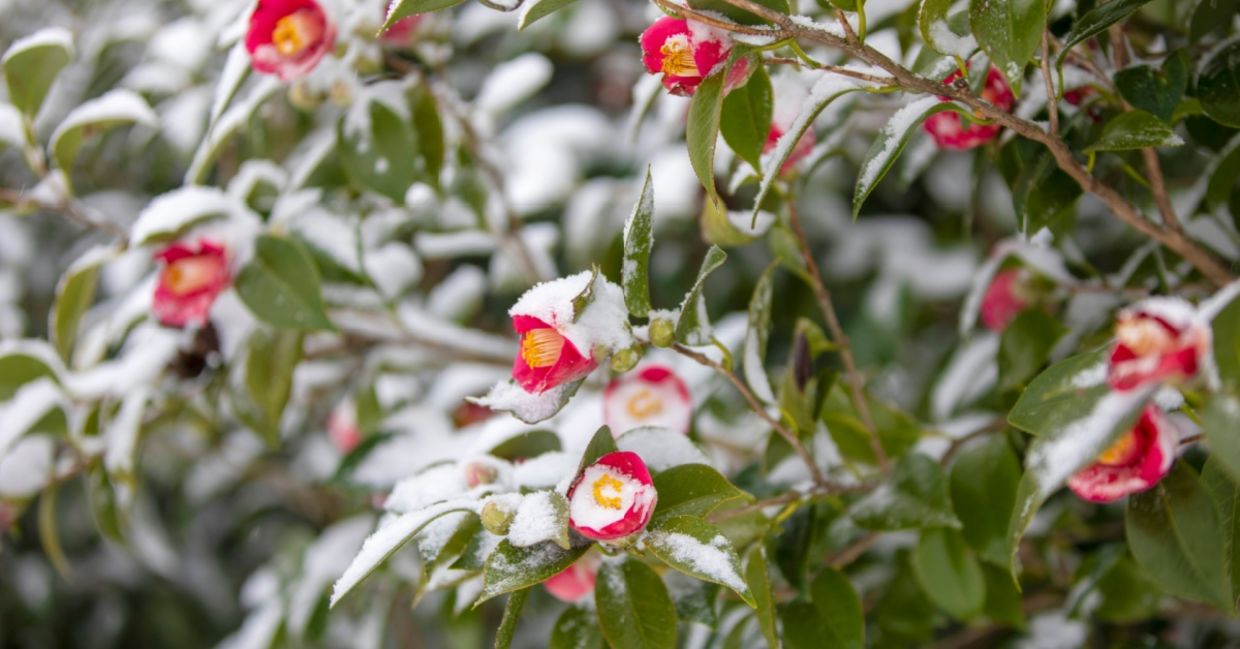
This camellia variety is a gorgeous plant featuring large, bright-pink flowers and olive-green leaves that stay evergreen even in the chilly season, according to The Spruce. Not only does this vivacious camellia show its vibrant colors in fall and winter, it is also low maintenance, long-lived and provides vibrant color blooms long after most other blooms have already faded.
“Camellias set their flower buds in summer, then open them when temperatures cool,” plant expert Jim Putnam tells The Spruce. “Cold doesn’t trigger dormancy for camellias the way it does for many shrubs; it actually triggers blooms.”
To grow this winter bloomer in your garden, encase the young shrub’s shallow roots in protective mulch and don’t forget to keep watering it in the winter. Additionally, though the plant is hardy and stands up to cold, if there is a particularly hard or long freeze the camellia’s delicate blossoms may need to be covered with frost cloth.
(ju999 / Shutterstock.com)
Soft Caress Mahonia
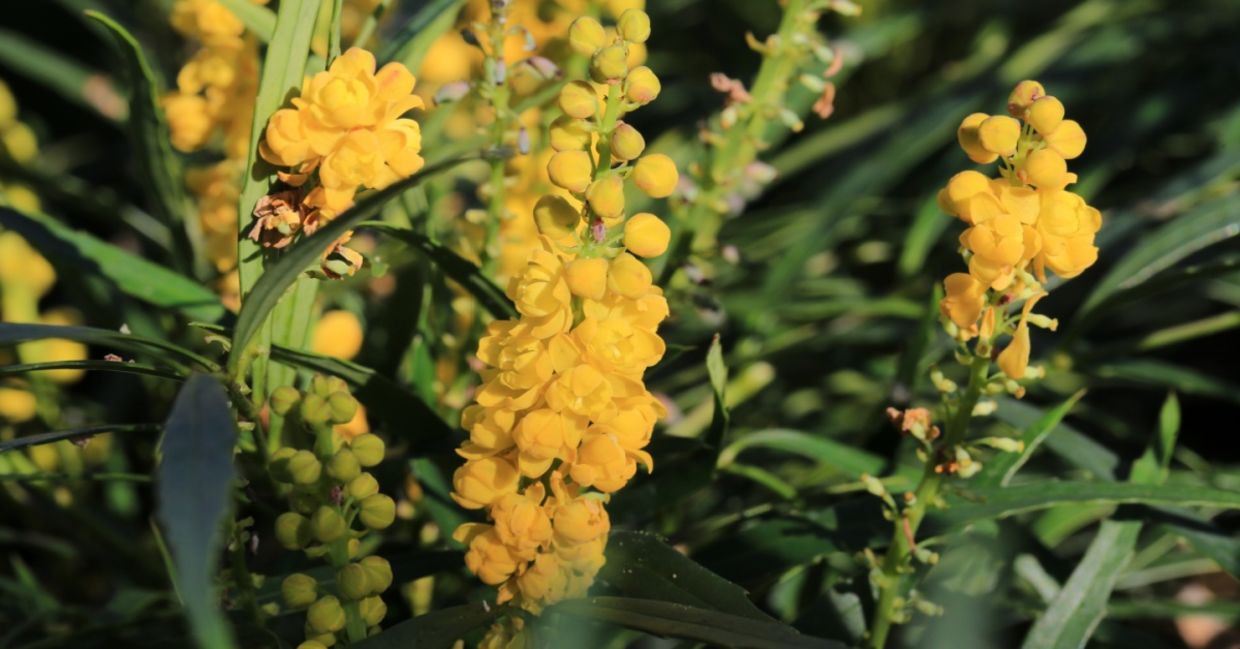
Mahonias are considered super-shrubs because they thrive without much care and can resist some plant pests and freezing temperatures. And, whereas most mahonias are thorny, the Soft Caress variety, “stays compact, doesn’t have any sharp spines of other mahonias, thrives in shades, and brings winter color without demanding constant maintenance,” Putnam shares. Not only that, but these shrubs provide bee populations with nutrients in the relatively barren winter season.
This low-maintenance plant is well-adapted to cold weather and doesn’t require frost protection. It features fine-textured leaves and bright yellow flowers that add a pop of color to winter’s white scenery.
(Traveller70 / Shutterstock.com)
Witch Hazel
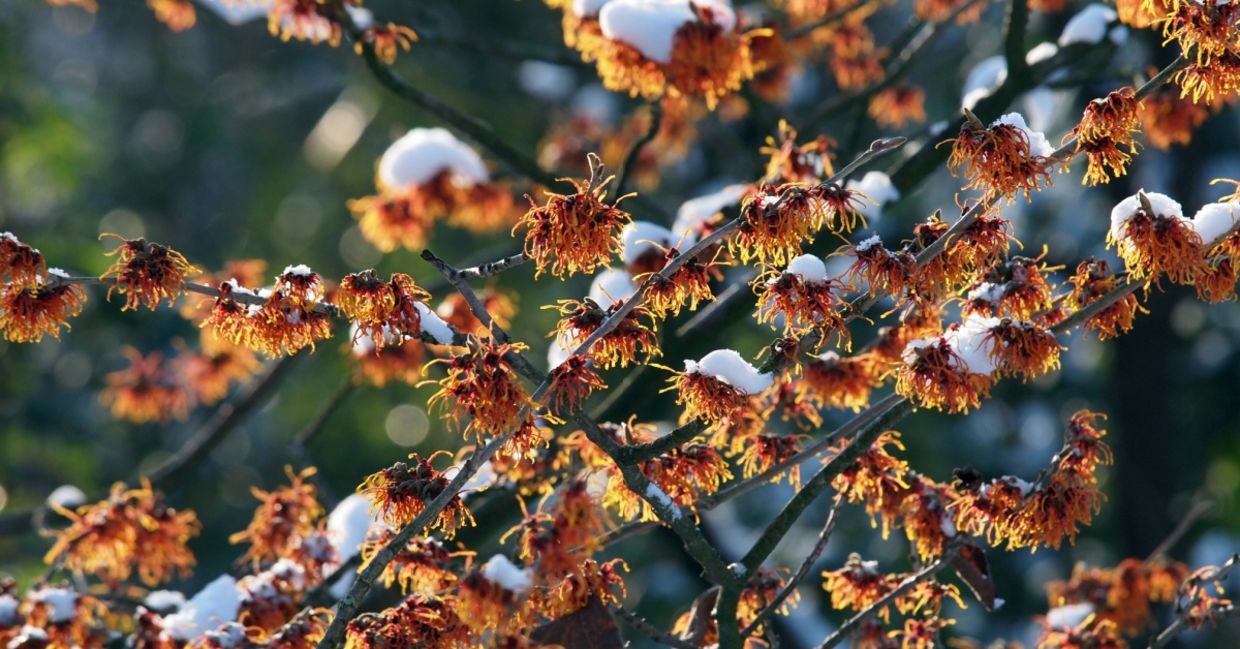
Witch Hazel are spidery shrubs that require frigid temperatures to bloom. Not only do these plants add color to the wintry season, they also smell lovely. In fact, the sweet and pleasant witch hazel scent may alleviate seasonal mood disorders. Witch hazel extracts are also used to treat bug bites, minor burns, and other skin irritations.
To cultivate witch hazel, plant it in early spring or late fall and water as needed until it is strong and well-established. At this point, the hardy shrub will be able to care for its own hydration needs and won’t need watering unless there’s a severe drought.
(Edwin Butter / Shutterstock.com)
Winter Aconites
These perennials show off their bright yellow, cheerful blossoms in the midst of winter’s bitter cold. “Winter aconites,” horticulturist Peggy Anne Montgomery says, “are low-maintenance, long-lived, and an important early food source for bees and other pollinators, making them as beneficial as they are beautiful.”
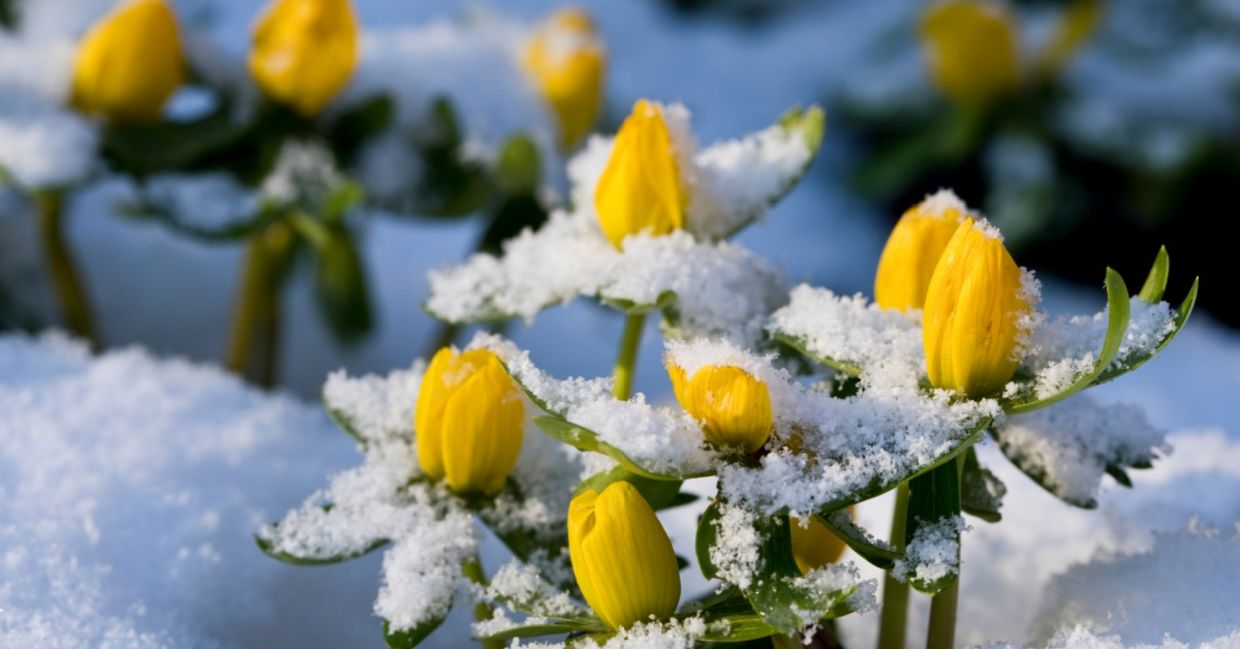
(Andrew Linscott / Shutterstock.com)
Snowdrops
Snowdrops contain a natural antifreeze allowing them to bloom in the dead of winter while snow still blankets the ground These flowers, Montgomery explains “symbolize resilience and renewal and are an essential early food source for pollinators emerging from winter. Their delicate, frost-defying blooms bring life to the garden when little else is in flower, making them a vital addition to beauty and biodiversity.”
Snowdrops, according to Southern Living, earn their name not just because they bloom in the snow, but also because the blossom itself is snowy-white in color and droops down like a hanging chandelier. These plants require winter’s cold in order to germinate and therefore grow best in the frigid north, flowering around February.
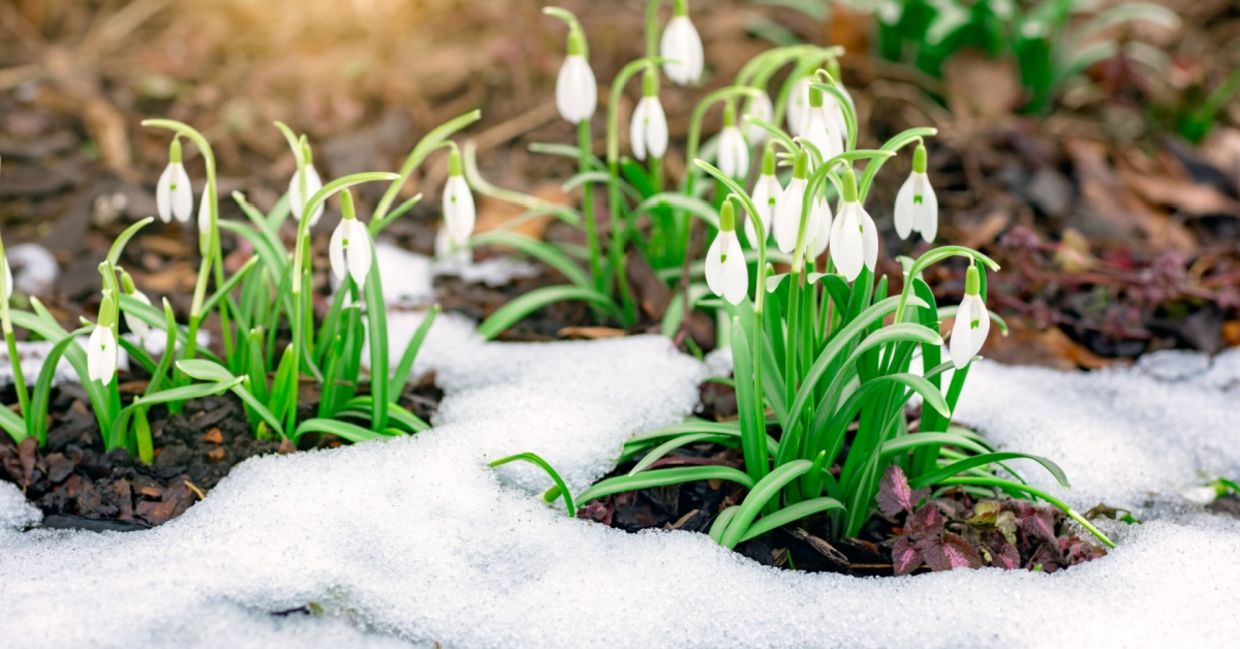
(Real_life_photo / Shutterstock.com)
Japanese Quince
Japanese quince features delicate flowers that range in color from white to pink to orange to red. The plant is hardy and can grow in full sun or slight shade and requires little-to-no watering.
Japanese quince is a popular garden plant that can be grown on a trellis or as a hedge. It also produces fruits that are edible.
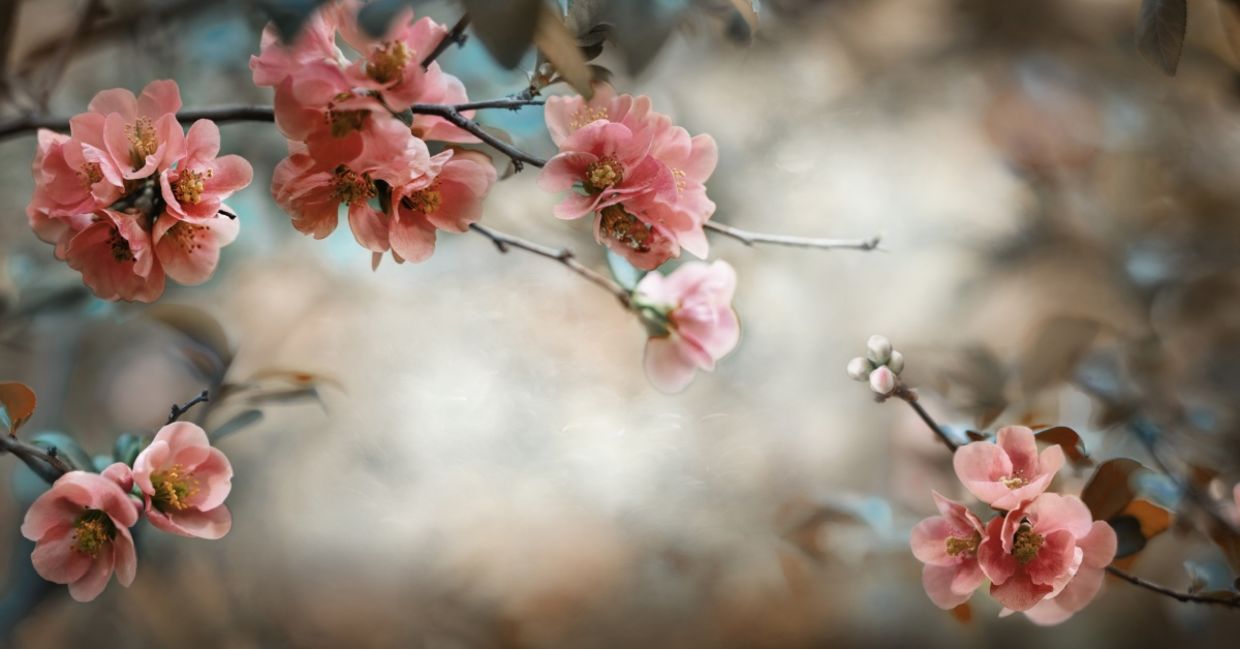
(billysfam / Shutterstock.com)
Winter Jasmine
This jasmine variety is another popular hedge or trellis blossom. It is famed for sweet-smelling star-shaped yellow blooms that peak through the snow in early January. The shrub is so hardy and grows so rapidly that it can become invasive, so gardeners are cautioned to prune it in the spring when it ceases to blossom.
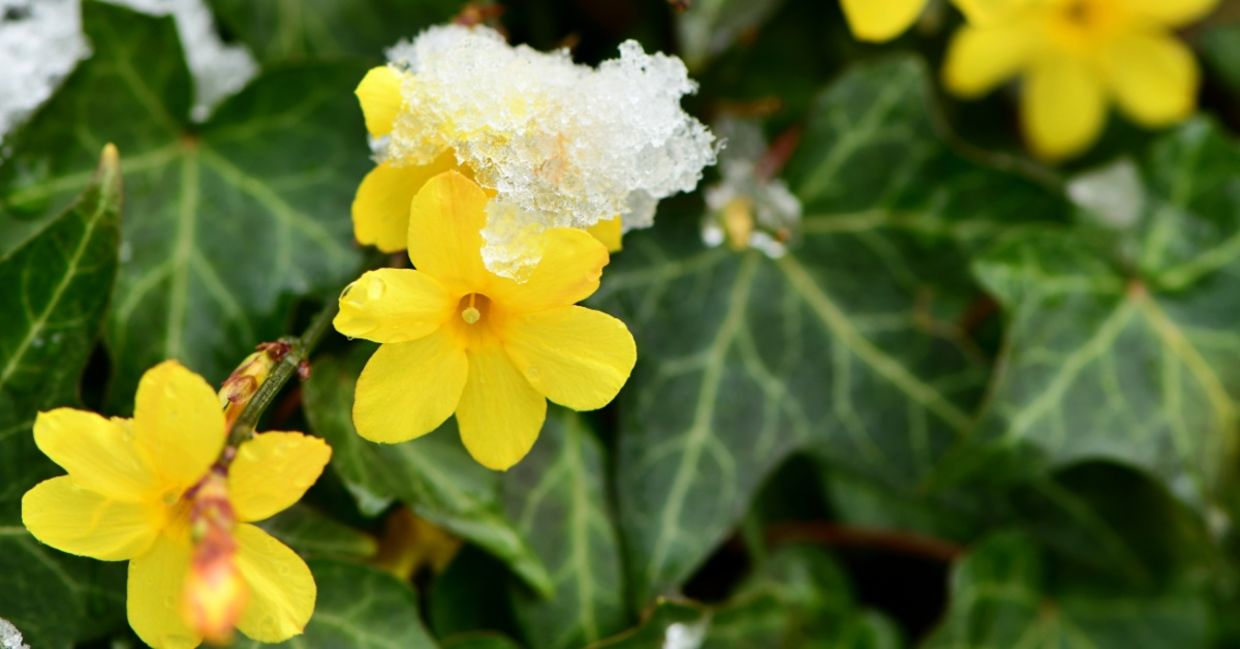
(Lancan / Shutterstock.com)