

(anatoliy_gleb / Shutterstock.com)
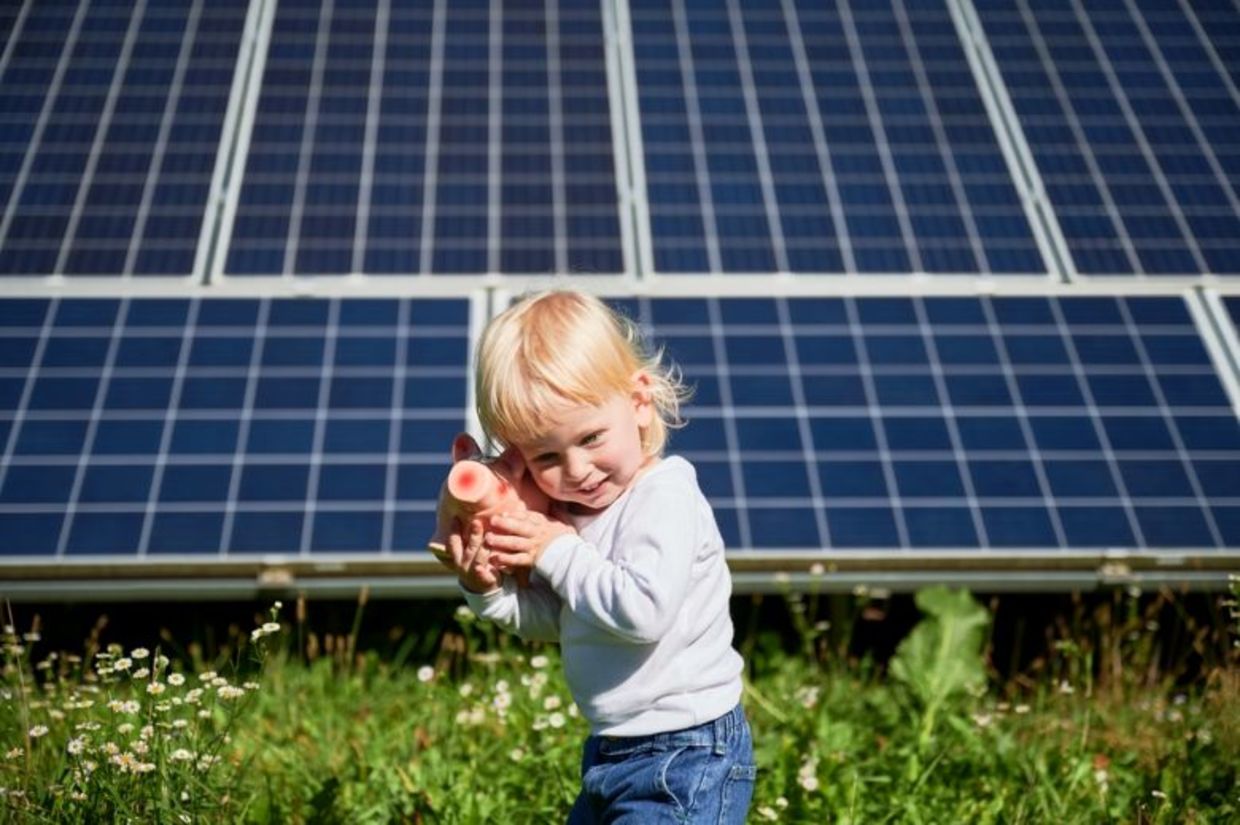
Three hours of free electricity will be offered to millions of households daily in three Australian states in a new “Solar Sharer” scheme. This will distribute the fruits of the country’s solar boom starting in summer 2026, as TechCrunch details.
View this post on Instagram
The program aims to encourage more consumers to shift their energy use to peak solar-production hours, because the government seeks to spread the benefits of solar power, as ABC News Australia reports.
A Cutting-Edge Energy Program
This new opt-in scheme, announced by the Australian government in early November 2025, is set to start in July 2026. It will be offered to households with smart metres in three states: New South Wales, South East Queensland, and South Australia. Coverage is expected to be expanded to other areas later on. Notably, households won’t need to have solar panels on their rooftops, or own their homes to qualify for the perk.
The scheme mandates that retailers provide three hours of free peak-solar electricity daily to homes with smart metres. It aims to shift the use of large appliances such as electric vehicles, and air conditioning, dishwashing and washing machines, to the middle of the day to utilize solar surpluses when solar generation is highest, and to reduce overall household costs, as well as strains on the electricity grid.
It is hoped that this program will better utilize existing infrastructure, lower overall grid costs, and make clean energy far more accessible to more people.
Australians have been installing rooftop solar installations for years, paying about US$840 per kilowatt of capacity before rebates, which is about a third of what US households pay. Consequently, over a third of Australian households have solar panels on their roofs.
“Now we’re at the level where we can share more of that power with more Australians,” Chris Bowen, minister for climate change and energy, said in an Instagram video announcing the policy.
He emphasizes that Smart appliances can help enable consumers to make the most of this offer by allowing them to schedule when they charge their large appliances.
Bowen also declared that free daytime power for families across the country proves that what’s good for the planet is also good for the consumer pocket.
View this post on Instagram
As New Scientist reports, the intention is to encourage Australians to diminish their electrical consumption at nighttime, on their return from work, when they typically use most of their appliances. At this time, power is more costly as it’s being run by more traditional coal and gas, to around the middle of the day when it is run by renewable energy.
Another advantage is that shifting loads in this way should reduce the need for the grid-scale batteries that Australia has been installing to conserve extra solar power.
Some Consumers and Energy Providers are Airing Concerns
A number of consumers are worried that energy providers won’t simply absorb the loss, but shift it by charging more for consumption at other times to recover costs.
Nationals senator Matt Canavan, who supports coal-fired power, told ABC News Australia that the policy came with a catch, as rather than getting free power, they can expect more expensive power: “Because if they have to give you free power at some parts of the day, they're going to make you pay more at other parts of the day.”
Others are worried that grid stability will be affected if thousands of households decide to charge large appliances at the same time, even if energy is free, also noting that seasonal differences in sunshine won’t make this plan effective year-round, as Energy Matters observes.
Some environmentally-aware consumers also claim that Bowen’s policy, which offers free power in the middle of the day, could hobble the market for the installation of free solar, as reported in The Conversation.
Local energy providers, particularly smaller ones, have objected to being left out of key policy discussions, as many were blindsided by the announcement on the scheme. They have warned that the plan can negatively affect their businesses.
Bowen insisted, however, that he made “no apologies” if the Solar Sharer program ate into their profit margins: “I work well with energy companies but they are not first — consumers are put first,” he said, as ABC News Australia reports.
Solar Power Sharing Has Been Trialed Elsewhere
Australia’s Solar Sharer plan isn’t a pioneer in offering periods of electricity on the house. The UK’s Octopus Energy supplier has offered a plan that on occasion gives free electricity to customers, although this isn’t a regular occurrence.
In many places, solar has become so cheap that electricity is free for part of the day, while midday peaks in solar production can make electricity prices negative, meaning that providers are actually paying customers to use energy!
But Australia leads the world in rooftop solar adoption, as economic research body, the e61 Institute explains. Rooftop solar panels are now the largest source of clean electricity in the country, and growing, as fewer wind and solar farms proceed, suggesting that broader solar power adoption could push down energy prices in several world regions too.
YOU MIGHT ALSO LIKE:
This Woman Helps Humans and Pooches Find Their Happy Place
Warmed By The Sun
Backyards Into Meadows!