


(PV Productions / Shutterstock.com)
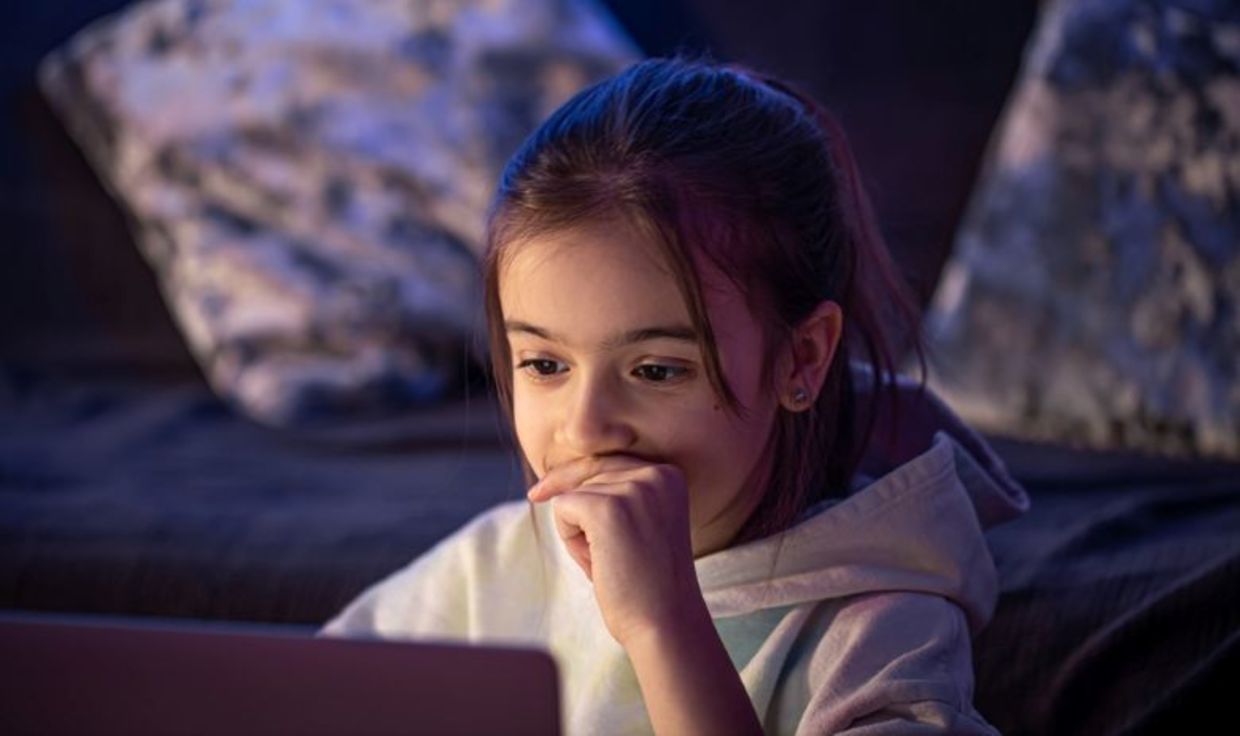
In mid-December 2025, Australia became the first country in the world to ban children under sixteen from using social media.
While this move is welcomed by many parents and child advocacy groups due to the documented effects of social media on children’s health and safety, the idea of a country blocking children from using technology that is part and parcel of modern life has been criticised by tech companies such as Reddit who has filed a legal challenge, according to the Los Angeles Times, as well as free-speech advocates. Nonetheless, multiple countries are said to be considering similar prohibitions.
Australia’s New Law Protects Kids From the Hazards of Social Media
Since December 10 2025, ten of the largest social media platforms in Australia, including TikTok, Instagram, and Facebook, were compelled to block children from access or face fines of up to US$33 million under the new legislation.
Significantly, as UNICEF Australia details, the new rule doesn’t punish young people or their families, but compels social media companies to stop under-16s from having accounts.
Many of the estimated one million children affected by the new law posted mournful farewell messages on social media with young Australians raised on social media facing the prospect of losing access to their beloved apps with a mix of sadness, humor and disbelief, Reuters reports. Many, however, were positive about ending a daily existence of hours behind a screen.
In a video message, the country’s Prime Minister, Anthony Albanese, called the introduction of the new law a “proud day” for families who are taking back power from the tech companies, seeing it as proof that policymakers can limit online harm that has outpaced traditional safeguards. “This will make an enormous difference. It is one of the biggest social and cultural changes that our nation has faced,” he told a news conference.
Ahead of Australia’s school summer break, he urged children to “start a new instrument, or read that book that has been sitting there for some time on your shelf.”
Multiple global studies and reports, including a 2023 social media advisory report from the United States Surgeon General, highlight red flags emerging from research into the negative impacts of social media use on youngsters. In the words of this report, “Excessive and problematic use of social media can harm children and adolescents by disrupting important healthy behaviors.”
These adverse effects range from undesirable content exchanges and the normalization of behaviors such as self harm, to negative impacts on body image, and the exacerbation of pre-existing mental health difficulties such as eating disorders made worse by social comparison that is readily available on social media.
Additional serious documented risks include cyberbullying, and exposure to hate-based content such as racist language.
Furthermore, algorithms designed to push maximum user engagement such as push notifications and measuring and displaying popularity (likes) don't make things safer for children either.
More Countries Planning Similar Steps to Protect Youngsters
Australia’s social media ban for youngsters is being closely watched by multiple other countries concerned about the negative impacts of social media on the mental health of youngsters.
As Australian premier Albanese grasps in a comment that is quoted by Reuters, Australia’s precedent is likely to impact policies globally: “It's a profound reform which will continue to reverberate around the world.” Or as Australia’s e-safety minister, Julie Inman Grant, tells the Los Angeles Times, “I’ve always referred to this as the first domino, which is why they pushed back.”
Tama Leaver, a professor of internet studies at Perth’s Curtin University, is quoted in the Jerusalem Post as saying that governments worldwide are watching how the superpower of Big Tech has been successfully challenged in Australia. She sees her country’s social media ban for youngsters as the canary in the coal mine.
Four years have passed since a leak of an internal Meta memo showed the company knew its products added to body image problems and suicidal thoughts among teenagers while publically denying a link, as reported on CBS News.
Today, governments including Denmark, Canada, Norway and Malaysia as well as some US states such as California, which are experimenting with bans, and where platforms are launching new trust and safety features, say they are planning similar steps. Le Monde too, reported that France is seeking to ban social media for children under 15 in the fall.
Other child-advocacy groups, including UNICEF Australia, point out that a real fix would involve improving social media safety, not just delaying access.
Still, these bold and life-affirming moves are long overdue for many. As Robin Abcarian writes in the Los Angeles Times: “One day, we will look back at this period of unbridled social media use, free-for-all texting and never-ending screen time and wonder how we could have done this to our kids.”
YOU MIGHT ALSO LIKE:
Meet the ‘Tech Fairy’ Refurbishing Laptops for People in Need
No More Staying Back at School for Misbehavior!
Australia’s Power-Sharing Bonanza to Launch in 2026