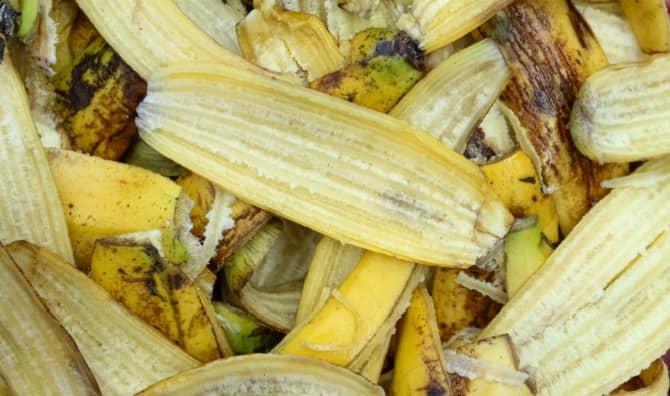
Banana Peels Make an Excellent Natural Fertilizer
From baby food to ice cream sundaes, bananas are one of the most popular fruits in the world. Now, however, a new survey shows that the part most people throw out — the peel — might just be a powerhouse fertilizer.
A survey study, published in Agriculture, led by Nokuthula Khanyile of the University of Mpumalanga in South Africa, and overviewed over 120 studies on the use of banana peels as fertilizer. A definite trend emerged: when used as fertilizer, this organic waste gives a huge boost to all sorts of plants.
116 Tons Annually
Earth.com reports, bananas are an incredibly popular fruit. Global production is around 116 tons annually, which is a lot of bananas. Most people tend to throw banana peels out, but as it turns out, they have a use — and that use is helping other plants grow.
Bananas are high in three macronutrients that plants require to thrive — potassium, nitrogen, and magnesium. In fact, those are the primary elements contained in commercial fertilizer used by farmers. So it is no surprise that the survey showed that fertilizers based on bananas yielded plants that were taller, leafier, and germinated faster than plants that were grown without banana peel fertilizers.
Sun-dried, Ground, Fermented
The methods used in the various studies surveyed to turn banana peels into fertilizer were many, according to Optimist Daily In some studies, the peels were turned into a slurry of banana peels and a few additives. Other studies sun-dried the peels and then ground them into a powder that could be mixed in with soil. In yet another study, the peels were slowly fermented with coffee grounds, which makes it possible for nutrients to be released into the ground at a slightly slower rate.
All of these showed promise. The only method used that did not prove to be useful was turning the banana peels into biochar — a charcoal like powder made from heating organic waste. It did not seem to aid plant growth.
Modern farming relies heavily on commercial fertilizers which are made in fossil fuel burning factories. In addition, nitrogen run-off from these fertilizers pollutes water and creates algae blooms which are detrimental to aquatic ecosystems.
Banana peels, on the other hand, are a natural waste product. They do not need fossil fuels to be produced, and they release nutrients at a much slower rate than commercial fertilizers, which means there is the potential for less run-off and less pollution. Anyway you look at it, using banana peel based fertilizers is a win-win.