


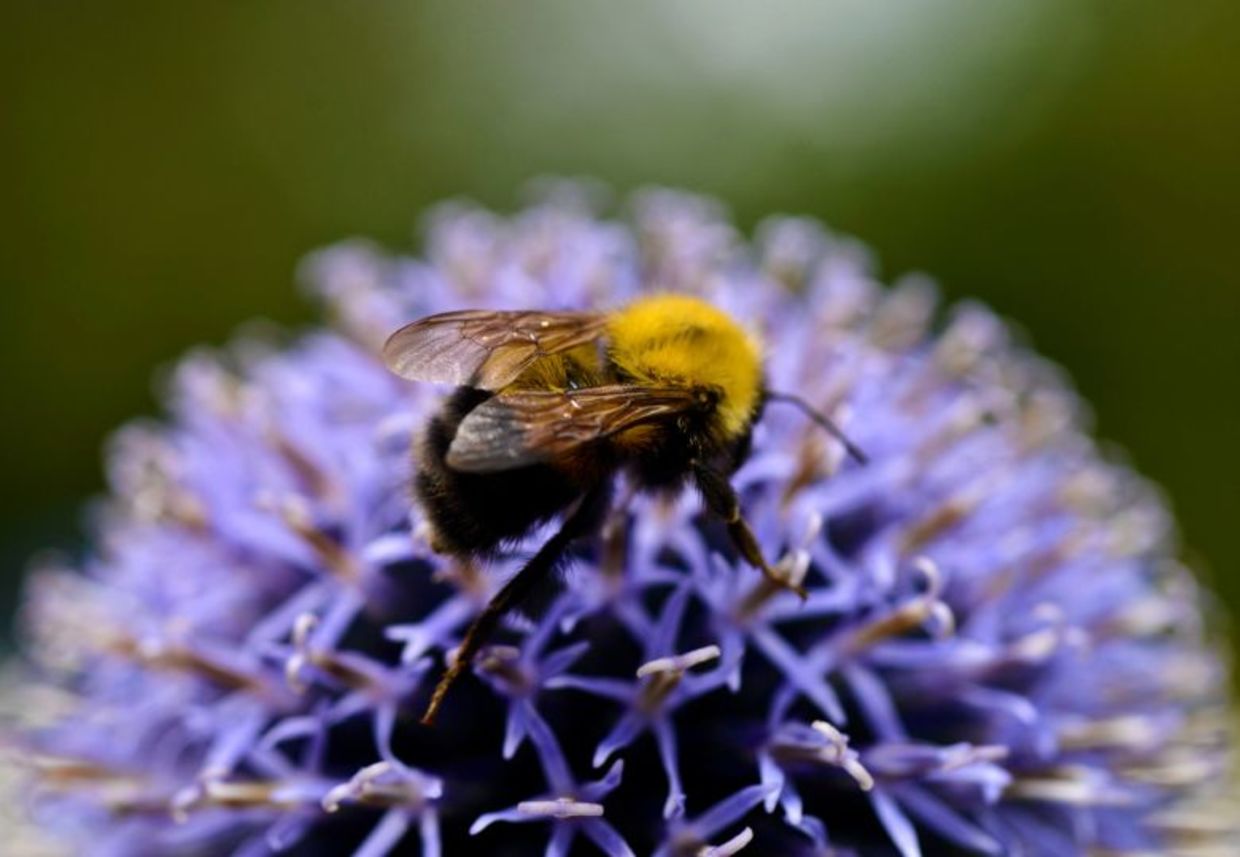
(Made in November / Shutterstock.com)
Researchers in Peru have long been campaigning for legal rights for local Amazonian stingless bees, and have recently achieved success in two Peruvian regions, as My Modern Met reports.
In late 2025 and early 2026, two municipalities in the Peruvian Amazon, Satipo, and Acharon, granted legal rights to native stingless bees. The aim was to protect a disappearing species that is seen as crucial to the health and regeneration of the rainforest.
View this post on Instagram
Protecting the Pollinators!
The valued role that bees play as pollinators, helping maintain ecosystems and contributing directly to food security, as UNEP explains, is becoming much more widely known.
Globally, there are about 600 documented species of stingless bees. These bees do have stingers, but not ones that are designed for defence. In Peru, there are at least 175 species. This, as Dr. Rosa Vásquez Espinoza, founder of Amazon Research Internacional, points out, positions Peru as a biodiversity hotspot for these bees.
While these local stingless bees, as People reports, are seen as responsible for keeping the Amazon’s ecosystem pollinated, scientists also believe that this rare species can produce honey with medicinal properties. “Stingless bee honey has a long history of traditional use in medicine, food, relation and cultural activities worldwide, ” says Espinoza. In her region, the Peruvian Amazon, indigenous and non-indigenous communities have used this honey for centuries to treat assorted illnesses.
Local and global conservationists hope that these new ordinances will create a ripple effect, driving other countries to protect their own vital and vulnerable bee species.
A ‘Beetiful’ Collaboration!
This campaign has been led by two South American women. The above-mentioned Dr. Rosa Vásquez Espinoza, a chemical biologist, and Constanza Prieto, Latin American director at the Earth Law Center, a nonprofit with a mission of “Giving Nature a Voice in the Legal System.”
View this post on Instagram
Both women have been working together to ensure stingless bees in the Amazon have the right to exist, according to CNN.
“Efficient pollinators” as Espinoza calls them, need well-planned protection strategies. Accordingly, the founders have employed smart thinking in their campaigning, including an emphasis on working closely with indigenous people.
These passionate stingless bee defenders helped secure these new laws in two Peruvian regions to protect bees and safeguard their growth for generations to come. This means that these insects can be legally represented by humans in court for their right to live free from threats like habitat loss, “killer bees”, deforestation, and pesticides.
Prieto tells People that she sees the new bee protection laws as a turning point in Brazilians’ relationship with nature. Significantly, “It makes stingless bees visible, recognises them as rights-bearing subjects, and affirms their essential role in preserving ecosystems, ” she explains.
On her instagram account, Espinoza salutes the legal victories and indigenous involvement achieved so far: “Celebrating the recognition is a reminder that rigorous science and world-class conservation in the Amazon can - and must - be Indigenous-led. “
She hopes that in the next few years, indigenous people will be fully involved in steering bee conservation for the benefit of the region, “That Indigenous leadership in science becomes the norm. That our native youth dream as high as the stars - and bring their talent, intelligence, and light to protect and regenerate the extraordinary, one-of-a-kind rainforest we call home.”
YOU MIGHT ALSO LIKE:
Meet the ‘Tech Fairy’ Refurbishing Laptops for People in Need
Could Plastic Waste Become History?
This Scottish Couple Runs a Hedgehog Hospital From Home!