


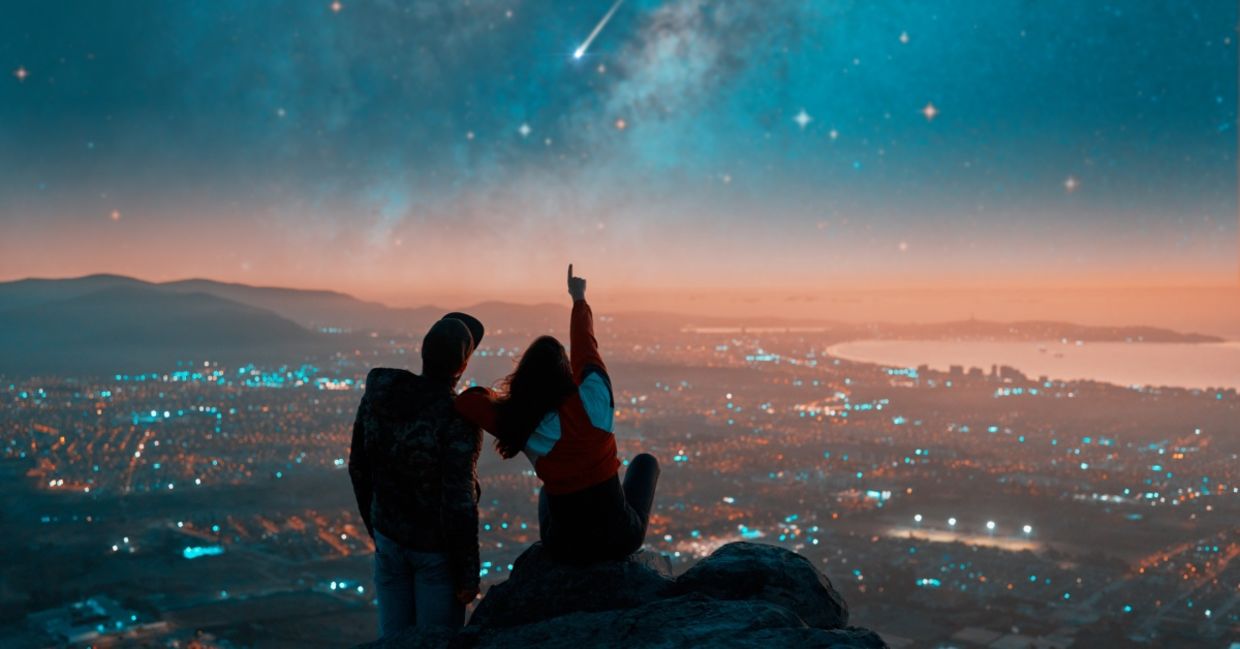
(oscargutzo / Shutterstock.com)
The fall of 2025 has been a season that has been full of celestial activity and November is no exception. From awe inspiring comets to supermoons, star gazers have reasons to celebrate.
Many of these cosmic happenings can be seen by the naked eye and are visible in the Northern hemisphere, according to Universe Magazine. Others may require telescopes. But one thing is certain, you can look toward the night skies and find inspiration throughout the month.
Largest Supermoon of 2025
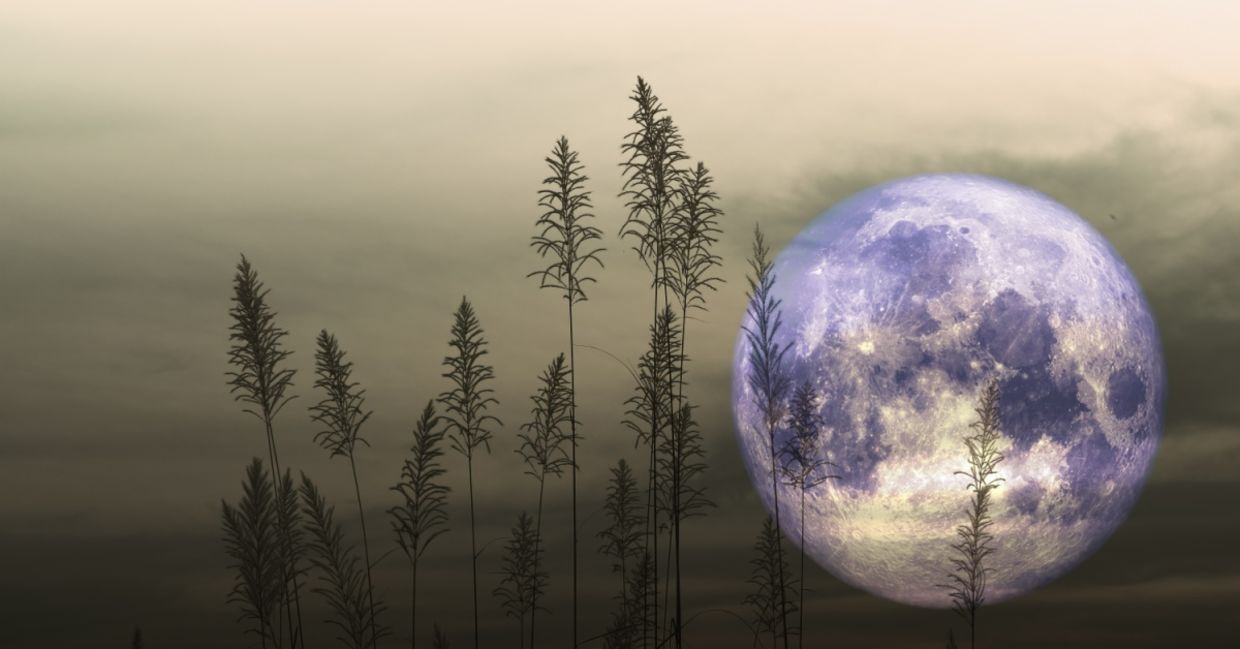
The Beaver Moon – the name originates from native American culture – is the largest supermoon of 2025, reported the BBC, and will occur on November 5. Supermoons occur when the moon is at its closest point to the Earth in its orbit. This makes it appear 30 percent bigger and 15 percent brighter than a regular full moon. The Beaver Moon will be visible to the naked eye, but you can also use binoculars or a telescope.
(Darkfoxelixir / Shutterstock.com)
Meteor Showers
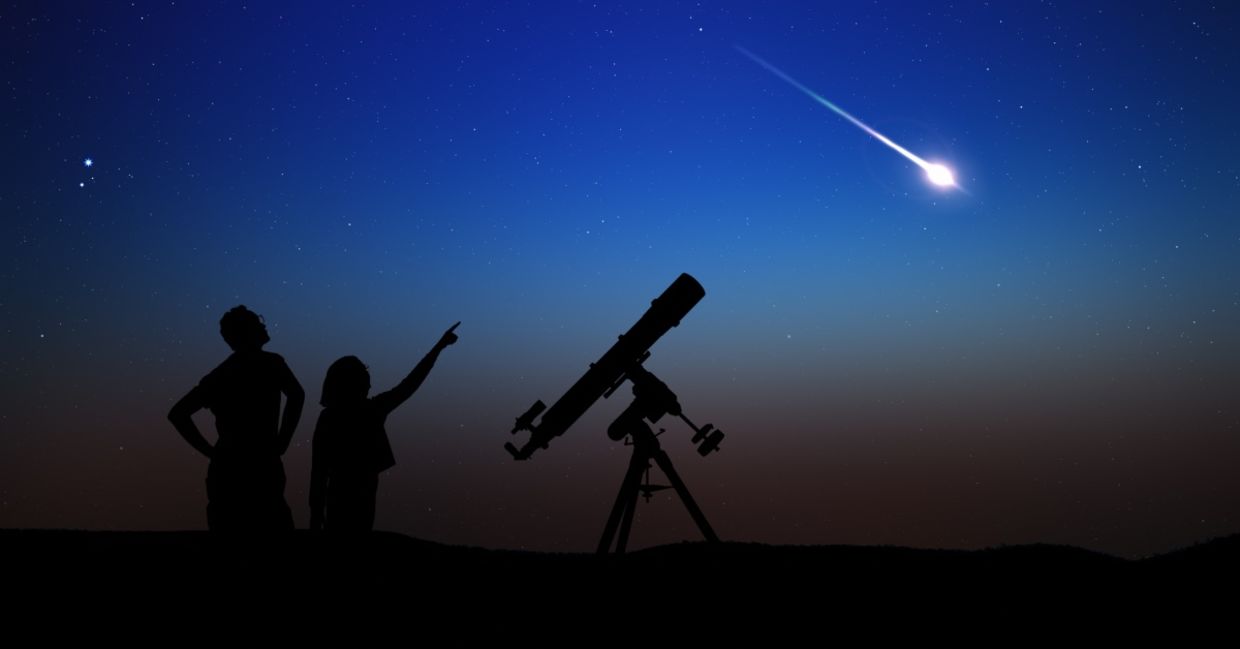
Meteor showers abound in November and there are five during the month, although you may only see a few shooting stars when viewing. A meteor shower occurs when the Earth passes through debris left by an asteroid or a comet. Three of the meteor showers are at their peak and those should not be missed, according to the Star Walk 2 App’s Astronomy Calendar.
The Southern Taurid meteor shower – one of two branches – is at its peak on the night of November 4 and 5 but that is also the full moon, so it is preferable to wait a few days for better viewing. There are five to 10 meteors per hour, and it is visible everywhere.
The Northern Taurid meteor shower will peak on November 11 and 12 but it is quite weak and only produces up to 5 meteors per hour. It will be visible everywhere.
The Leonids produce the most spectacular meteor storms, while some have produced several per second; the usual is 10 to 15 an hour. The Leonids will peak on November 17 to 18 but that is close to the new moon so there may be some light interference. The Leonoids are most visible after midnight and can be seen from everywhere.
(AstroStar / Shutterstock.com)
Conjunctions
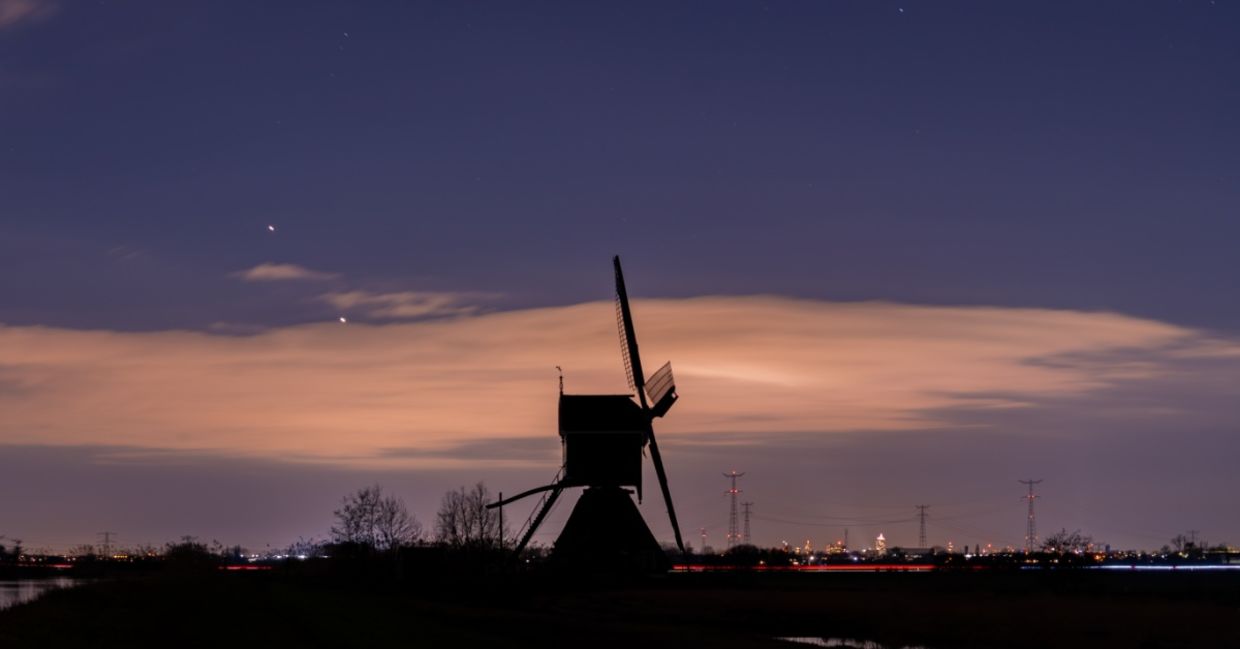
Meteor showers and full moons are not the only interesting celestial happenings in November according to Universe Magazine. Just before sunrise, you will be able to view Venus behind the horizon, but Jupiter will dominate the pre-dawn sky until November 11 when it begins its retrograde.
But Saturn is the star of all the planets this month. The planet's rings will be visible in Europe and the US almost edge on and at the same time a rare series of the planet’s moon Titan will transits Saturn’s disk on November 22 and the rings will almost completely close on November 22.
(Christian Badescu / Shutterstock.com)
Aurora Borealis
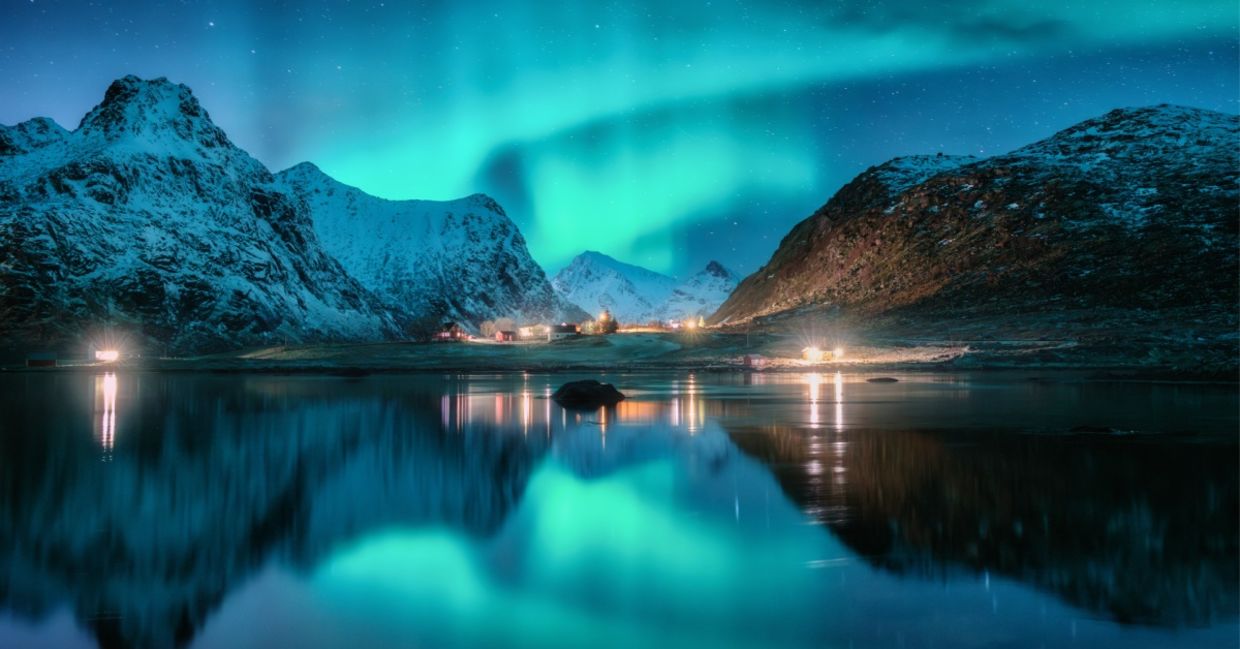
The Aurora Borealis or Northern Lights, those beautiful multi-colored light displays are caused by charged particles from the sun colliding with gasses in the Earth’s atmosphere around the poles, reported the BBC. Since the Sun’s cycle of activity peaks in 2025 there could be many more sightings this year. It’s best to view this awe-inspiring display on dark and clear nights.
(Denis Belitsky / Shutterstock.com)