


(Brian E Kushner / Shutterstock.com)
Football is America’s favorite sport and while games are televised, there is nothing better than going to the stadium. Hearing the roar of the crowds and partaking in stadium food is all part of the allure.
But sports stadiums use a lot of energy, water, and produce a lot of waste but that is changing, and some NFL teams are leading the way by going green, reported AP News. From solar panels to composting and recycling, sustainability is the new goal post.
Green Stadiums
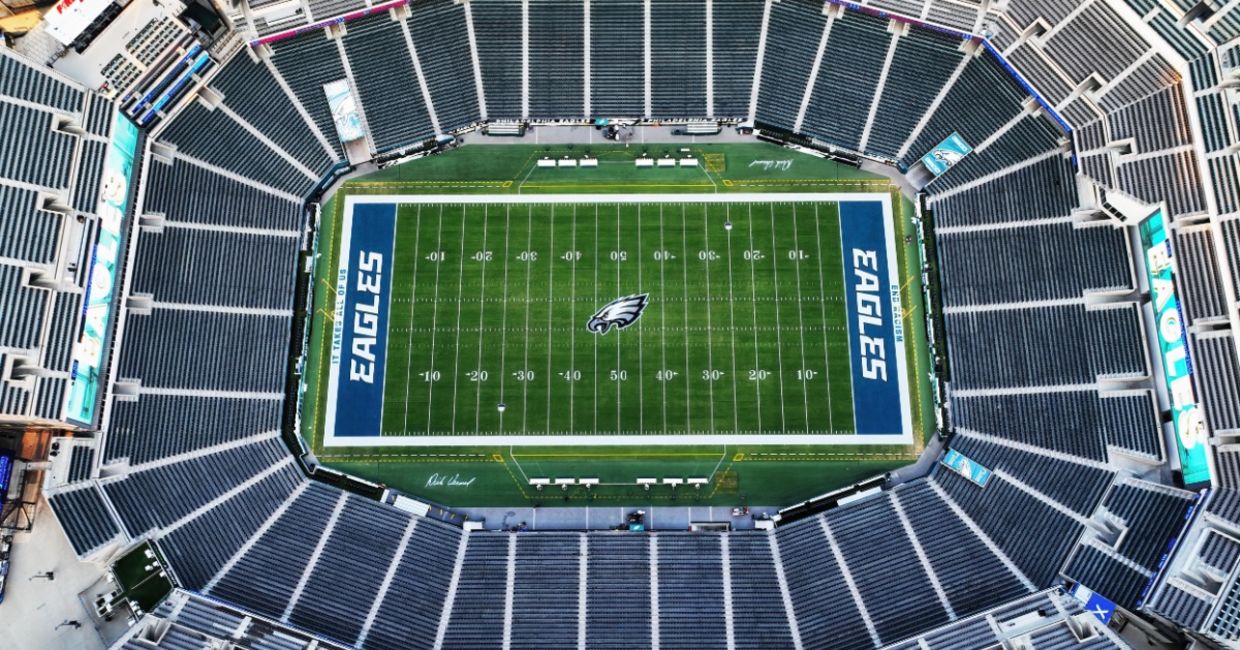
While there are several NFL stadiums including those in Atlanta and Santa Clara, the Lincoln Financial Field in Philadelphia – home of the Eagles – is considered the leader in making the venue sustainable. Solar panels produce 40 percent of the stadium’s energy use and renewable energy credits offset the rest.
The Mercedes-Benz Stadium in Atlanta – home of the Falcons – became the first professional sports stadium to receive a Total Resource Use and Efficiency Platinum certification. The stadium diverts 90 percent of its waste from going into landfills.
The Atlanta stadium collects rainwater to use for irrigation, 4,000 solar panels, and has a garden that grows fruits and vegetables that are used by the culinary team.
Fans that are spotted recycling get a chance to be featured on the stadium’s video board and the opportunity to win a signed jersey.
NFL Green, the football league's sustainability program, is working to green events like the Super Bowl, by running food recovery, material recovery, recycling, and community greening projects.
“Our hope is that our efforts will inspire our fans to do the same and take some of their own actions. If we all did something, I think it’d make a big difference,” Norman Vossschulte, the Eagles’ vice president of fan experience and sustainability told AP.
Is it Making a Difference?
Football is not the only professional sport working on making their homes more sustainable, according to TIME. The Seattle Kraken hockey team’s stadium earned the title of the world’s first net-zero stadium in 2024.
National Park in Washington DC, home to the Washington Nationals baseball team was in fact the first stadium to receive LEED certification in 2008 and since then over 50 stadiums in the US have also received the environmental certification.
Rhiannon Jacobsen, a managing director at the US Green Building Council told TIME that sports venues are more forward thinking when it comes to sustainability than commercial real estate. That’s because there is more visibility due to the use of public funds to make the stadiums future proof.
While sports stadiums are going greener there are still issues in professional sports not addressed like travel-related emissions or the costs of building new stadiums. However, the green stadiums could play a symbolic role in getting people to be aware of environmental issues, according to Rob Wilby, professor of hydroclimatic modeling at Loughborough University.
He conceded: “But when you then consider the power of sports to potentially influence behaviors, and then you scale it up across a whole at-home spectator group, then maybe if you change the behaviors of a small percentage of that mass audience, you’re having a more profound impact.”
YOU MIGHT ALSO LIKE:
College Student Gives His Full Football Scholarship to Friend
Meet the First Carbon Neutral, Sustainable and Vegan Soccer Team
Professional Basketball Star’s Journey From Athlete to Humanitarian