


(Alexanderstock23 / Shutterstock.com)
Pay as you throw programs are gaining popularity around the globe. This is a way to incentivize recycling more, composting more, and cutting down on household and business waste.
In fact, over 7,000 cities in the US have incorporated pay as you throw programs, reported The Conversation, including Seattle, Washington, Austin, Texas, and Berkley, California but these systems have been around for decades internationally and are working. That’s because when people start paying directly for waste services, they usually reduce the amount of garbage they throw away.
How Does it Work?
Some of these programs have been around for 30 years but many are relatively new, according to Reasons to be Cheerful. In some places the amount of household waste has reduced by a full 30 percent.
In South Korea, 95 percent of all food waste and 86 percent of all garbage is recycled. People buy color-coded bags from local stores to separate their waste. In urban areas, people can place their garbage in vending machines that charge by weight.
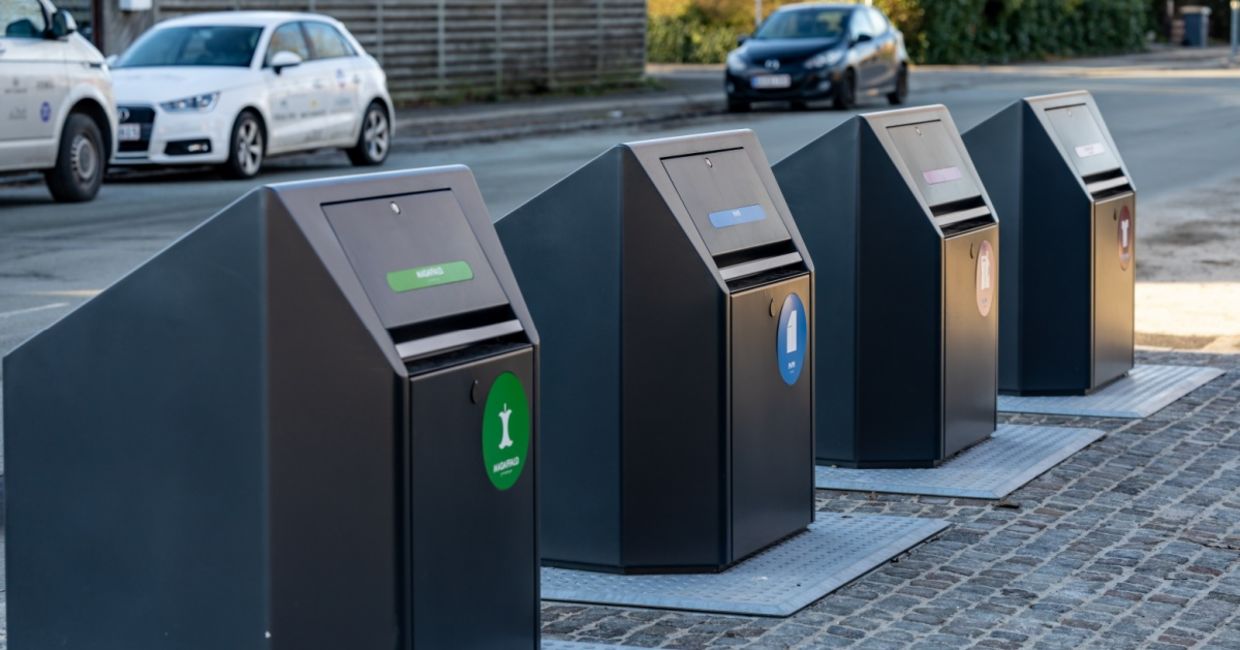
Bergen, Norway has one of the most innovative forms of waste management. In 2016, the standard truck-based garbage collection was replaced by network of underground tunnels. The residents of the city are issued a key fob to open the collection hatches. The first eight times a month are free.
In 2022, after six years, Bergen had a nine percent decrease in trash and a 28 percent increase in collecting plastic to be recycled.
Carrot, the software company behind Bergen’s system, has now expanded to retail and office buildings. Tine Charlotte Holm, chief operating officer at Carrot, told Reasons to be Cheerful that these locations have been notorious for not recycling or reducing waste. .
Why is it Working so Well?
The key is that you pay for the service you use. The more you pay, the less garbage you will produce.
“Financial incentives are more powerful than your own conscience. But the magic happens when you can align financial incentives with sustainable choices, and that’s when we will actually manage to change behavior the way we want,” Holm said.
It may start out as a way to just pay less, but it could also change the values and culture. But even if it doesn’t, if behavior changes, it really doesn’t matter.
How the world manages waste can have a large impact on the environment, stressed The Conversation, especially since landfills or incinerating trash generate pollution and greenhouse gasses. Reducing both is good for people and the planet.
YOU MIGHT ALSO LIKE:
This City is Rocking Composting
Taking Out the Trash in the UK
South Korea is Putting Food Scraps to Good Use