

(Nigel Jarvis / Shutterstock.com)
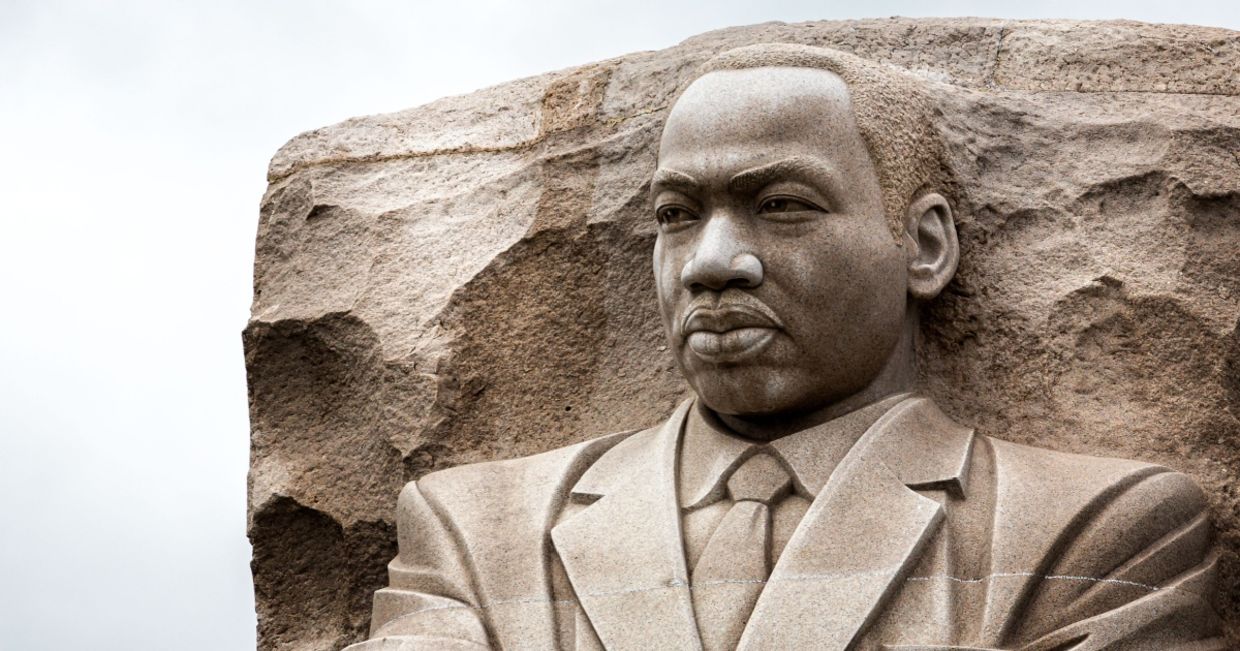
Every January, Americans have the opportunity to honor Dr Martin Luther King Jr, around the day of his birth. It is a chance to reflect on his life, give service to communities, and to remember the man who changed the course of history. In 2026 MLK’s birthday is commemorated on January 19.
All around the country, according to AzatTV, there are a myriad of events like free museum days, concerts, lectures, and volunteer activities to remember King's legacy as a civil rights leader. It is a way to honor the man and the dream.
Remembering the Man
Reverend King was born on January 15, 1929, the Almanac reported. He was a Baptist minister and a civil rights leader that advocated for equality and justice from the 1950s until his assassination in1968. He championed change through nonviolent ways.
King graduated high school at 15, graduated from Morehouse College, studied theology at Crozer Theological Seminary, and completed graduate studies at Boston University with a PhD in 1955. In Boston he met and married Coretta Scott. In 1954, King became the pastor of a church in Montgomery, Alabama and later at Ebenezer Baptist church in Atlanta, Georgia.
King began his struggle for civil rights for Black Americans to end segregated bussing through nonviolent means in 1955, but racists in the south answered peaceful protest with violence. But he continued to believe that the way to enact change was through nonviolence. MLK won the Nobel Peace Prize when he was just 35, for his peaceful civil rights work and donated the prize money to the civil rights movement.
Remembering the Dream
On August 28, 1963, History.com reported, King directed the March on Washington DC. At least 250,000 demonstrators, and the leaders of the “Big Six” civil rights organizations, joined the mile-long march from the Washington Monument to the Lincoln Memorial (honoring the president who issued the Emancipation Proclamation a century earlier). King gave his moving and memorable “I Have a Dream” speech on the steps of the Lincoln Memorial.
The goal of the march was to advocate for desegregated public spaces, to demand the end to violations of constitutional rights, and worker training. The crowds exceeded all expectations.
This most memorable speech in King’s career incorporated successful elements of previous speeches but he didn’t write it until he arrived at his hotel the night before. The dream section was not part of what he wrote. Around halfway through, gospel singer Mahalia Jackson told him: “Tell 'em About the Dream, Martin.”
He began repeating: “I have a dream” offering up the dream for the future that: “my four little children will one day live in a nation where they will not be judged by the color of their skin but by the content of their character.”
He concluded saying: “and when we allow freedom ring, when we let it ring from every village and every hamlet, from every state and every city, we will be able to speed up that day when all of God’s children, Black men and white men, Jews and Gentiles, Protestants and Catholics, will be able to join hands and sing in the words of the old Negro spiritual: ‘Free at last! Free at last! Thank God Almighty, we are free at last!'”
You can read the entire transcript of the speech from NPR. You can listen to parts of this mesmerizing speech on this Facebook post.
These words still ring true today. While MLK didn’t live to see all the fruits of his labor, his dream continues to inspire the hope that all Americans will join hands together and celebrate equality and justice, but most of all freedom
YOU MIGHT ALSO LIKE:
7 Movies That Remember the Dream
5 Ways to Commemorate Martin Luther King Jr's Legacy
How to Celebrate Black History With Your Children