


(Mang Nono / Shutterstock.com)
Modern medicine is looking towards nature to find new ways of treating diseases. Historically, plants have been used for healing since ancient times. Now scientists are looking at why some plants have medicinal uses.
Researchers from the University of British Columbia, Okanagan – a Canadian university founded in partnership with indigenous tribes – have discovered how plants produce mitraphylline, a rare plant compound that contains anti-tumor properties, according to a media release from the University. This may help to fight cancer.
Mitraphylline belongs to a small group of molecules that are called spirooxindole alkaloids. These molecules have a twisted ring structure and can fight cancer tumors but the process that plants use to make them had not been discovered until now.
“This is similar to finding the missing links in an assembly line,” Dr. Thu-Thuy Dang, UBC Okanagan principal’s research chair in Natural Products Biotechnology, said in the media release. “It answers a long-standing question about how nature builds these complex molecules and gives us a new way to replicate that process.”
New Discovery
In 2023, Dang and her team at UBC Okanagan discovered the first plant enzyme that is able to twist a molecule into the spirooxindole shapes, reported MSN. PhD student Tuan-Anh Nguyen conducted further research and found that two enzymes participate in the process. One sets up the molecule’s configuration and the other twists it into mitraphylline. The research was recently published in The Plant Cell.
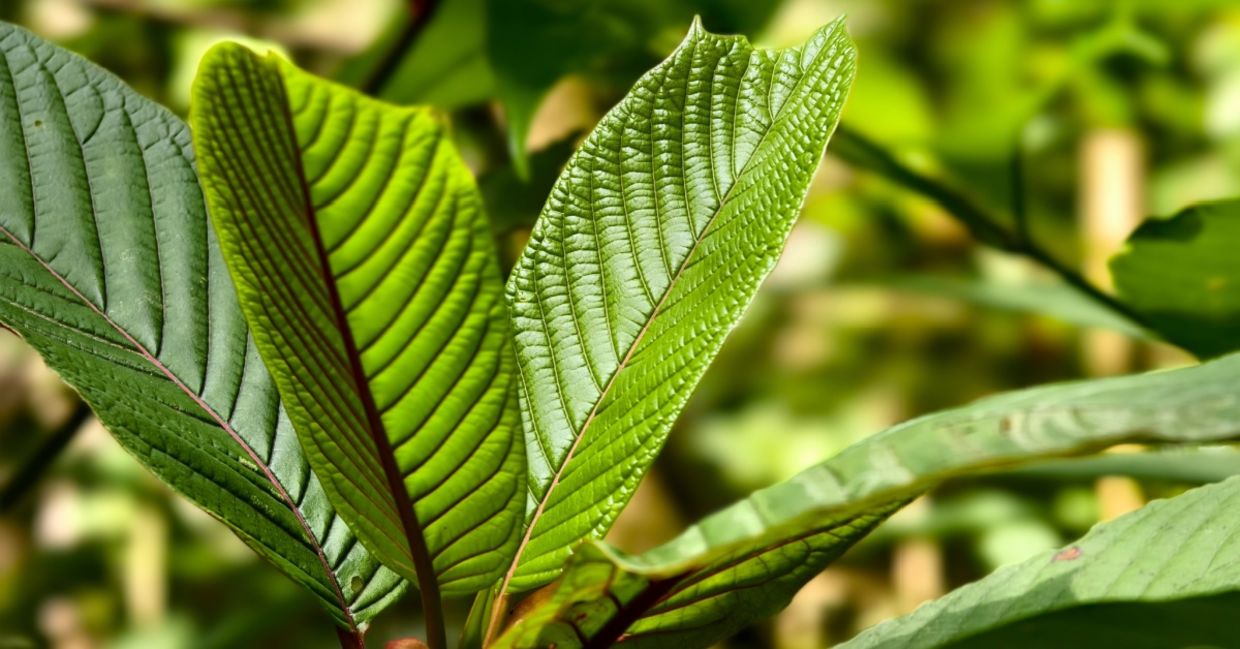
This discovery was not easy to find. That’s because mitraphylline is only found in a small amount of tropical trees like kratom and cat’s claw which are part of the coffee family. This makes it very expensive to use in a lab.
Moving Forward
But now that researchers have discovered these enzymes, they have a method to produce them in a more sustainable and cost-effective way, according to the media release. This will also allow them to move forward.
“With this discovery, we have a green chemistry approach to accessing compounds with enormous pharmaceutical value,” Nguyen said in the media release. “This is a result of UBC Okanagan’s research environment, where students and faculty work closely to solve problems with global reach.
Calling plants natural chemists, Dang said, “Our next steps will focus on adapting their molecular tools to create a wider range of therapeutic compounds.” Besides a potential way to fight cancer, plant compounds may be the future of modern medicine.
YOU MIGHT ALSO LIKE:
A Common Weed May Be a New Breast Cancer Treatment
Israeli MedTech Could Help Detect Cancer With a Simple Blood Test
Israeli Start-Up is Using Nanoparticles to Fight Cancer That has Metastasized