

(Purple Moon / Shutterstock.com)
There’s a reason that crafting is so popular. It provides an easy way to slow down and focus on making something by hand. Art allows people the opportunity, while unplugging, to express their creative spirits.
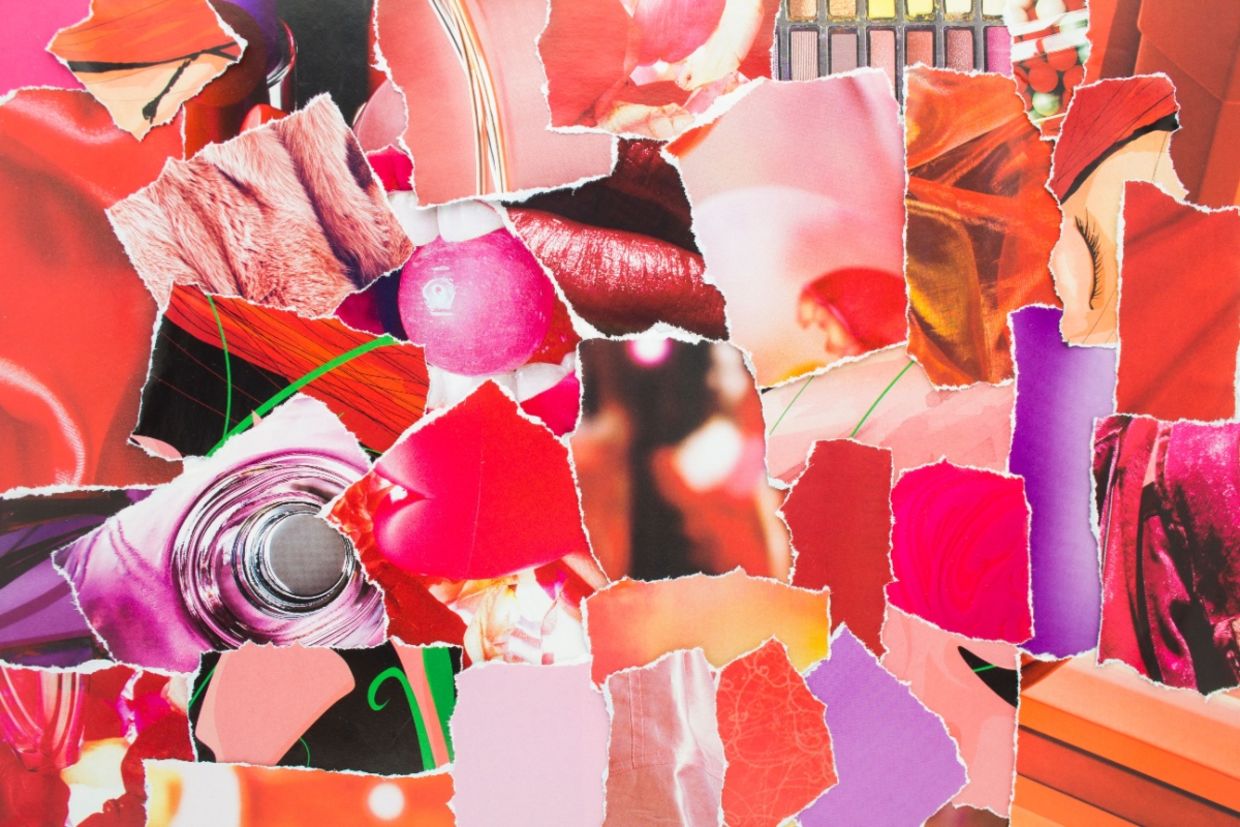
Magazine collaging is a great example of a crafting hobby that is making a big comeback, reports Better Homes & Gardens. This art form, which consists of cutting content out of magazines and arranging them onto a paper, is relaxing, fun, and lets you create beauty from simple scraps.
View this post on Instagram
Collaging is for Everyone
One of the biggest appeals of magazine collaging is how easy it is to get started. Unlike other hobbies that require expensive supplies or formal training, you can start collaging with just a magazine, a gluestick, and a pair of scissors.
“One of the things I love most about magazine collaging,” professional collage artist Alison Drewett tells Better Homes & Gardens, “is how accessible it is. You really don’t need to splurge at the local art shop or have a fully stocked studio to get started. It’s an art form you can easily dip in and out of with minimal effort.”
Choosing Your Supplies
Drewett explains that you can decide how much you want to invest in your collaging hobby, for example switching up dollar store glue with its high-quality matte counterpart, or investing in a heavy roller for smoothing out the piece.
Magazines are obviously essential supplies for this hobby. But, if you don’t have an active subscription, you can often find free or cheap samples at thrift stores or on local, neighborhood groups. Another option is to repurpose junk mail, stamps, and even packaging. Drewett shares that, “These can add a personal touch and unique character to your work.”
Getting Started
Once you have all your supplies ready to go, it’s time to start cutting and gluing. Domino lists the steps for crafting an organized and aesthetic collage piece. Start by gathering the materials and magazines you need to get started. The next step, before uncapping the gluestick, is to cut out all the items that catch your interest.
After cutting out all the material, map everything out on your canvas. This is a fluid process and you might move things around several times or even move a piece intended for one collage to a second one at this point. Collage artist, Maria Rivans tells domino that, “I revisit the work time and time again, and I move things around.”
View this post on Instagram
Finally, when everything is planned to perfection, it’s time to uncap the glue and paste everything to the page. This may take a little trial and error to ensure that everything sticks without using too much paste, but Rivans encourages aspiring collagists not to get disheartened. “Just have fun with it,” she says. “I always say: Make from your heart and enjoy yourself.”
Consider a Theme
When selecting and mapping out your collage components, consider organizing it around a specific theme or central idea, according to Better Homes & Gardens . This can be something visual or it can be a specific message that you want your collage to exhibit.
Drewett shares with Better Homes & Gardens that, “We explore all sorts of themes—sometimes we focus on florals for a bit of aesthetic fun, and other times we tackle more thought-provoking topics like political issues."
“We also take inspiration from art history,” she adds. “Trying to recreate the techniques of the greats through collage.”
At the end of the day, magazine collaging is less about perfection and more about enjoying the act of making and about self-expression. The beauty of this hobby is that anyone can sit down and create something personal, expressive, and entirely their own with just a handful of supplies and an active imagination.
YOU MIGHT ALSO LIKE:
Let Go Through Somatic Art
Turning Vision Boards Into Reality
How Arts and Crafts Could Boost Your Happiness