

(vetre / Shutterstock.com)
A powerful force is working quietly beneath the surface. Right under your feet, one natural network may play a role in sustaining life on Earth.
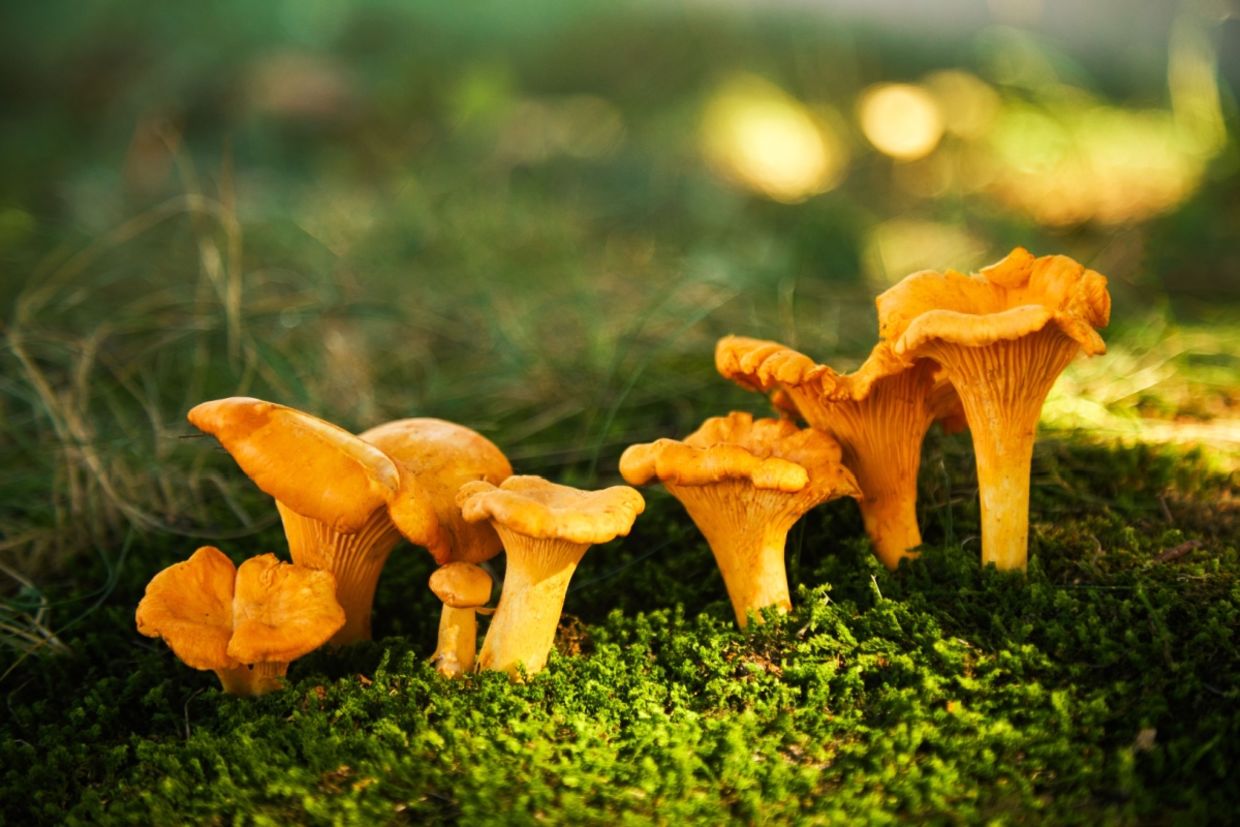
Fungal networks support plant health, store carbon, cycle nutrients, and build soil, The Guardian reports. When these networks are flourishing, forests regenerate, crops thrive, and ecosystems become resilient. Scientists are now highlighting the importance of protecting these underground systems.
“If we have healthy fungal networks, then we will have greater agricultural productivity, bigger and beautiful flowers, and can protect plants against pathogens,” Dr. Toby Kiers, the executive director of the Society for the Protection of Underground Networks (SPUN), tells The Guardian.
Fungi Networks as Master Engineers
These fungi do more than just help gardens grow; they provide the infrastructure for entire habitats to thrive. In fact, they are master engineers, making soil and regulating the climate, according to Mongabay. The fungi live on the roots of plants and take nitrogen, water, and phosphorus from the soil for the plants. In return, the plants feed carbon dioxide to the fungi. More than 13 billion metric tons are transferred into the fungal networks, making them an essential tool for carbon sequestration.
Soil systems that depend on these networks store about 75 percent of terrestrial carbon and contain 59 percent of the Earth's biodiversity. As a result, much of the world's life exists beneath the surface.
Making the Invisible Visible
Despite this massive impact, fungi have been the underdogs of the conservation world. Invisible to the naked eye, they often fail to capture the same attention as other types of biodiversity.
A new wave of researchers is rising to meet this challenge. They have created a high-resolution global biodiversity map called the Underground Atlas, published by SPUN. This atlas lists biodiversity richness hotspots across the globe. Since more than 90 percent of these biodiversity hotspots remain unprotected, scientists hope that global awareness will lead to better conservation.
Researchers are working hard to bring the invisible into the spotlight. Kiers was recently named the 2026 laureate of the Tyler Prize for Environmental Achievement for research about how these networks sustain life on Earth, according to Euronews.
This prize is called the “Nobel Prize” for climate science. Working in the lab, Kiers’ team found that fungi move phosphorus, an essential mineral, from places of abundance to places of lack, soaking up even more carbon.
“My job was just to become an Underground Astronaut, pull together a network of fungal-forward scientists, put on a jumpsuit and work with local collaborators around the world to start exploring,” Kiers tells Euronews.
Flipping the Perspective on Fungi Networks
Kiers and those behind SPUN are helping educate people to change how they view the ground they walk on. For some, Earth may be viewed as mere dirt rather than a living ecosystem where life begins. As scientists try to flip this perspective, they are also urging conservation groups and policymakers to learn which hotspots need protection, explains The Guardian.
These underground fungi may hold a key to the future of our planet. Protecting them can help ensure they continue to support the climate. The path forward leads downward through the soil.
YOU MIGHT ALSO LIKE:
Explore the Amazing Social Networks of Trees
6 Mighty Mushroom Benefits
New Study Suggests Mushrooms Can Talk!