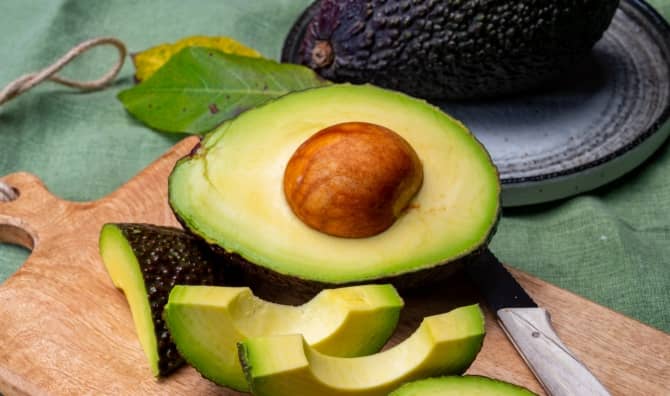
What the Color of Your Avocado Tells You About its Health Benefits
Avocados are superfoods that are incredibly good for you. Nutritious and versatile, avocados have become a food staple around the globe. The most popular variety in the US is the Hass avocado.
The fruits are full of important vitamins, minerals – especially potassium –, antioxidants, and fiber that are essential for your body to function correctly, according to Healthline. Avocados contain properties for your heart health, gut health, and immune system. But how many benefits depends on what color your avocado is.
Why Ripeness Matters
Many people judge an avocados ripeness by just the squeeze method HuffPost reported. If it’s too firm, it stays in the store and if it is too soft, it ends up in the trash. The window of usefulness is very small.
But besides the taste and texture, how ripe your avocado is shapes how your body digests it, uses nutrients and benefits from it. That’s because as the fruit ripens, its chemistry changes.
When an avocado ripens, “There is a shift in the nutritional structure and absorption,” Dr. Parth Bhavsar, a board-certified family medicine physician who specializes in nutrition, told HuffPost. Ripeness affects the lipid content, carbohydrate composition, and plant compounds it contains.
Color and Ripeness
But what does this have to do with color? Actually, a lot. Avocados change color as they ripen and this is especially evident with the Hass variety. In fact, according to Real Simple, there are five stages of avocado ripeness associated with five different colors.
Unripe: Avocados that are not ripe are yellow-green and very firm. The flesh is hard and cannot be cut or mashed. You do not want to eat these avocados, and they have little or no nutritional value.
Breaking: At this stage, the skin darkens and has hints of grayish olive green, but the fruit is still firm. While biochemical changes are occurring, the flesh of the fruit is still too firm to use. But it is getting closer.
Just Ripe: This is the first ripe state when people can start consuming the avocado. Purple has begun to appear on the skin, and the fruit is getting softer and can be sliced but not mashed. “These avocados are higher in resistant starch, which feeds your gut bacteria and helps with blood sugar balance,” Bess Berger, RDN registered dietitian and founder of Nutrition by Bess, told Real Simple.
Fully Ripe: Finally, the avocado has reached the fully ripe stage that most people look for. The skin is purple, the stem is dry, and the squeeze test is accurate. “This stage is represented by a rich and creamy texture and has nutrients that are at their peak bioavailability for the body,” explains Dani Dominguez, MS, RDN, registered dietitian nutritionist, and founder of SunBright Wellness. But use it now in smashes, salads, and guacamole; because it gets over ripe very quickly.
Overripe: The dreaded overripe stage could show mold spots near the stem and brown spots on the peel. In addition, the flesh starts to separate from the peel. The texture is super soft but if the flesh has not turned brown and there are no obvious mold spots, you can still benefit from the fruit’s antioxidants, fiber, and healthy fats. Use it in a smoothie to reap the benefits.
Whether you keep it simple or enjoy experimenting with your avocado, it is a delicious way to get the nutrients your body needs.