A Giant Step Forward For Indonesia’s Elephants
There’s good news for Bali Zoo’s elephants! In line with a more ethical outlook on the treatment and protection of these majestic creatures in Indonesia, the visitor attraction completely halted its elephant rides on January 1 2026, as Perth Now reports.
This is a development warmly welcomed by animal welfare campaigning groups, who had been pressurizing the zoo to stop offering interactive activities that exploit animals.
As Emma Kristiana Chandra, the zoo’s public relations head, quoted in Indonesian news platform The Bali Sun outlines, the zoo is home to fourteen critically endangered Sumatran elephants. She explains that the animal attraction is eager to ensure a continuous improvement in its animal handling standards that includes the ending of performances and rides. Instead, it is emphasizing animal care and conservation, while complying with new Forestry Ministry regulations.
The Shifting Indonesian Tourism Context
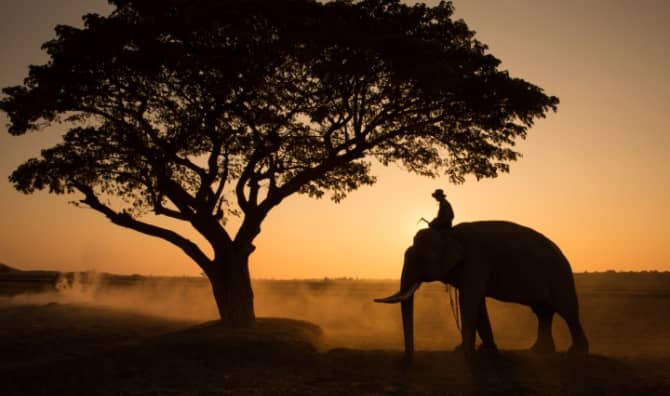
Once, Bali Zoo, the first of its kind on this Indonesian holiday island, was famous for its scenic elephant rides for tourists. It offered elephant rides to visitors for around 150 dollars, giving them access to one of the island’s best elephant trails. Guided by experienced mahouts, (expert carers who work, ride and tend to elephants in South and Southeast Asia), they would be steered, seated on a comfortable bench seat on Sumatran elephants, through a path taking them through nature, including parts of the zoo.
Some of the journey took the elephants through water, with smiling riders taking in the scenic surroundings while perched on benches on the elephants, a feature of earlier publicity. However, the reality for the elephants was different. Alongside the physical strain, and long-term psychological stress the animals suffer, the mahouts have been known to resort to metal bullhooks to control the animals to ensure a smooth ride for tourists.
View this post on Instagram
In January 2026, The Bali Sun reported on a drive to end elephant rides for tourists, which it labeled jumbo news for the island. It sees this push as having been spearheaded by the Bali Province Conservation and Natural Resources Agency which oversees the zoo’s care of the animals. This included a widely distributed letter outlining the termination of elephant-riding demonstrations at conservation institutions. “Elephant management must be civilised, respectful because they are animals, equally created by God,” the agency’s director, Ratna Hendratmoko, told the publication.
Charity Animal Survival International details how Bali Zoo’s decision to end elephant rides was prompted by a December 2025 call from this conservation agency. It asked that attractions show greater respect for elephants, and that they move away from riding activities. Attractions failing to comply risked having their licenses withdrawn. It also details that the decision was supported by the Southeast Asian Zoos and Aquariums Association, which has publicly criticized elephant riding.
A Tourist Attraction That Fell Out of Favor
As part of a sea change in approaches to the use of animals as entertainment, various groups have spotlighted the Bali Zoo’s “unethical” and “cruel” elephant rides in recent decades. These disrupt natural elephant behaviours, socializing, and enrichment in nature, they stress. Campaigning organizations such as PETA and World Animal Protection have blamed Bali Zoo for exploiting and abusing animals.
The zoo’s statement below is revealing. It reflects a u-turn in this tourist attraction’s regard for animals, and a new appreciation of its animal welfare responsibilities that wildlife welfare groups have been highlighting for years.
Significantly, the public perceptions of these rides have changed as animal welfare organizations have successfully rebranded them as abusive to these animals, rather than an entertaining adventure. They are keenly aware that as visitor expectations change, venues that continue to offer elephant rides risk offending community values and responsible tourism standards.
Cynics may say that the reframing of animal attractions as animal friendly is just a mercenary bid to woo eco tourists, but either way, it’s a win-win for animals and tourists.
The new ban shows that the compassion-led work of conservation groups with governments, the tourism industry and the public can help ensure that elephants are no longer exploited for entertainment, and that wildlife-friendly animal tourism can become the norm.
Suzanne Milthorpe, World Animal Protection ANZ head of campaigns, has shared that this move follows years of advocacy by the organization: “The announcement that Bali Zoo is ending elephant riding sends a strong signal to the tourism industry that elephant riding belongs in the history books.”
<iframe src=”https://www.facebook.com/plugins/post.php?href=https%3A%2F%2Fwww.facebook.com%2Fgoodnet.org%2Fposts%2Fpfbid0SsyvFCQBhMr4BrWLxu2eTMjYZs1tY3p1m8zL9MKQyhoQHvqAuFp4LWX9WWNgaVEJl&show_text=true&width=500″ width=”500″ height=”872″ style=”border:none;overflow:hidden” scrolling=”no” frameborder=”0″ allowfullscreen=”true” allow=”autoplay; clipboard-write; encrypted-media; picture-in-picture; web-share”></iframe>