


(monshtein / Shutterstock.com)
Winter is a beautiful time of enchanting snowfall, fresh and cool air, and a slower rhythm to daily life. As temperatures drop, it’s a reminder of the importance of taking care of yourself. All areas in your body need attention, and your eyes are no exception.
Winter often brings drier indoor air, which can contribute to dry eyes. Many people also walk around with dry eyes without even knowing they have it, TIME reports. Thankfully, with a few small changes in your habits and the right daily practices, relief is within reach.
What Causes Dry Eyes?
Dry eyes and dry eye disease can be caused by a variety of factors, including age, wearing contact lenses, and your screen time habits. It can also be brought on by certain medical conditions and even by the weather and climate you live in. Something else that can cause dry eyes is your fluid intake. Drinking water helps keep your body hydrated and gives your eyes the moisture they need.
According to Firstpost, there are many reasons why your eyes can be more prone to dryness during the winter. For example, winter often brings lower humidity levels, increased indoor heating, and more time spent indoors and on screens.
The Symptoms of Dry Eye Disease
So how do you know you might have dry eye disease? Look out for a sandy or gritty feeling in your eyes, or a stinging, scratchy, or burning sensation, according to Harvard Health Publishing. In addition, if your eyes have been feeling tired, more sensitive to light, or extra watery, it may indicate dry eyes as well. It’s important to be aware of symptoms because recognizing there is a problem is often necessary before getting help.
Treating Your Dry Eyes
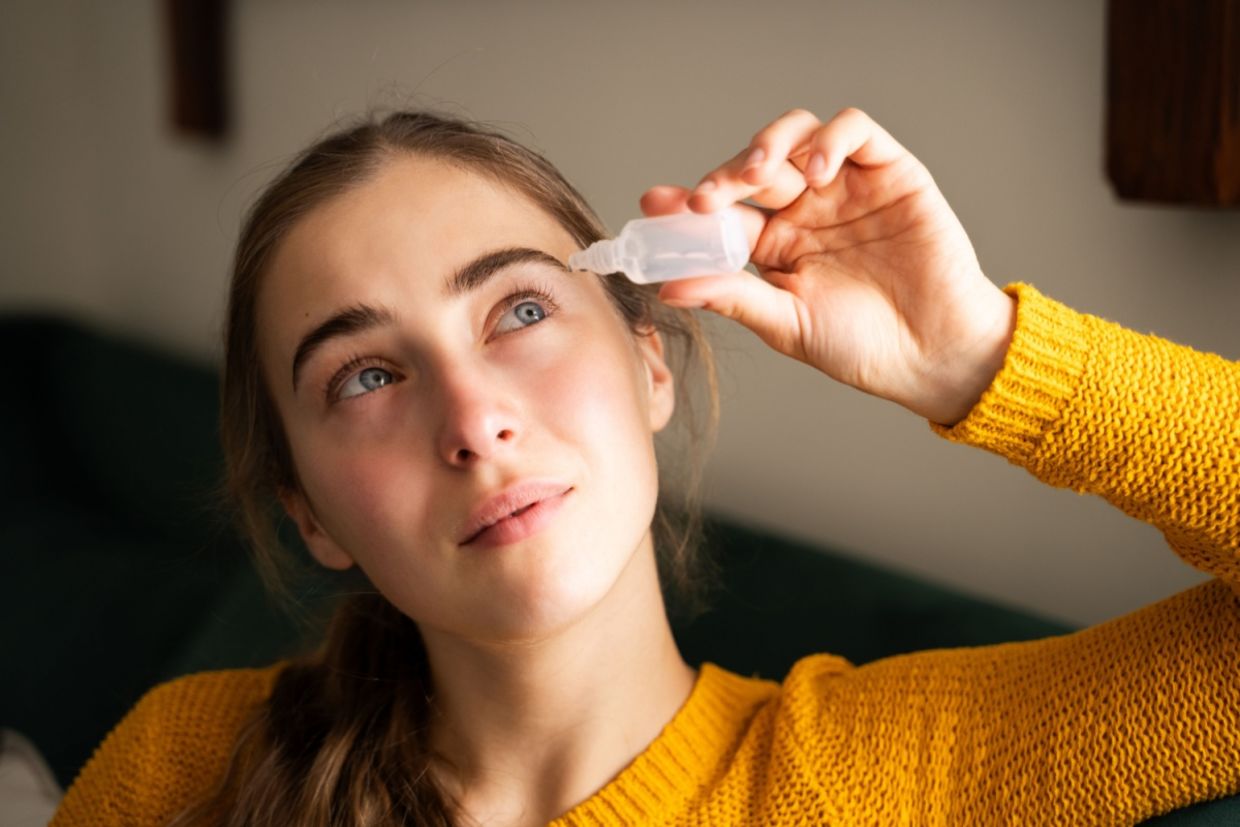
When it comes to caring for your eyes, small steps go a long way. WorldHealth recommends drinking electrolytes when staying hydrated. Using eye drops or lubricants in the evening can be especially helpful for supporting the ocular surface. You can also turn on a humidifier while indoors and put on sunglasses while outdoors.
There are even more steps you can take on your own to reduce discomfort. For instance, blinking regularly and taking nutritional supplements can make a positive difference, the American Optometric Association suggests.
The colder months may challenge your eyes, but making the right choices can be incredibly helpful. With a few lifestyle changes and staying proactive, dry eyes can become a minor and manageable part of the season, leaving you free to enjoy the cozy parts of the winter with healthy eyes and lasting memories.
YOU MIGHT ALSO LIKE:
Best Eye Care Tips for Blue Light Safety
7 Daily Eye Care Hacks to Check Out
Why Eating Dinner Earlier in the Winter May Boost Your Well-Being