Parents of Preemies Need Some TLC Too!
Imagine you’ve just welcomed a new baby into the world. New parents are filled with a plethora of awe-filled emotions as they enjoy their little bundle of joy, and experience first-time parenthood in those unforgettable early days of a newborn’s life.
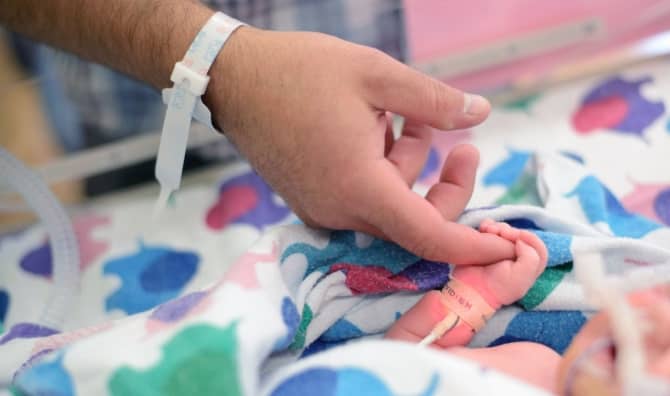
For parents of a premature baby, however, there are extra responsibilities and real stress as their baby needs constant care in a neonatal intensive care unit (NICU) as s/he fights for survival in the hospital. Working parents commonly face an added layer of anxiety, as they navigate work if paid leave expires before their recent arrival returns home. This is why Colorado’s decision to enshrine financial support for parents of pre-term babies in policy is so remarkable. Since January 2026, as Parents reports, it became the first US state to offer paid Neonatal Care Leave to parents of preemies, so they don’t have to choose between paychecks and their baby’s health, and can remain by their little one’s side.
This closeness has documented health benefits to both parents and their babies. As My Cleveland Clinic details, “Kangaroo Care,” or skin-to-skin contact, for instance, has medical benefits for preterm babies such as stabilizing a baby’s heart rate, as well as psychological benefits to parents. Meanwhile, a 2019 report referenced in Colorado House proceedings, found that parental presence in the NICU decreases stress and pain, strengthens parent-child bonding, and improves brain development.
More About Colorado’s Family-Friendly Policy
This new law has been signed off by Governor Jared Polis, who tells Parents that “Having a newborn in the NICU is incredibly challenging, and during this time parents should not have to think about whether they can take the time off of work to care for their little one.”
This paid leave expansion means that parents can be present for their newborn during this vulnerable time, when their babies may be struggling to take milk, or even just to breathe. It tackles the financial burden of families when newborns need extended hospital stays, and is seen as a win for dignity, health, and economic equality.
It grants parents with infants in the NICU, or other kinds of specialized healthcare, up to 12 weeks of paid leave. This can be combined with standard Family and Medical Leave Insurance (FAMLI) bonding leave, for a total of 24 weeks of paid time off.
But there’s more to this new law. It also provides mothers who experience medical complications during birth with four further weeks of paid leave for their own healing.
Additionally, it lowers insurance premiums for all Colorado working people from 0.9 percent to 0.88 percent of wages. This decrease makes time-off at critical times more affordable to both employees and their workers.
For mothers especially, as The Women’s Foundation of Colorado Blog details, this program offers welcome assistance at a time when they are simultaneously shouldering physical recovery, disproportionate caregiving, and lost wages. It also points out that the state has seen an 11.2 percent increase in preterm births since 2016, with over 5,900 babies born early in 2023.
How the Voices of High-Profile Parents Boosted Positive Change in Colorado
Significantly, the real-life experiences of public figures finding themselves forced to choose between being beside their offspring in the NICU, and earning a living, helped bring about this change in the law in Colorado.
State representative, Yara Zokaie, faced this challenge with her own son, and discussed this with 9News. “At that time when I should’ve been able to be fully present for him and for my family, I was working to make sure we could make rent that month… . It was incredibly scary as a new parent,” she shares, as reported in the reports on Colorado House proceedings. She recalls that working directly from the NICU when her baby was sick is what led her to enter politics to fight for paid leave.
Representative Jenny Willford, referenced the health benefits of parents spending time with infants in NICU, underlining that it is “known that parent engagement while their newborn is in the NICU is crucial for development and attachment.” For her, the law extends FAMLI benefits up to 12 weeks for families in the NICU so they can focus on what matters most – the health of their child.
Senator Jeff Bridges, who collaborated with Zokaie and Willford to sponsor the bill, has also had first-hand experience of a newborn needing intensive medical care after birth, one he admits to have been terrifying and consuming. This intense experience is supported by multiple media reports. These include an account from USA Today, from a mother who, immediately after a medical emergency during the birth of her baby, and her offspring’s admittance to an NICU, was told by her employers to “log on anyway.”
Other US states are listening. A new Neonatal Intensive Care Leave Act (NICLA) in Illinois, for example, will offer parents of preemies additional paid time-off benefits from June 2026 of between 10 and 20 days depending on company size.