Picking Up Litter has Become a Global Competitive Sport
A Japanese sport is the only one where playing dirty is encouraged. Spogomi takes picking up litter to a new level. And the real winner is the planet.
Litter is a substantial problem around the world, reported Positive News, with 59 tons of plastic waste and 4.5 trillion cigarette butts discarded on city streets and landscapes around the world every year. In 2008, Japanese runner Kenichi Mamitsuka started cleaning up litter on his morning jogs and decided to make it a game to encourage awareness about litter.
He named it Spogomi by using spo from the word sport and gomi, the Japanese word for trash. Now, 15 years later the sport is being played across Japan and in dozens of other countries around the globe.
“It’s not just about participants enjoying themselves, it isn’t simply about getting exercise – spogomi has a positive social impact that benefits society at large,” Chris Roaf, a UK representative at the Spogomi World Cup told Positive News.
How Do You Play?
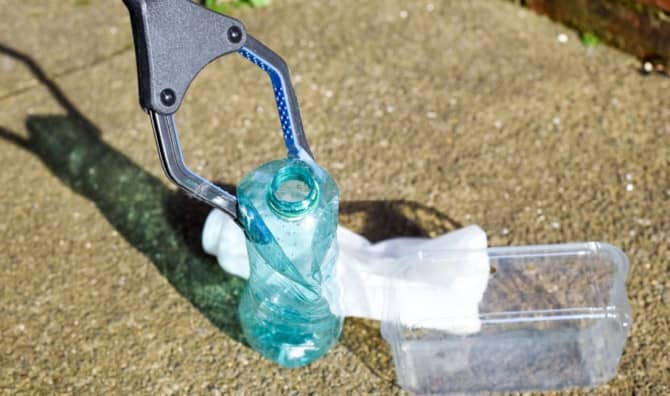
The game is played in teams of three and instead of using bats and balls, the participants use garbage bags and litter picking tongs. While the rules allow fast walking, running is deemed unsafe and will earn you penalty points.
The teams have a time limit (usually 45 minutes) to collect as much trash as possible from a specific area. After the whistle blows, the teams have an additional 20 minutes to sort their picks into categories.
Then the trash is weighed with points awarded depending on the type of litter, reported The Japan Times. The litter is calculated in 100-gram units with cans and bottles earning 12 points and cigarette butts which are small but mighty, earning 125 points.
View this post on Instagram
The World Cup Championship
The first Spogomi World Cup Championship took place in 2023 with the UK winning. The second just occurred on October 29, 2025, and was hosted in Tokyo with 33 teams from around the globe participating. The competition was organized by the Nippon Foundation Spogomi Federation and was held on the UNU campus in Shibuya and a few surrounding streets.
Finding litter in the city is difficult as Tokyo is one of the cleanest cities in the world. There are few trash bins but finding litter requires detective-like skill, like looking under vending machines.
“Every year it gets bigger and better,” Roaf, whose team The Trash Talkers, finished 13th this year, told The Japan Times. “This is only the second-ever World Cup, so I’m sure they’re still ironing out the bugs, but the atmosphere is electric, and all the teams are totally committed to the sport. It’s inspiring.”
This year, Japan claimed the World Title after picking an impressive 75.76 kilograms of waste. Germany came in second and third place went to Morocco.
But it is not about medals, the sports impact is about changing people’s views and actions. “The main strength is habit change,” Roaf said. “Once you incentivize collecting litter with prizes or points, the human brain starts to naturally notice litter — and you’re automatically less likely to drop it yourself.” And that makes the planet the real winner.