


(Francesco Rito ph / Shutterstock.com)
Italy is famous for its rich repository of art. It can be found within its many museums and churches, and outside, in its cities filled with historical architecture and revered archeological sites.
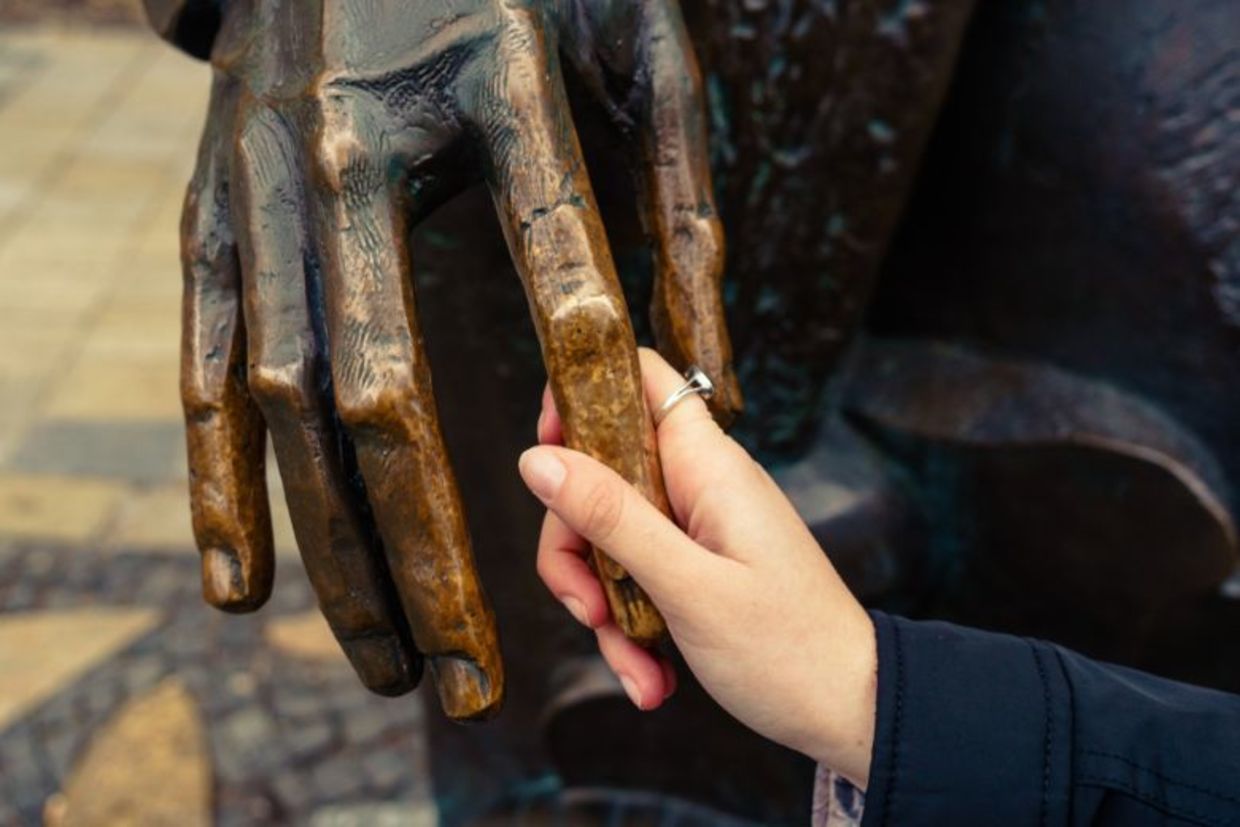
With such an awe-inspiring artistic heritage, it is hardly surprising that efforts to allow more blind and partially-sighted people, as well as those with other disabilities, to enjoy the country’s artistic treasures are gathering pace, as AP reports.
View this post on Instagram
A Connection With Art That Runs Deep
Italy is a country that lives and breathes art. Its cities, Florence, Naples, Rome and Venice in particular, are seen by many as huge, outdoor museums, so rich are they in historical architecture, while it offers thousands of churches and archaeological sites.
Moreover, its many museums are home to unparalleled masterpieces from Roman antiquity, the Renaissance, and the Baroque periods, with iconic artworks from Michelangelo, Leonardo da Vinci, and Botticelli. As of March 2026, according to UNESCO, the country has the highest number of UNESCO World Heritage Sites, with a record-breaking 60.
A Nudge Towards Inclusivity
An event back in 2021 was the catalyst triggering the country’s decision to open up its art heritage to people of all abilities.
In that year, as a condition for eligibility for European Union pandemic recovery funds, Italy was nudged to speed up its accessibility initiatives.
The Independent emphasizes that Italy, a country never lacking in tourists who flocked to its art-filled cities, had struggled to accommodate visitors with disabilities. Wheelchair users, for instance, were often faced with narrow doorways and elevators, stairs without ramps, and uneven sidewalks.
Overall, this documented inclusivity drive has sought to focus attention and efforts on removing architectural barriers to its tourist sites, including museums and other heritage-related attractions.
View this post on Instagram
Importantly, an inclusive tourism model also makes economic sense. With almost half of the world’s population over 60 coping with a disability, as AP details, it opens up visitor attractions to a huge population, and the companions that typically accompany them.
What Does Accessible Art Tourism Look Like?
A country steeped in artistic creativity has gotten creative in enabling people with disabilities to better enjoy it.
The ancient city of Pompeii recently introduced a multifaceted program to do this. Firstly, an extensive signage system makes this vast, archeological site more accessible to blind and disabled people. These access and navigation aids include braille signs, tactile models, audio guides, and the use of bas-relief replicas of excavated artifacts. These are carved or etched designs that are slightly raised from a flat background surface to better share their features.
Special Needs Answers identifies a global trend in terms of how art appreciation is evolving. It explains that art institutions in Italy, like those in other countries, are working to shift the art experience from a sight-only encounter to one that is multisensory. These efforts therefore embrace touchable replicas or 3D models, and guided experiences that use sound, scent, and storytelling to convey the meaning of a work of art.
The Centre for Accessibility Australia highlights that digital access has become key to Italy’s inclusive art push. It suggests that new inclusive initiatives at some of the world’s most important landmarks reflect a broader recognition that cultural accessibility is about more than just physical access to buildings and objects.
According to Giorgio Guardi, a tour guide with the Radici Association, which has offered tours for the disabled in Rome since 2015, the goal of accessible tourism is to create an experience that everyone can enjoy, companions included.
View this post on Instagram
Guardi shares that it isn’t always possible for blind and partially sighted visitors to touch the artworks visited, however. A statue may be on a high pedestal, for instance, like the imposing depiction of 16th century condemned thinker, Giordano Bruno, found in Rome’s Campo dei Fiori piazza. Here, he encourages some of the group to assume the hunched position of this figure, and drapes a cloth over each of them to mimic Bruno’s hooded cape. Other members of the group are then invited to feel the contours of this figure’s burdened, drooping shoulders.
The Museo Omero, a now famous Italian museum, was founded in the Adriatic coastal city of Ancona in 1990 by a blind couple. Aldo and Daniela Grassini, both avid travelers and art collectors, were frustrated by the prohibitions on touching artwork in many museums.
Named after the blind ancient Greek poet Homer, their museum boasts life-sized replicas of some of the country’s best-known artworks including the head of Michaelangelo’s David, alongside contemporary pieces.
This museum strives to show how touch can forge emotional connections with art in visually impaired people by also offering tours to blindfolded, sighted art students, as the Arizona Daily Star reveals.
Aldo Grassini is an advocate for the power of touch: “Touching something isn’t like looking at it”, he explains. “Not just because of the emotion it offers, but because of the type of knowledge that sensation provides.”
YOU MIGHT ALSO LIKE:
A Gentle Bee Revolution is Buzzing in Peru!
New Israeli Study Demonstrates Exciting Way to Map Subterranean Spaces
Good News for Furry Creatures at New York Fashion Week!