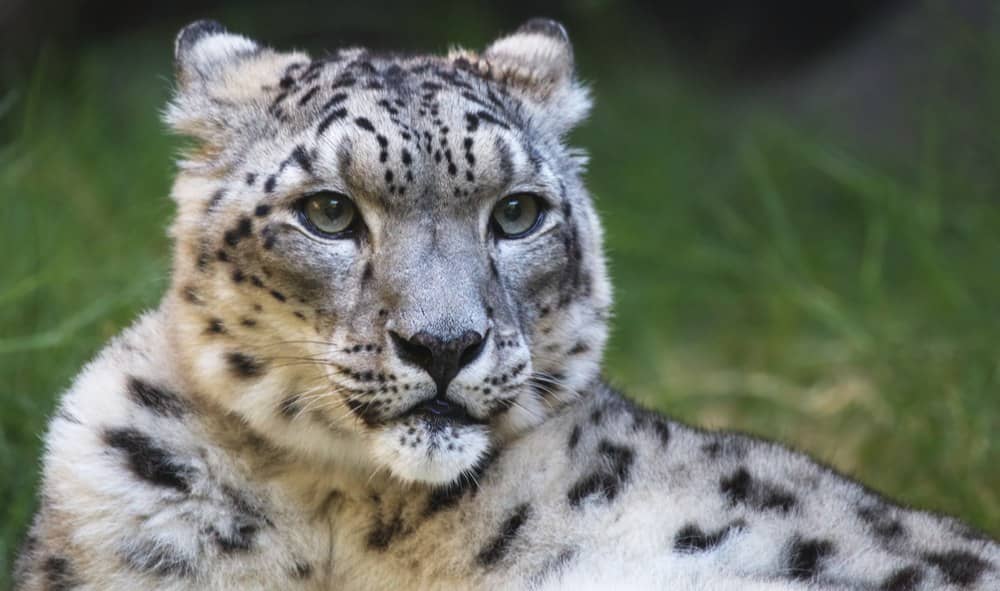
A New Lifeline For Kyrgyzstan’s Snow Leopards
An area of high-altitude, rugged terrain in central Kyrgyzstan, is home to the endangered snow leopard, one of the world’s most elusive big cats. Nicknamed the ghosts of the mountains, snow leopards are known locally as Ak Ilbirs, or white leopards in Kyrgyz, according to the Global Snow Leopard & Ecosystem Protection Program. This terrain is also home to a host of other high-altitude species, including wolves, wild goats and sheep, several small mammals, and a rich diversity of bird species.
Since 2025, Mongabay reports, this landscape has been officially designated as the “Ak Ilbirs Ecological Corridor,” linking several protected areas, and giving wildlife room to move as its alpine habitat changes in the decades ahead due to climate change.
View this post on Instagram
Kyrgyzstan’s Snow Leopards Need a Helping Hand
Snow leopards, Novastan reports, are large big cats that are built for life in some of the world’s harshest environments. Their thick coats, dark rosette-like markings, powerful legs, and long, bushy tails help them navigate the cold, steep terrain of Central Asia.
In 2023, the snow leopard became a national symbol of Kyrgyzstan, highlighting the country’s commitment to bringing communities and conservation groups together to protect the species.
The Ak Ilbirs ecological corridor is designed to protect not only this apex, or top-of-the-food-chain predator, but also the interconnected web of species it depends upon.
Snow leopards, Mongabay highlights, are hard to quantify due to the remote and rugged landscapes they live in. They are classified as being vulnerable to extinction by the International Union for Conservation (IUCN). While some 3,500 to 7,500 of these mysterious creatures are thought to live across 12 countries, Kyrgyzstan is thought to be home to circa 300 of them.
The country’s snow leopards are vulnerable to the climate change-induced drop in their traditional prey. Overgrazing is pushing wildstock into higher elevations, and increasing competition for pasture. When wild prey becomes scarce, snow leopards turn to domestic animals, provoking retaliatory killings by herders.
Poaching remains another threat. Although Kyrgyzstan substantially increased the financial penalty for killing a snow leopard in 2024, illegal hunting continues, driven by demand for pelts, bones, and other body parts.
View this post on Instagram
A Climate-Ready Wildlife Corridor!
Wildlife corridors, sometimes called green corridors, connect fragmented habitats so animals can safely move between areas that would otherwise be isolated by human activity, as sustainability news portal, Treehugger, details.
The Ak Ilbirs corridor covers approximately 800,000 hectares (almost two million acres) of pastureland, forest and other ecosystems, as Mongabay outlines. Its residents include snow leopards, grey wolves and Eurasian lynx, alongside their primary food sources including the Asiatic ibex, wild argali sheep, Tian Shan maral red deer and, Himalayan marmots.
What makes the corridor particularly forward-looking is its climate-smart design. Conservation planners used climate models extending to 2070 to identify areas likely to remain suitable for high-altitude wildlife as temperatures change.
Mongabay underlines that researchers also incorporated camara-trap [remote, automated camera] images, wildlife sightings from Kyrgyzstan’s national biodiversity monitoring database, and environmental information including elevation, slope and proximity to roads, and towns and villages.
That planning matters, because Central Asia’s mountain ecosystems are already changing. Shrinking glaciers are affecting mountain springs, rainfall is becoming less predictable, and pasture quality is declining. As herders move livestock to higher elevations in search for forage, competition with wild herbivores is increasing, leaving less food for snow leopards and other predators.
A Wildlife Corridor That Includes People
Unlike many protected areas, the Ak Ilbirs corridor is not designed to keep people out. Instead, it adopts a regulated, community-based approach that allows activities such as herding and forestry while establishing safeguards for wildlife.
Grazing is subject to strict rules, including seasonal restrictions and requirements to leave at least 40 percent of vegetation untouched as forage for wild prey. Other restrictions, as The Times of Central Asia reports, include a ban on the introduction of non-native species, and the use of pesticides and other activities that could harm the ecosystem.
Local communities are central to making the system work. Rangers patrol the corridor, monitor wildlife, watch out for poaching, and help ensure that grazing restrictions are adhered to.
Community groups are also being supported in developing alternative sources of income including beekeeping, greenhouse vegetable production, and orchard cultivation. The aim is to reduce pressure on fragile alpine pastures while strengthening local livelihoods.
Michele Bowe, of the IUCN’s World Commission on Protected Areas, who advised on the project, tells Mongabay that close community involvement is what distinguishes the corridor from other conservation efforts in Central Asia.
There are already encouraging signs. In the year since the corridor was designated, shepherds have reported seeing more wildlife inside the corridor than in surrounding areas.
Maarten Hofman, associate program management officer at UNEP, salutes the policy changes and a tangible shift in local mindsets. He tells Mongabay that these observations will soon be complemented by systematic monitoring using camera traps and other methods, helping conservationists understand whether animals are successfully moving through the connected landscape.
For snow leopards and the many species that share their mountain home, that movement could prove crucial. As climate change reshapes the highlands, protecting today’s habitat is no longer enough. Wildlife needs room to follow the conditions it depends on.
This new corridor offers a promising model: protect the landscape, connect the habitat, and involve local people — to give wildlife a path toward tomorrow.