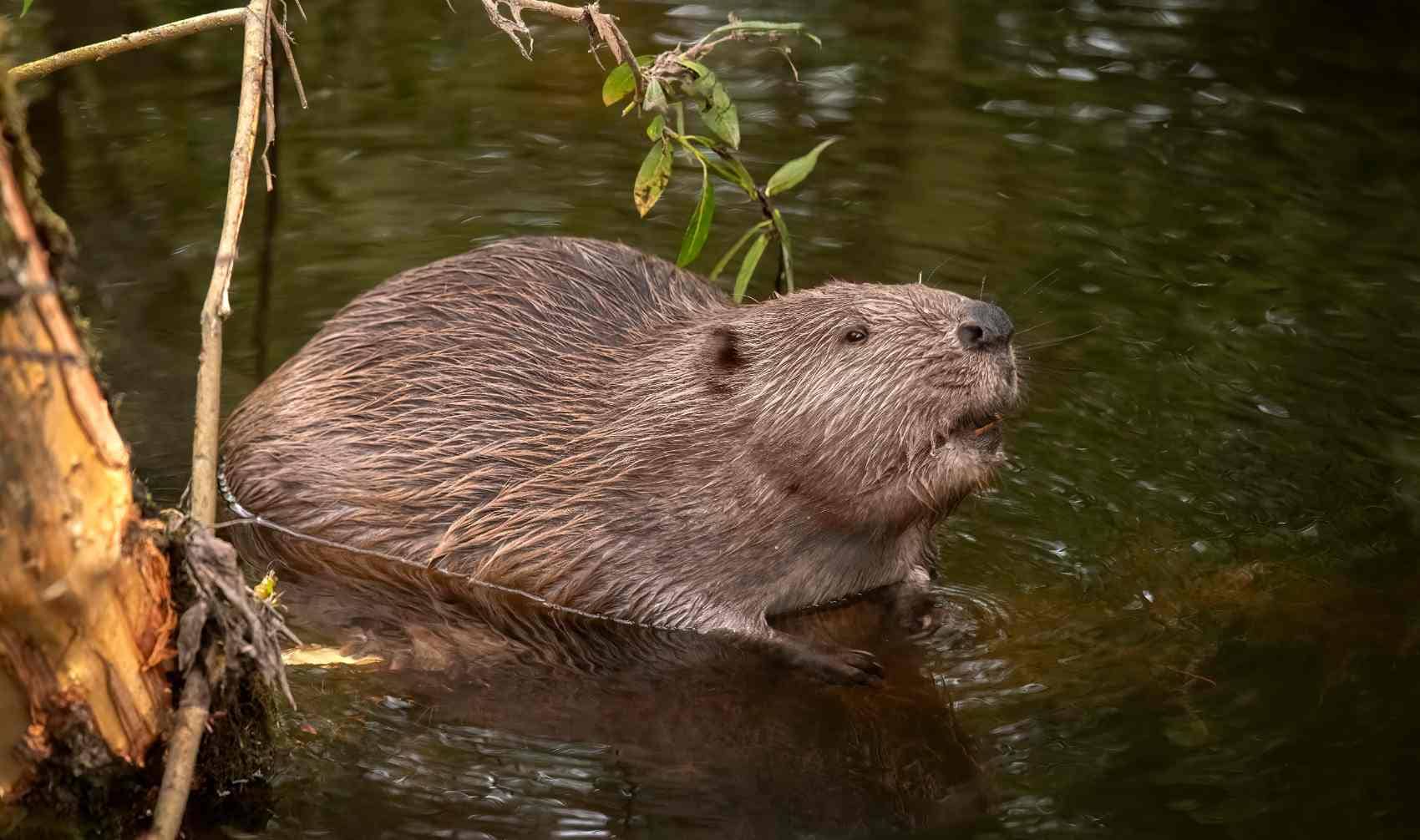
Beavers are Coming Back to Loch Ness After 500 years
Beavers are being returned to the waters around Loch Ness in the Scottish Highlands. This area is the home of the mythical Loch Ness Monster who is affectionately known as Nessie. While there have been reported sightings of her for hundreds of years, Nessie is part of the folklore surrounding the largest loch or lake in Scotland.
There haven’t been beavers in the loch for over 500 years, according to STV News. In fact, the last historical record of beavers in Scotland dates to 1526-27 and the sighting was around Loch Ness. Now a family of six beavers were reintroduced to the Trees for Life’s 10,000-acre Dundreggan rewilding estate.
An additional 15 family groups will be reintroduced over a three-year period into the lochs and rivers around Loch Ness.
“Bringing beavers back to this beautiful place will be great progress for Scotland’s Beaver Strategy, bringing benefits for nature, climate and people,” Dr Roisin Campbell-Palmer, head of restoration at Beaver Trust told STV News.
Nature’s Engineers
The releases are part of a project that was approved by the government agency NatureScot, explained a statement from the Beaver Trust organization. The project is designed so that the reintroduced beaver populations will connect and grow in the habitat that includes woodlands and river and loch banks.
“The Ness Beaver Project is now set to be a major milestone for nature recovery in Britain. Hunted to extinction centuries ago, beavers are reclaiming their place in our rivers and wetlands – breathing new life into precious landscapes, boosting biodiversity, and bringing eco-tourism opportunities,” Alan McDonnell, Trees for Life’s head of nature restoration, said in the statement.
That’s because by digging channels and building dams the rodents create wetlands that support frogs and insects that provide food for birds and bats. On smaller streams, beaver dams can reduce flooding and hold water during droughts.
Beaver Releases
Eurasian beavers began to be reintroduced in 2009, reported The BBC. But not all were successful.
The beavers that are being relocated to the Loch Ness area are being trapped and taken from places where they were having a negative effect like damaging prime agricultural land. Then the beavers receive a health screening at the specialist beaver holding facility at Five Sisters Zoo before being released in their new homes.
In 2022, River Ness catchment was determined by NatureScot as one of the most suitable locations in Scotland for the reintroduction of beavers. Now it is becoming a reality.
A Milestone for Rewilding
Much of what happens next is up to the beavers themselves. Time will tell how much they can influence their new environments, according to the Beaver Trust. Future release sites will be announced after the beavers have had a time to acclimate.
“We look forward to seeing the changes the beavers bring and to working with Trees for Life, local communities and land managers over the next three years to support further releases and help people live alongside them,” Campbell-Palmer, said in the Beaver Trust statement.
“This project is an important step towards delivering Scotland’s National Beaver Strategy by expanding the population into suitable areas, with monitoring and practical support to help address any challenges along the way.”
With beavers living wild at Dundreggan, after they have settled in, visitors will be able to see first-hand how rewilding can help nature recover and benefit local ecosystems, communities, and bring eco-tourism to the area. The return of the beavers to Scotland is an important milestone to celebrate!