Can Rewilding Help Stop the Spread of Wildfires?
Restoring ecosystems, habitats and species to farmland with depleted soil that can no longer be used has been an effective form of conservation in Britain for decades. This is a way for people to help nature until nature can take care of itself again and it is growing in support.
The organization Rewilding Britain is actively pursuing rewilding across the UK by building sustainable areas that are reconnecting people with nature while helping the land and species to survive the climate crisis. Now according to a press release from the organization, rewilding can help to stop the spread of wildfires.
Wildfires are no longer rare occurrences; they are the new reality in Britain. In 2025, wildfires burned 47,000 hectares (116,139 acres) of land. The summer of 2026 was worse. Wildfires are now a fact of life in a rapidly warming and dryer climate. But how can rewilding help?
Rewilding Could Help Stop Wildfires From Spreading
The sad fact is that almost all wildfires in Britain are started by people, reported Positive News. All it takes is a spark from a barbeque or a cigarette ash to start a fire. Dry brush will spread a fire quickly. But carefully planned rewilding that restores ecosystems can make the land wetter and more fire resistant.
View this post on Instagram
Much of England’s peatlands are degraded and dry and very few are dominated by sphagnum mosses that contain water. This is especially true in the moors in Britain’s uplands. Changes in the past 150 years due to clearing and draining the land have made the region very fire prone.
While some blame rewilding for making the land barren, the opposite is true. Rewilding requires planning and understanding of the habitats that must be restored.
How to Rebuild Natural Fire Control?
Right now, the task at hand is to make short-term transitions that allow the ecosystems to recover. But this isn’t just an issue for Britain, countries across Europe are also dealing with catastrophic wildfires due to the dry landscape. The key is bringing water back into the mix.
Start by bringing back the bog. Covering bare peat, restoring sphagnum and blocking drains will keep water in the ground and will reduce the risk of peat burning. Restoring natural wetlands will reduce fire risk. So will returning riverscapes and ponds to their natural state. Wetlands can act like firebreaks.
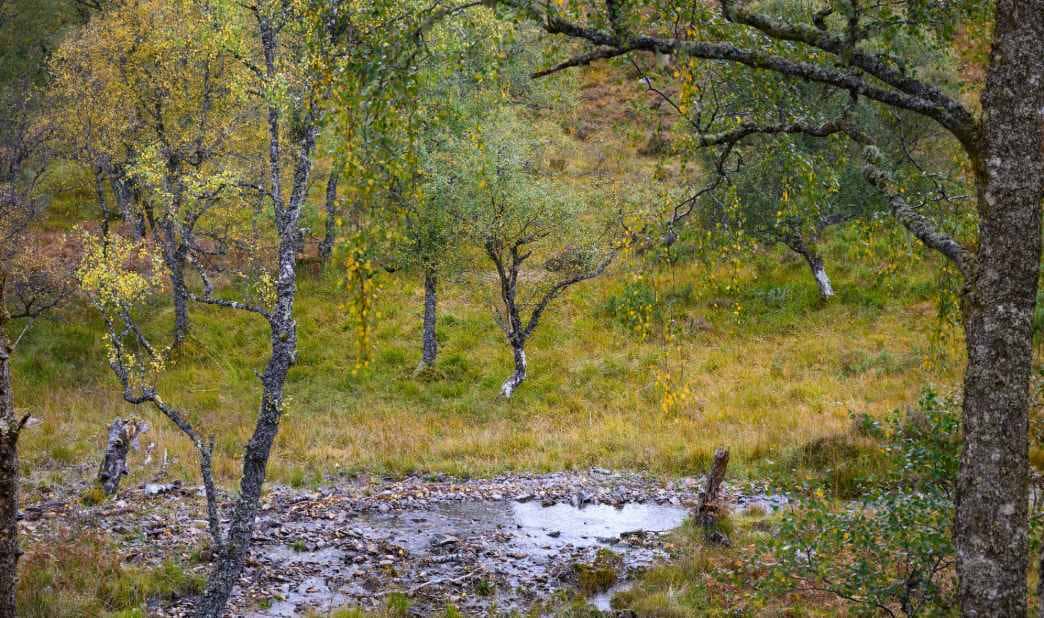
Also restoring native broadleaf woodlands is vital. Today, only 14 percent of Britain is wooded and many of the trees are coniferous (like pine) which are very prone to fire. Meanwhile, broadleaf woodland reduces the intensity of fires.
Rewilding the country restores habitats and lets the land heal from the damage man has done. Stopping wildfires in their tracks is a giant step forward in preserving nature..