Floating Scarecrows are Saving Seabirds
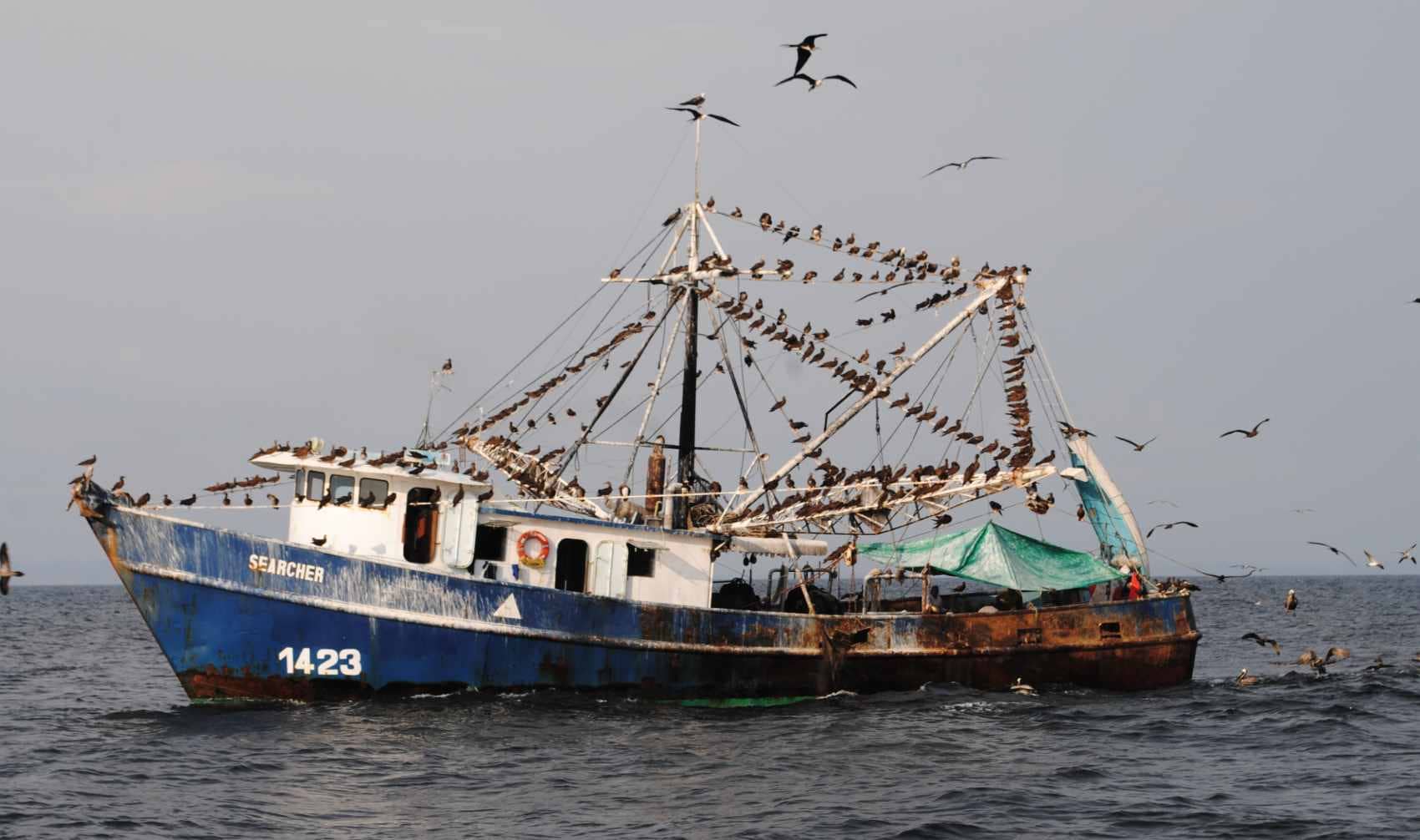
Seabirds will go wherever there is food. That’s why when you have a picnic near the water, you are highly likely to have birds waiting for you to drop food. Some are so bold that they won’t wait for you to drop it and grab it right off your plate. So, you can well imagine why seabirds will circle fishing boats looking for food.
The seabirds frequently get caught in the fishermen’s nets, reported The Guardian. In fact, every year approximately 95,000 diving seabirds are accidentally caught in nets off the coasts of Europe. This is known as bycatch and includes razorbills and guillemots which are listed as a conservation concern. But now Cornish fishermen are trialing two deterrents, scarecrows and kites, as part of a two-year trial to save the seabirds.
About the Research
The deterrents consist of floating scarecrows – which are actually looming-eyes buoys (LEB) that have a spinning head with two eyes – and “scary bird”-shaped kites are frightening birds away from gillnets. The LEBs were tested by 10 Cornish fishing boats that monitored the effect of the devices on seabirds.
Research from the University of Exeter was analyzed and the results of the two-year trial the was published in the journal Conservation Letters, revealed that the chances of seabirds being caught in nets fell 59 percent when using LEBs and 71 percent with the use of the scary bird kites, according to a news release from the University. The data also showed that most of the seabirds were caught during the winter months.
Tom Horton, lead author of the University of Exeter research and a scientist at Fishtek Marine that developed the LEB, said in the news release: “This study provides some of the strongest evidence to date that simple, practical deterrents can substantially reduce seabird bycatch in gillnet fisheries.
“By also identifying when and where bycatch risk is highest, we now have a clear opportunity to target mitigation measures where they can deliver the greatest conservation benefit for vulnerable seabird populations and encourage sustainable fishing practices.”
The partnership between the fishermen and Fishtek Marine was a critical factor in collecting the data and using it to improve the designs and effectiveness of the devices.
Developing the Scarecrows
It took many years to develop the LEBs, eight years in fact, reported the BBC. Scientists from Fishtek Marine teamed up with the RSPB – a conservation nonprofit in the UK to find a solution to the bycatch issue.
Yann Rouxel, bycatch program manager at RSPB, told BBC that “The performance of the LEB and kite, as evidenced in this study, is a major milestone in the effort to reduce seabird bycatch without impeding gillnet fishers while at sea.”
This is particularly good news for the fishing industry that has long been criticized for injuring or killing birds and fish (like dolphins) in their nets. It is a way to make fishing more humane and more sustainable. And this is good for people and the planet.