How to Keep Your Lawn Alive During a Heatwave
It is an American tradition to have a plush green lawn. Keeping your lawn tip-top requires frequent watering, fertilizer, weeding, and mowing, especially during the summer. While you can control those elements, you cannot control the weather.
When extreme heatwaves and droughts hit, your grass and landscaping may not survive on its own, according to Agrilife Today. With summers getting much hotter, this is becoming a frequent occurrence. So, what do you need to do to keep your lawn alive during a heatwave?
Mike Arnold, Ph.D., professor in the Texas A&M Department of Horticultural Sciences and director of The Gardens at Texas A&M told Agrilife Today that success isn’t about doing more, it’s about doing it smarter.
Watering Your Plants
As previous heatwaves have shown your lush green lawn can turn brown in the heat. But don’t just add more water, it will not regreen a dormant lawn.
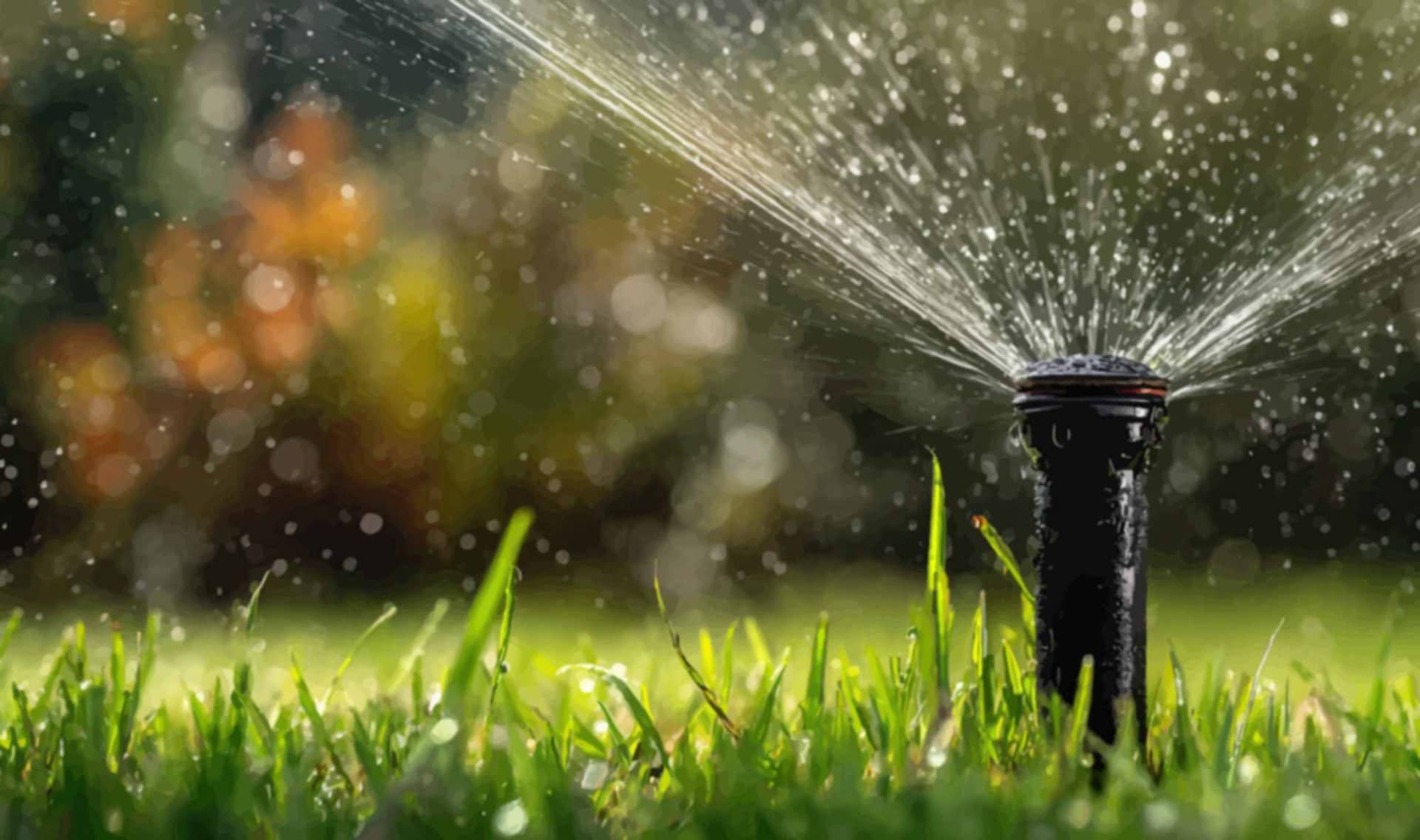
Watering your lawn is a precise art, according to Southern Living. Water two to three times a week for about 25 to 30 minutes depending on the sprinkler type. During a heatwave, water three times a week. This will encourage the roots to grow deeply into the cooler soil. If you water too frequently or for too short a time, the roots will be shallow and stay close to the soil’s surface. If it rains, you can skip one of your watering sessions. Overwatering your lawn can lead to fungal and other issues.
How often you need to water your lawn also depends on whether your lawn is shaded for at least part of the day or if it is exposed to the full brunt of the sun. The best time to water is early morning before it gets too hot.
Soil conditions also matter. Clay retains water the longest so test the soil for moisture before watering. Sandy soil dries out quickly, so it needs more frequent watering. Loamy soil is the best for retaining water and draining excess moisture.
What Types of Plants are Best for Summer Heat
Plant selection is a big part of landscaping to withstand extreme heat and drought, according to The Spruce. If you live in a drought prone location like the Southwest US, use native plants that historically perform well. While succulents (like aloe vera) and cacti come to mind there are many more plants that are drought tolerant.
Some drought resistant shrubs and ground covers include fountain grass, cat mint, sedum, and Artemisia which all do well in landscaped beds. Flowers that are hardy enough to withstand droughts include giant hyssops, geraniums, lavender, and black-eyed Susans.
While cacti and succulents require little water, all plants do require watering. When the first few inches of the soil feel dry, it’s time to water your plants. Growing plants and grasses that can survive high heat is a good start of keeping your lawn and landscaping alive in the extreme heatwaves that are spreading across the US and Europe.