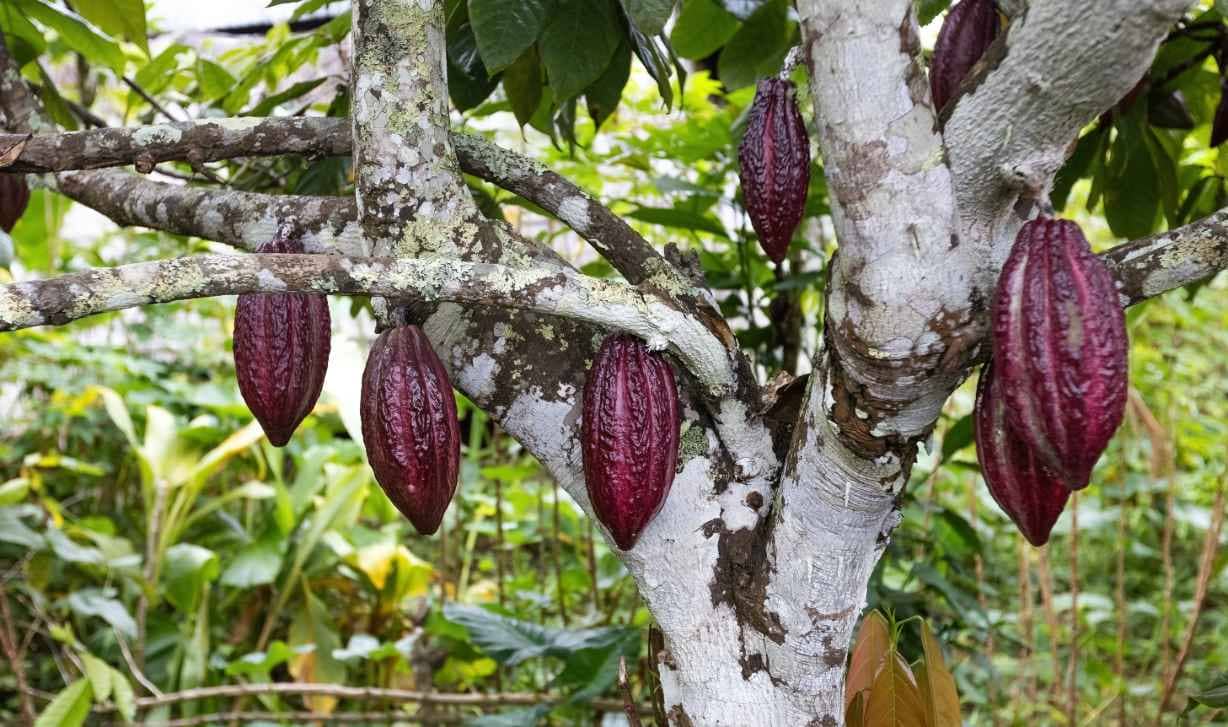
Scientists Discover 4 New Types of Cacao
Though it is not found on the official food pyramid, most people would agree that chocolate should be considered a major food group. Chocolate is one of the world’s most beloved food items and flavors. From chocolate cake to mole, chocolate reigns supreme in the hearts and mouths of many a foodie.
Unfortunately, Vice reports, cacao, the bean from which chocolate is derived, is in peril. Climate change, disease, and unstable economics have all led to worldwide cacao shortages. But this could change soon. Researchers in Peru have recently released a study, published in Plos One, announcing the discovery of four new genetic varieties of Peruvian cacao, bringing hope regarding the future of the bean to chocolate lovers everywhere.
Wild and Semi-Wild Trees
For the most part, major cocoa farmers around the world tend to grow a few varieties of high-yield cocoa beans. This ensures that they can grow a lot of cacao. However, there is a downside to this type of agricultural strategy: when disease or severe weather comes, it comes for everything. A lack of diversity, as in most things in nature, can lead to devastating loss.
That is why researchers decided to analyze the DNA of 390 wild and semi-wild cacao trees grown by Indigenous farmers in Peru. The cocoa bean is native to Peru and the country is the eight largest producer of cacao in the world. What they found was that the common belief that there are 10 genetic lineages of cocoa beans is false. There are actually 14.
Valuable Genetic Traits
According to Sci News, the researchers discovered that trees in each region in Peru had their own distinct genetic signature. One, in particular, helped clarify the genetic ancestry of a type called CCN 51 which had been specifically grown for its high-yield and disease resistant properties.
Of the four new genetic varieties, two seem to indicate that they could produce high-quality, and delicious beans, which are valuable genetic traits for the economic and conservation aspects of the cacao industry.
One of the most valuable aspects of doing this research, however, was not only the discovery of the cacao beans themselves, but the ability to work with Indigenous peoples.
Dr. Lambert Motilal from the Cocoa Research Centre at the University of the West Indies, St. Augustine in Trinidad and Tobago, and one of the leads in the study, told Sci News, “One of the most rewarding aspects was working directly with Indigenous on-farm trees across eight vastly different departments, from the Amazonas lowlands to the Andean foothills. It was eye-opening to realize that these invaluable genetic treasures weren’t locked away in a lab. They were literally growing in farmers’ backyards….”
More and more farmers and professionals in the agriculture business are beginning to understand that the key to withstand climate change is diversity. The more diverse crops are, the more likely they are to survive. Now, thanks to the Indigenous farmers of Peru, chocolate lovers can rest assured that the cocoa bean will be able to thrive even as the world changes.