An Inexpensive Surgical Gel May be Able to Restore Sight
The world is full of beautiful and colorful things to see. From recognizing loved ones to enjoying a striking sunset, radiant rainbow, or a work of art, sight plays a crucial role in how people experience the world around them.
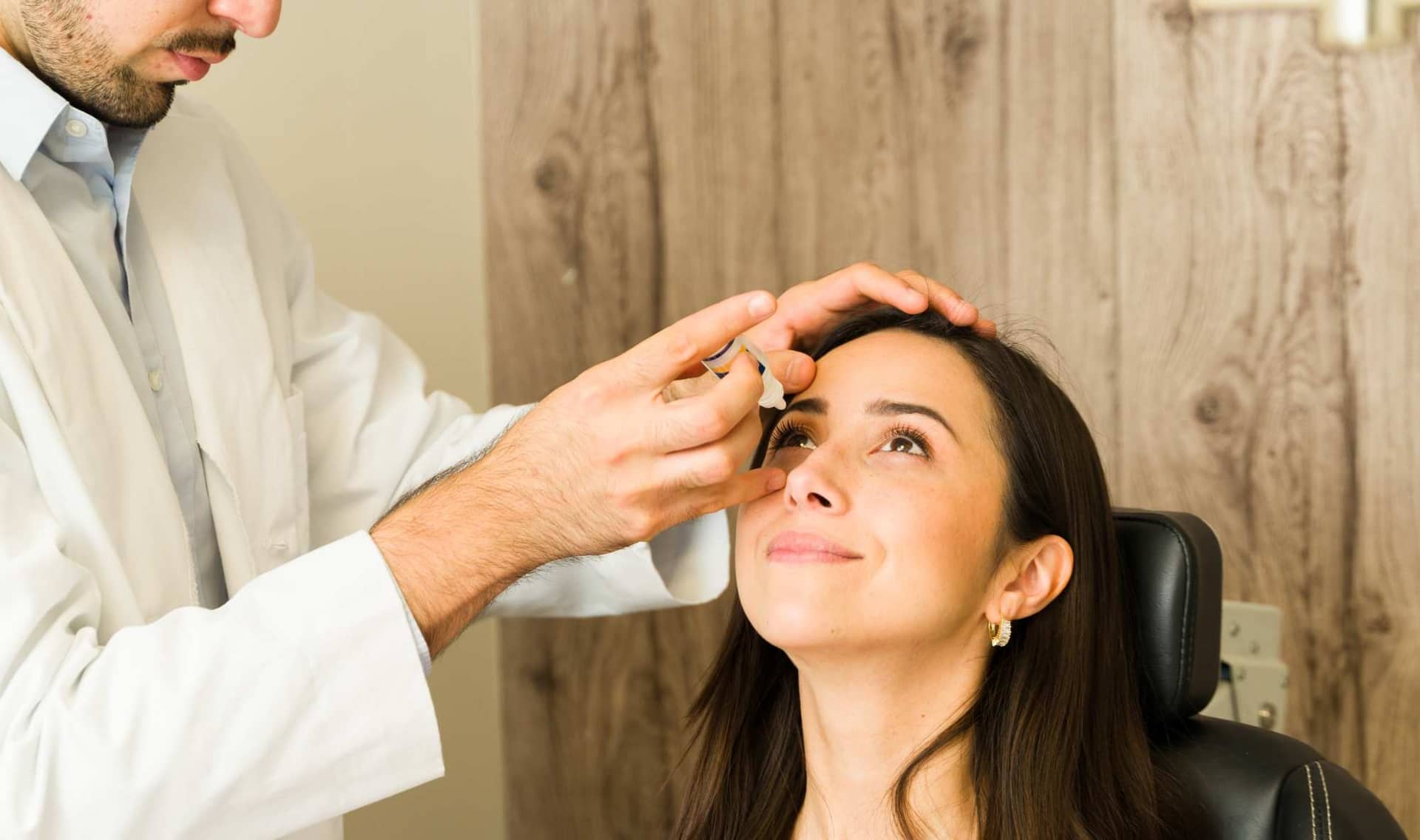
Now, there is a therapy that could help restore sight for individuals suffering from hypotony. Research recently published in the British Journal of Ophthalmology details how injecting a common surgical substance gave seven patients their vision back. Although the research is still at an early stage, these promising results offer new hope for this rare condition
Treating Hypotony
Hypotony, or low eye pressure, is a rare condition affecting up to 100 people in the United Kingdom (where the vision-restoring trial took place) annually, Earth.com reported. It occurs when the eye produces insufficient fluid causing it to cave in on itself, much like a deflated basketball. As the eye shape distorts, the retina and lens misalign causing vision loss.
This condition presents a challenge for eye surgeons who can’t surgically smooth out all the wrinkles and distortions, even if the pressure later rises. Instead, ophthalmologists treat hypotony by injecting silicone gel into the eyeball — an imperfect solution as the silicon can damage the cornea. Additionally, silicon is cloudy, making it difficult for eye doctors to monitor and treat ophthalmologist issues before irreversible damage occurs.
Pioneering a New Treatment
Nicki Guy, a 47-year British mom, experienced firsthand the limitations of conventional treatments, reported the BBC. Guy developed hypotony in her right eye almost a decade ago. The silicon oil injections did little to restore her sight.
When she began to suffer hypotony and vision loss in her right eye as well, Guy and her ophthalmologist, Harry Petrushkin made the bold decision to trial a new approach.
“After I lost vision in my left eye, I thought, ‘there has to be something else we can try,’” Guy told the BBC.
Petrushkin and his team replaced the silicon with HPMC injections. HPMC, or hydroxypropyl methylcellulose, is a low-cost, water-based gel that is already used during eye surgeries. Nicki and 34 other patients at the Moorfield Eye Hospital began receiving regular injections of this cheap surgical substance every three to four weeks over the course of ten months.
Petrushkin explained that he was initially nervous to trial the new approach. “The idea that we might be causing harm to somebody who has only really one eye with a treatment that may or may not work was nerve-wracking,” he explained.
Promising Early Results
However, Petrushkin’s daring was rewarded with promising positive results. Guy’s vision improved from needing a magnifying glass to navigate her immediate settings to nearly being able to drive again. She described the outcome as “life-changing,” explaining that, “It’s given me everything back. I can see my child grow up. I’ve gone from counting fingers and everything being really blurry to being able to see.
“We came up with this as a solution and amazingly it worked. Really, we could not have dreamt of her having the outcome that she has had.”
More Research is Needed
The outcomes of eight out of the 35 patients who received the therapy were published in the British Journal of Ophthalmology article. Seven of these patients experienced major improvements in their vision.
This treatment is only effective, Earth.com cautions, if given while the cells at the back of the eye are still viable. Once optic nerve damage occurs vision loss becomes permanent and can no longer be treated by simply re-inflating the eye.
Larger scale studies are also needed to determine the safety and efficacy of HPMC injections as well as to help ophthalmologists work out the optimal schedule for injections and ongoing checkups.
However, the early success of this treatment demonstrates the remarkable progress being made in modern eye care. By rethinking how familiar medical tools can be used, doctors are finding new ways to protect and restore vision. These innovations offer patients with vision loss the chance to once again see the world in all its beauty.