Culture Fans May Get a Wellness Boost From The Arts They Love!
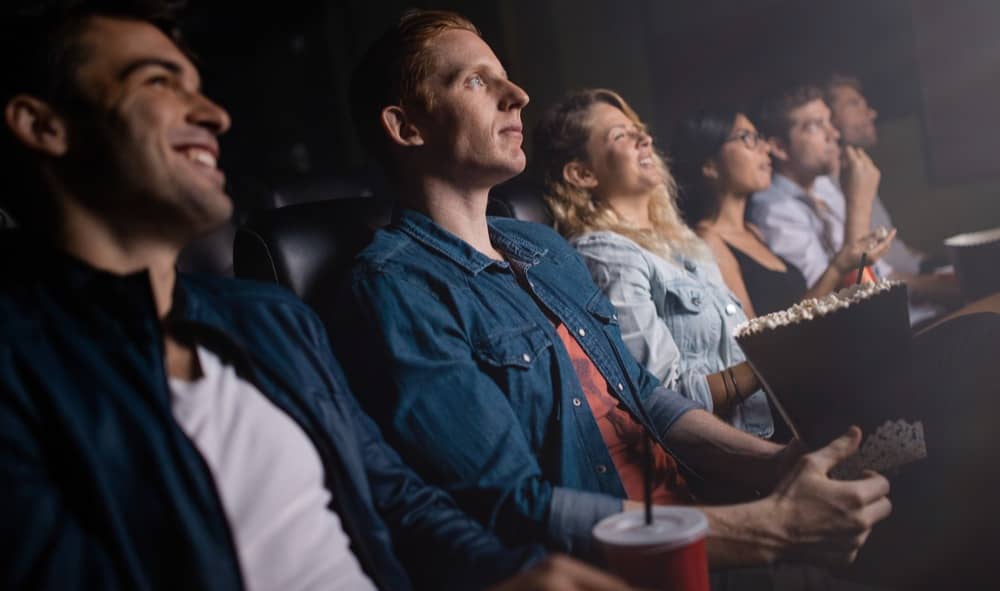
Arts lovers who regularly fill their leisure time attending cultural events may be getting benefits that go far beyond entertainment.
A new study published in the Journal of Epidemiology & Community Health in mid-July 2026, suggests that cultural engagement may support the physical well-being of older adults. Frequent visits to theaters, cinemas, museums, and other culture hubs were associated with healthier aging, potentially helping older adults maintain their physical vitality as they grow older.
As NDTV highlights, the findings reinforce the idea that healthy aging involves more than staying physically fit. Remaining mentally active and socially connected may also play an important role. In other words, staying active as we age might mean more than hitting the gym — it could also mean catching a movie or spending an afternoon at a museum.
Not Quite Aging Backwards!
Previous research has linked cultural activities such as going to the movies with better well-being among older adults, but relatively few studies have examined whether these activities are associated with physiological aging itself.
Now, scientists at the Institute of Science Tokyo say that they have carried out the first longitudinal study to explore the relationship between cultural engagement and physiological aging. Their findings suggest that regular participation in cultural activities may be associated with a younger physiological age.
As Healthline explains, the study classified “culture vultures” as people who attended cultural events at least once every few months. These participants had an average physiological age of about 66.9 Years, compared with 69.9 years among those who engaged with culture less frequently — a difference of roughly three years in apparent physical functioning. Their average chronological ages were much closer: 68.7 versus 70.3 years, respectively. Therefore the bodies of the more culturally engaged participants appeared to be functioning younger than their birth dates alone would suggest.
Physiological age, as Medical News Today explains, reflects the aging of the body’s cells, tissues and organs. Unlike chronological age, which simply counts the years since birth, physiological age or biological age can vary from person to person, as Science Daily points out. A higher physiological age is generally linked to greater risks of health problems and mortality.
The study titled “Cultural engagement and physiological ageing: A fixed-effects analysis,” analyzed data from nearly 2,000 men and women over the age of 50 who participated in the ongoing English Longitudinal Study of Ageing. Researchers used a fixed-effects approach. This type of analysis, explains health commenter, Dr. Kumar, allows them to compare participants with themselves over time, and thereby account for stable characteristics such as genetics and upbringing.
The researchers calculated cultural engagement scores based on how frequently participants visited cinemas, museums or art galleries, and theaters and concerts. Physiological age was estimated using 10 indicators of physical health collected by nurses including blood pressure, grip strength, walking speed and body mass index.
The study results are encouraging. A higher cultural engagement score was significantly associated with a lower physiological age, and the association remained evident over time. After accounting for factors including household income, employment, and chronic health conditions, each one-point increase in cultural engagement was associated with a 31-day reduction in physiological age.
Specifically, after adjusting for factors such as household income, employment, and chronic health conditions, the study found that each one-point increase in cultural engagement was associated with a 31-day reduction in physiological age.
The researchers concluded that enhancing cultural engagement may help slow physiological aging and promote health aging.
A Deeper Dive Into This Apparent Delayed Aging
While the findings may reframe a night at a theater as more of a potential longevity habit, as Yahoo! Health puts it, caution is warranted. As Science Daily points out, the research was observational, meaning it identifies an association between cultural engagement and slower physiological aging, but cannot prove that cultural activities directly slow the aging process. In other words, healthier people may simply be more able — or more inclined, to get out and enjoy cultural events.
Indeed, Healthline notes that people who are more culturally engaged also tend to share other health-promoting lifestyle habits including eating a healthy diet and staying physically active.
What researchers are suggesting, however, is cultural engagement — particularly when supported by greater access to cultural experiences — could become a behavioral “reset” and potentially form part of a broader public health strategy. Yusuke Matsuyama, associate professor and researcher, and first author of the study, told Medical News Today that “cultural engagement has been associated with well-being and various health outcomes and, importantly, it is modifiable.”
The potential link between cultural stimulation and healthier mental and physical wellness in older adults is already reflected in the programming of cultural institutions such as the High Museum of Art of Atlanta. Andrew Westover, its director of learning and civic engagement, told Healthline that its Culture Collective programs are designed for adults over 50, encouraging participants to continue learning and growing. The institution aims to create spaces where “people’s brains are constantly tickled,” sparking curiosity as well as meaningful social connection among visitors.
The researchers also suggest that cultural experiences could offer health benefits comparable to those associated with frequent exercise, though more research is needed before such comparisons can be established.
Experts are also calling for research involving broader and more diverse populations. Medical News Today spoke with Kamal Wagle, MD, a geriatrician who argues that studies should include people from a wider range of cultural and socioeconomic backgrounds so findings remain relevant across different communities.
For now, the findings add to a growing body of evidence, Science Daily concludes, suggesting that staying socially and culturally active — and the mental stimulation, social connection, and emotional uplift that can accompany it — may contribute to healthier aging.
The bigger question remains whether cultural engagement itself helps drive those benefits, or whether it is simply one feature of a lifestyle that already supports better health.