5 Great Reasons to Add Sunflower Seeds to Your Diet
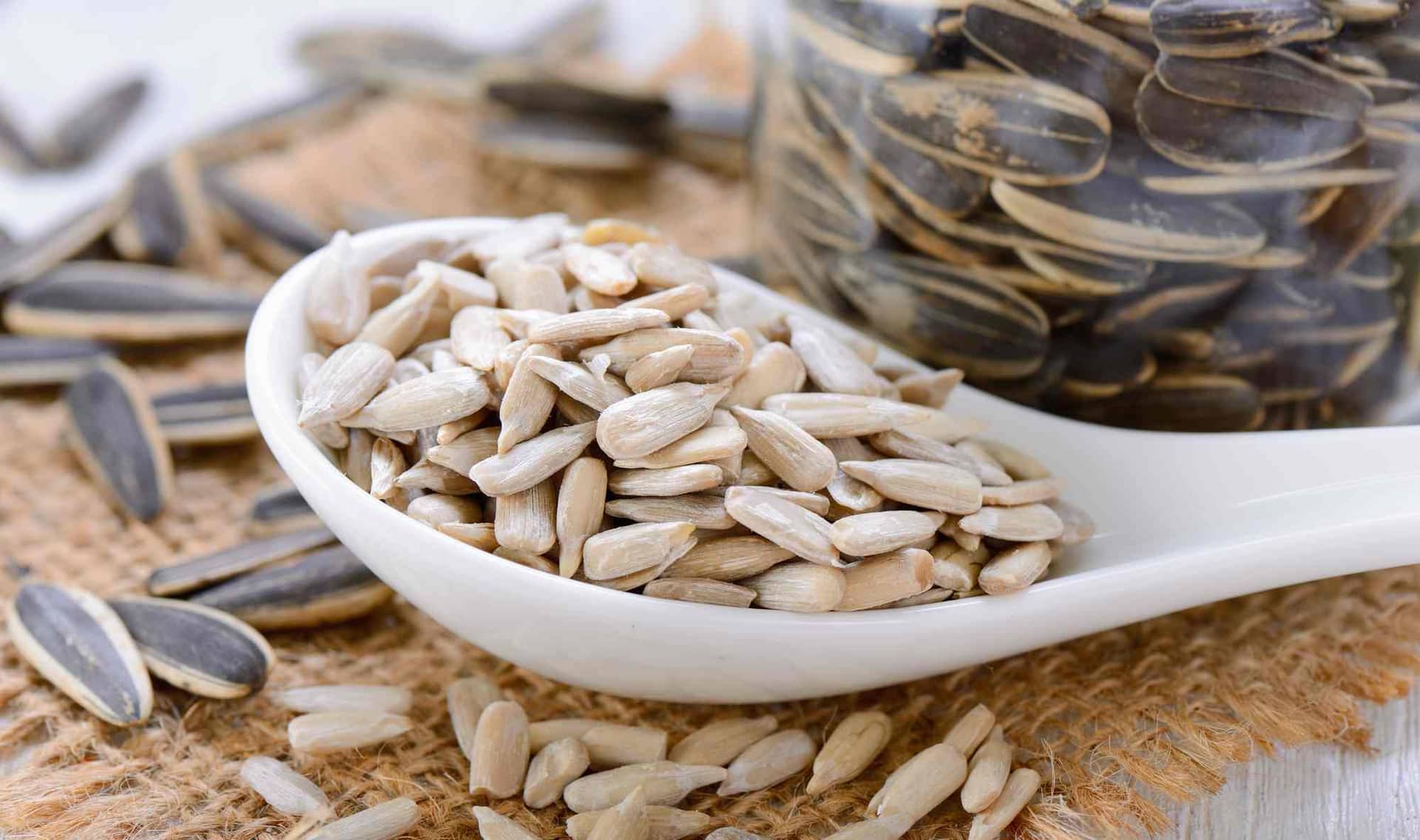
Sunflower seeds are harvested from sunflowers, and one large flower can contain up to 2,000 seeds. Sunflower seeds are used in trail mixes, sold peeled and ready to eat or shelled (the shells are not edible). But one of the best things about these healthy seeds is that they make a nourishing addition to just about everything.
That’s because, according to Vogue, sunflower seeds come packed with plant-based protein, fiber, selenium, magnesium, and vitamin E. There are a lot of health benefits packed into those small seeds. And you don’t have to eat them raw, lightly roasted seeds are also part of a healthy diet. Just watch out for seeds that are heavily salted.
“The combination of nutrients found in sunflower seeds can support several aspects of overall health, from heart health and immune function to the body’s antioxidant defenses, ” Archana Batra, dietitian and certified diabetes educator told Vogue.
These seeds are so good for you that here are five great reasons to add sunflower seeds to your diet.
Packed With Nutrition and Antioxidants
Sunflower seeds are packed full of nutrients. In fact, the seeds are full of important vitamins and minerals, according to Healthline. Two of them, Vitamin E and selenium. function as antioxidants that help your body fight against free radicals that cause damage on a cellular level. The seeds also contain helpful plant compounds including phenolic acids and flavonoids that are also antioxidants. Just one serving contains 58 percent of copper, 41 percent of selenium, 49 percent of vitamin E and 40 percent of pantothenic acid as well as a host of other vitamins and minerals.
Heart Healthy
High blood pressure is a major risk in cardiovascular health. But bioactive peptides that are found in sunflower seeds could help your blood vessels relax and this helps to lower blood pressure. The seeds are also high in unsaturated fatty acids, including linoleic acid which helps to lower blood pressure and cholesterol. A review of 13 studies suggested that participants with the highest intake of linoleic acid had a 15 percent lower risk of heart disease.
Good for Diabetics
Sunflower seeds also have a positive effect on blood sugar levels. This could be due to the plant compound chlorogenic acid that is found in the seeds. Just adding seed to foods like bread and other carbs could help decrease the effects of the carbs on blood sugar because the protein, healthy fats and fiber in the seeds slow the rate you digest your food and allows a gradual release of sugar into your blood.
Helps Reduce Inflammation
For people suffering from inflammation, eating sunflower seeds offers anti-inflammatory benefits, according to WebMD. The same antioxidants, vitamin E and flavonoids, may also reduce both short-term and chronic inflammation. This can lower your risk of chronic illnesses.
Could Boost Energy Levels
Active people should snack on sunflower seeds before physical activity. That’s because the high levels of protein and other nutrients can help boost your energy levels. The thiamin (vitamin B1) in the seeds help to convert food to energy and selenium could increase blood flow and that delivers larger amounts of oxygen to your body. So, if you need an afternoon pick-me-up, turn to sunflower seeds.