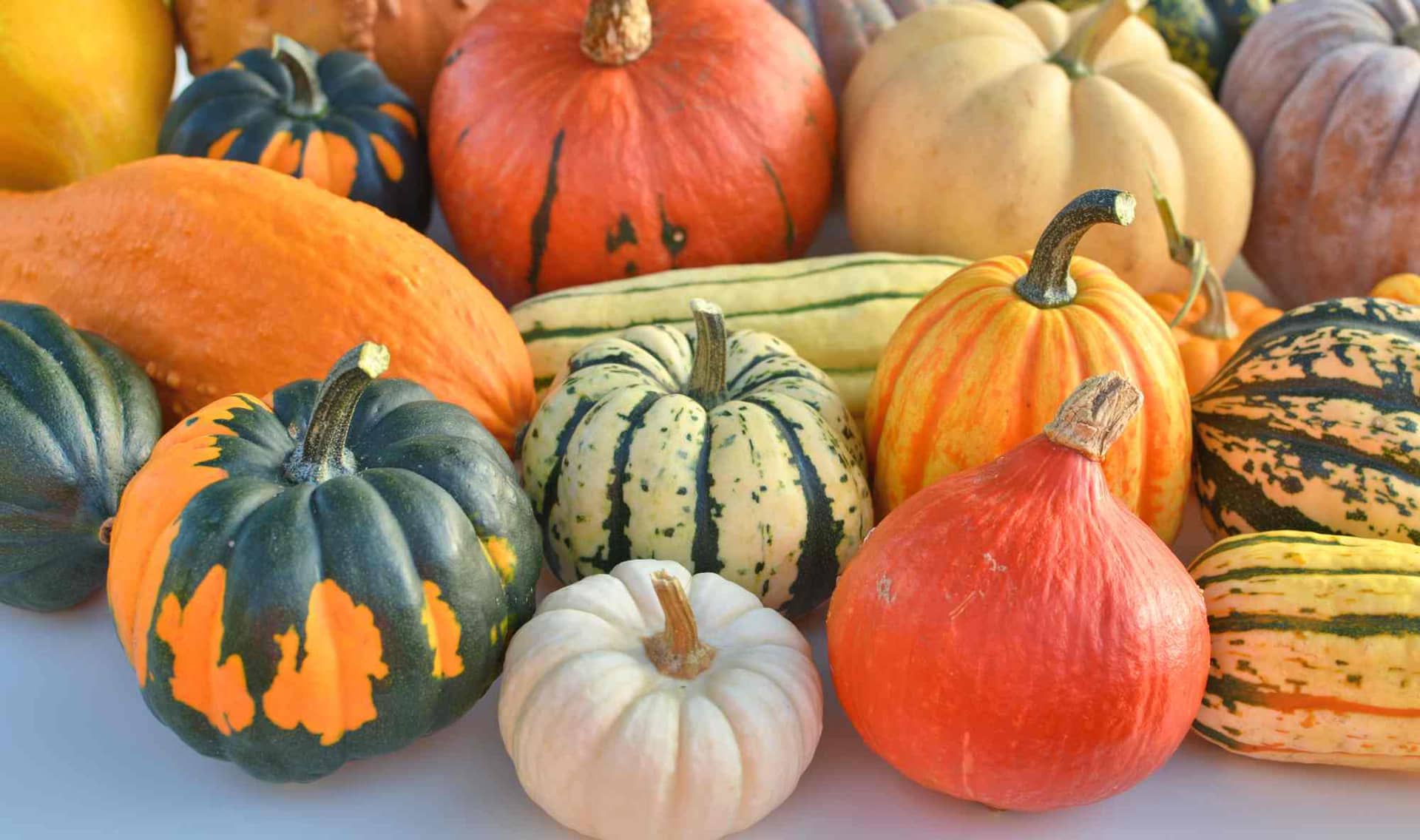
7 Healthy Winter Squash to Try This Fall Season
Fall is winter squash season.These versatile veggies are both tasty and good for you. They can be baked into pies, turned into hearty soups, added to pastas and baked goods, or even enjoyed lightly roasted. Even the seeds can be roasted to make a healthy and nutritious snack.
According to Harvard’s The Nutrition Source, winter squash are unique vegetables in the gourd family that feature firm rinds, bright colors, and dense and hearty textures and flavors. Historically, winter squash has been used as a medicinal plant to help treat conditions like high blood pressure, high cholesterol, and diabetes.
That’s because winter squash are packed with vitamins and minerals including beta carotene (which the body uses to make vitamin A), vitamin C, fiber, magnesium, and potassium. This makes them an important part of a healthy diet.
Here are seven squash varieties to try this fall:
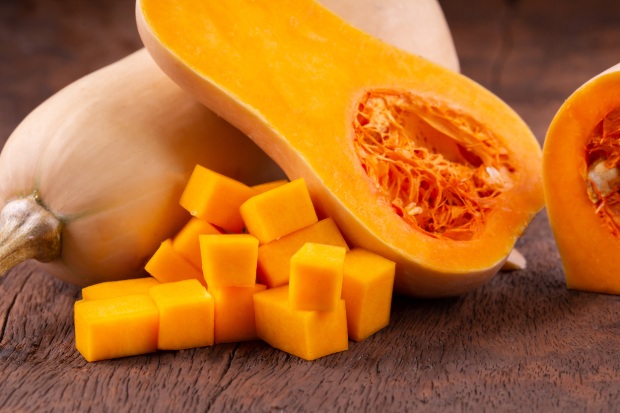
Butternut Squash
Butternut squash, like many other winter squashes, is loaded with fiber, vitamins, and beta-carotene, explains Prevention. In fact, it owes its vibrant orange color to the presence of carotenoids, of which beta-carotene is one, alongside lutein and zeaxanthin.
Nutritionist Jennifer House tells Prevention that, “These carotenoids, along with the high vitamin C content in butternut squash, act as antioxidants that support immunity and good overall health.” Butternut squash also boasts more than a third of the daily value (DV) of vitamin C, more than 100 percent of the DV of vitamin A, and 6.5 grams of fiber in a single cup.
(freedomnaruk / Shutterstock.com)
Pumpkin
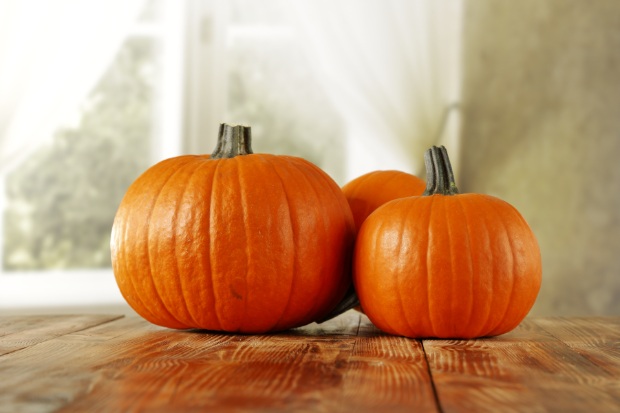
Pumpkin isn’t just fall’s most infamous gourd. This colorful vegetable is also a nutritional powerhouse. That’s because pumpkin contains fiber, vitamins, minerals, carotenoids, and polyphenols that may help protect against cell damage and inflammation,”
Pumpkin is easy to cook with because it comes already prepped, cut, and pureed in a can. A can of pumpkin is loaded with vitamin A, fiber, and polyphenols. It has a sweet, but mild flavor, meaning that it can also be added to baked goods, chilis, soups, and pasta dishes to boost the nutritional profile of these meals.
(S_Photo / Shutterstock.com)
Acorn Squash
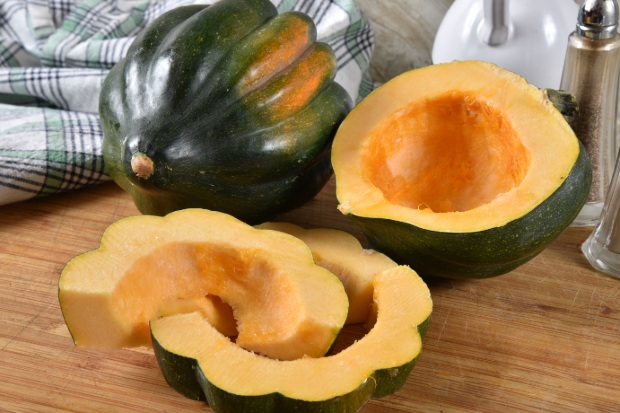
Acorn squash is packed with potassium, containing nearly a fifth of a daily value in a single cup and it weighs in at only 115 calories per cup, according to TODAY. These calories include 2.3 grams of protein, and 30 grams of carbohydrates of which nine are gut-healthy fiber. Acorn squash has more vital minerals, like potassium and magnesium than other winter squashes. This means that this healthy squash can help support lower blood pressure and blood pressure regulation.
(MSPhotographic / Shutterstock.com)
Spaghetti Squash
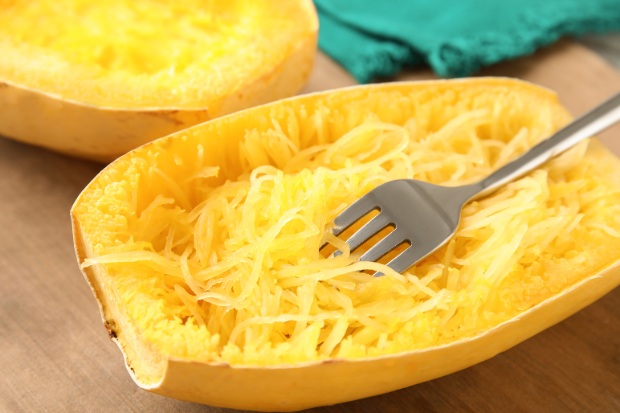
Spaghetti squash has a high liquid content, making it nutritionally more similar to summer squash than winter squash. In a single cup of spaghetti squash there are only 42 calories, including one gram of protein, ten grams of carbohydrates, and two grams of fiber.
Spaghetti squash is best known for its versatility. It can be used to replace some or all of the noodles in a pasta dish. You can also celebrate its unique flavor profile with non-traditional spaghetti toppings like olives, fennel, olive oil and chickpeas.
(New Africa / Shutterstock.com)
Delicata Squash
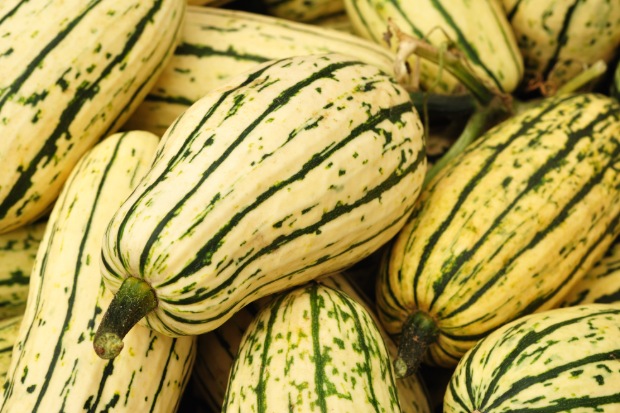
Delicata squash (also known as peanut squash or bohemian squash) is a creamy, low calorie option with edible skin. It’s smaller and creamier and is similar to a sweet potato. It contains only 60 calories per cup, including two grams of protein, two grams of fiber, and 18 grams of carbohydrates, as well as a healthy dose of vitamin C and vitamin B.
(Mark Herreid / Shutterstock.com)
Honeynut Squash
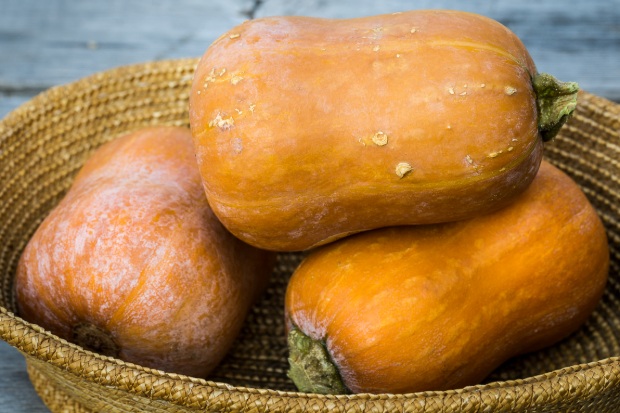
Honeynut squash is another more uncommon squash variety, according to Prevention. This gourd looks like a mini-butternut squash, but it contains much more nutrients per volume than its larger butternut cousin.
This small, sweet squash contains fiber, beta-carotene, vitamin C, and potassium. The rind of the squash is also edible, thin, and tender, allowing you to enjoy the flavor and nutrition of the shell.
(J.J.Photo / Shutterstock.com)
Kabocha Squash
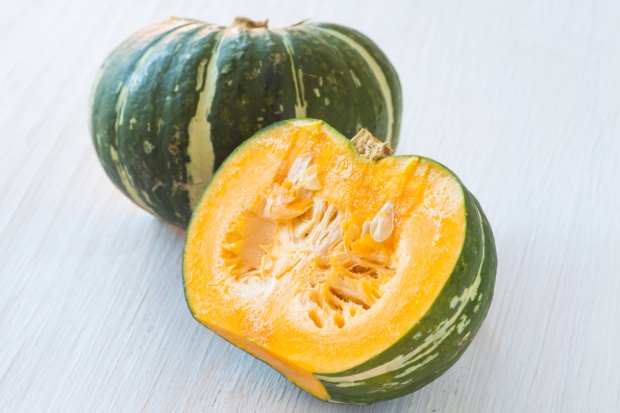
Kabocha squash, also known as a Japanese pumpkin, has a green skin and falls somewhere on the taste spectrum between a sweet potato and a pumpkin. But the skin is edible so it gives you added fiber and reduced preparation time. Although it has around the same carbohydrate content as pumpkin, kabocha has more potassium, vitamin C, and vitamin A.
(Sakarin Sawasdinaka / Shutterstock.com)