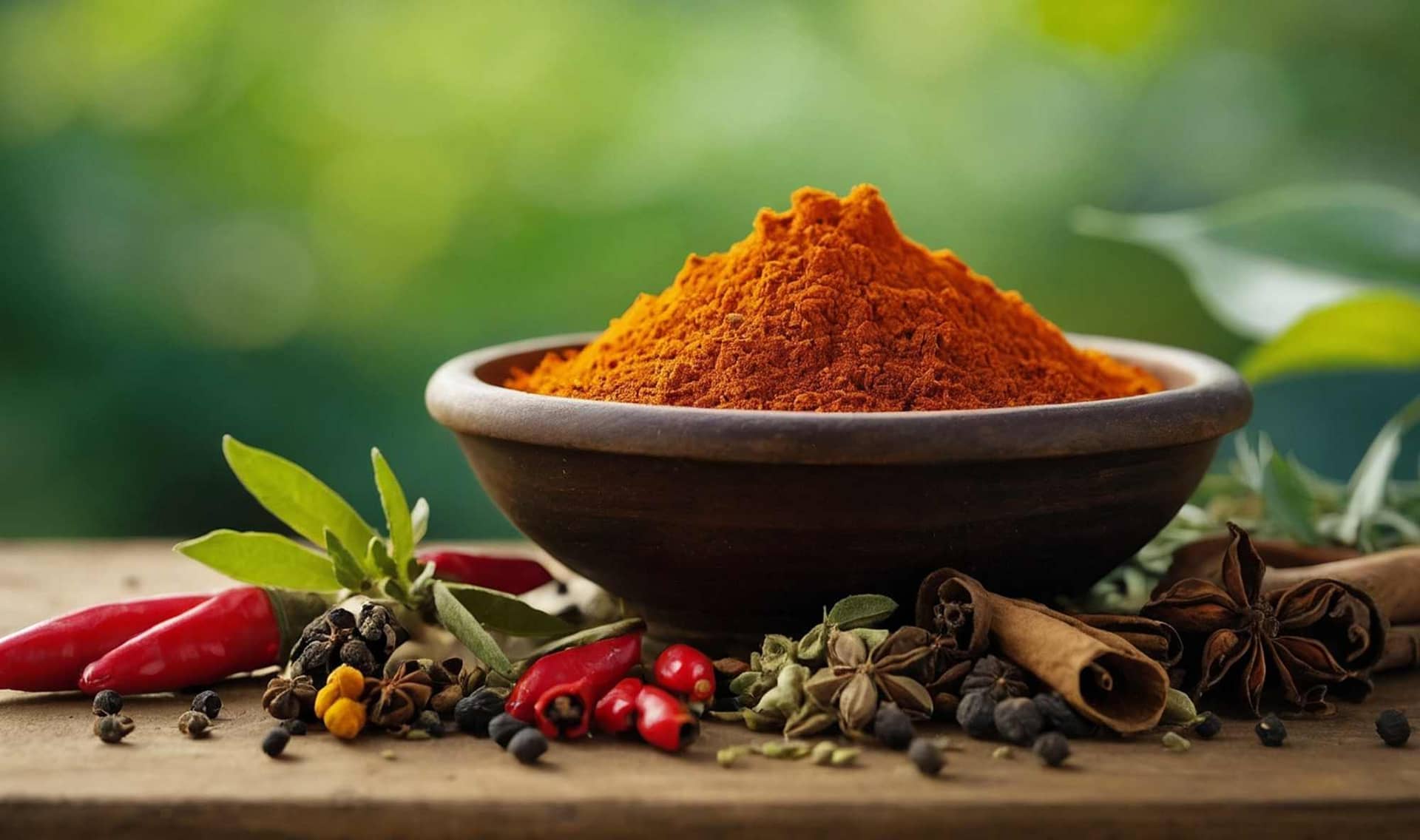
7 Herbs and Spices That May Help Boost Your Immune System
Fall is a spectacular time of the year with the leaves turning colors and the pumpkins ready to be picked. The weather is getting crisp and it is time to warm up with a cozy sweater and a cup of herbal tea. What you put in your tea could make a real difference in keeping you healthy during the cold weather season.
Nutrition plays an important role in keeping you healthy, according to Real Simple. When you think about foods that are associated with your immunity, you usually think about citrus fruits and fermented foods. While both are important, some of the best immunity boosters are actually in your spice rack. While you don’t use large amounts of herbs and spices they contain health-promoting properties which help your body’s defenses.
When possible, it is best to use fresh herbs and spices because they contain higher amounts of plant compounds like antioxidants and anti-inflammatory. But dried also have benefits because they are more concentrated and last longer. Here are seven that may help to boost your immune system and help ward off colds and flus.
Turmeric
One of the best spices for your immune system is turmeric. One of your immune system functions is to protect you from infection and illness using your own cells including T cells, B cells, and macrophages. The curcumin, the main plant compound in turmeric, promotes the health of these cells. Curcumin also helps to fight inflammation in your body. Chronic inflammation can increase the risk of getting sick.
Your body does not do a good job absorbing curcumin so add black pepper to your food along with turmeric. You can purchase turmeric as a fresh root that you can grind yourself or a dry powder in your local supermarket.
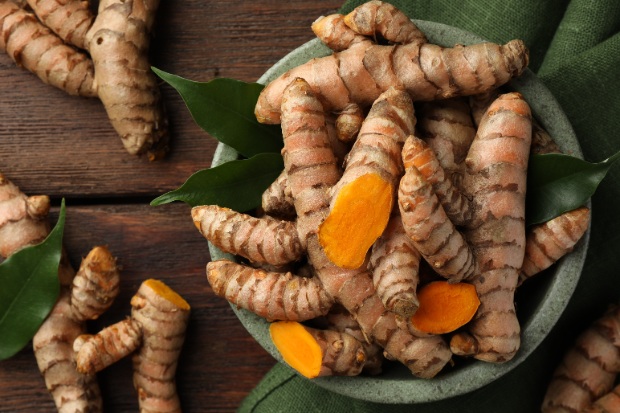
(New Africa / Shutterstock.com)
Ginger
Ginger is best known for its spicy and slightly pungent flavor, and it is used in many fall recipes. But did you also know that ginger is also used as a medicinal herb because of the gingerol , an anti-inflammatory and antioxidant, it contains? Gingerol suppresses the inflammatory process, plus it helps to reduce free radicals and oxidative stress that can cause serious conditions like heart disease. You can buy ginger roots or dried ginger and enjoy some in a cup of ginger tea.
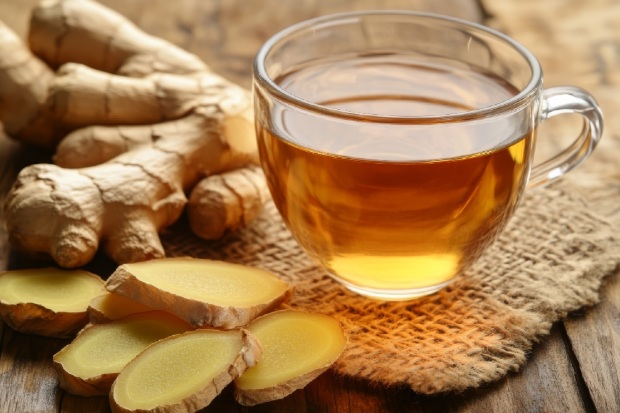
(eQuinox Studio / Shutterstock.com)
Echinacea
Echinacea is an herb and a flowering plant that is related to sunflowers, according to Health. This plant has been used to stimulate the immune system to help your body fight off colds and infections. It contains antibacterial and anti-inflammatory properties. One review of studies found that echinacea lowered the odds of catching the common cold by 58 percent and cut the length of the illness by one to four days. That’s why it is found in lozenges and herbal supplements. You can purchase echinacea as a supplement, a tincture or you can also brew echinacea flowers into a tea.
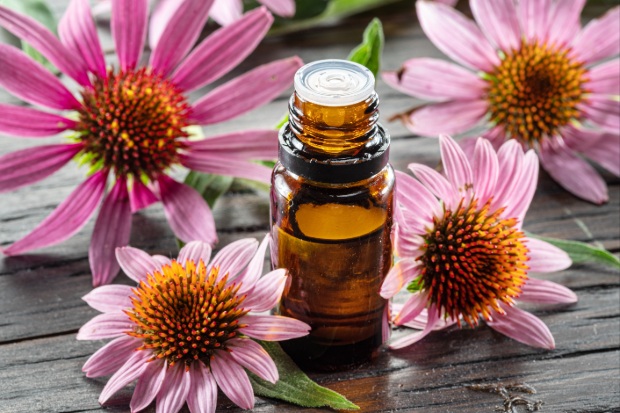
(Valentyn Volkov / Shutterstock.com)
Cinnamon
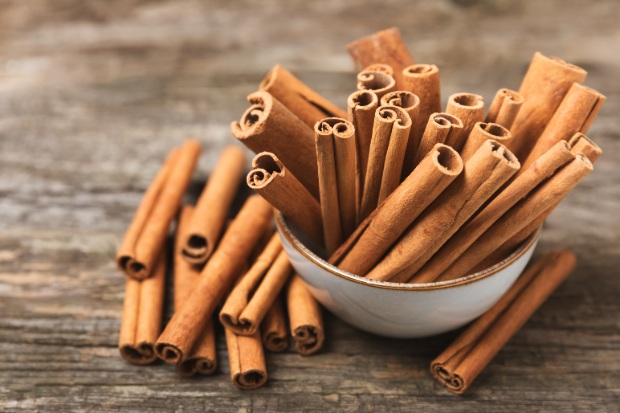
Cinnamon is a warming spice that is extremely popular in baking and seasonable dishes. It is rich in coumarin, antioxidants, antifungal and has antimicrobial properties that could slow the growth of bacteria like listeria and salmonella. There are two types of cinnamon, Ceylon, and Cassia, but Cassia is what is found in local supermarkets. Cinnamon is available in whole sticks or ground powder.
(Avocado_studio / Shutterstock.com)
Garlic
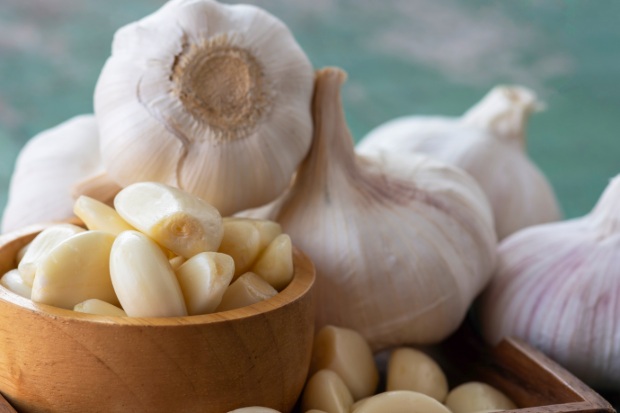
Garlic is part of the allium family and is related to onions, shallots, leeks, and chives. All of these contain allicin which has antifungal, antibacterial, antiviral, and antimicrobial properties that are known to fight off illnesses. Allicin also has antioxidant effects that fight cell damage form oxidative stress.
Garlic adds a delicious savory flavor to any dish it added to from pasta to vegetables and even for cooking meat or chicken. While technically a vegetable, the processed forms are considered a spice. You can purchase garlic bulbs fresh and crush the cloves, or you can purchase garlic flakes or garlic powder in a grocery store.
(Narong Jhanwattana / Shutterstock.com)
Peppermint
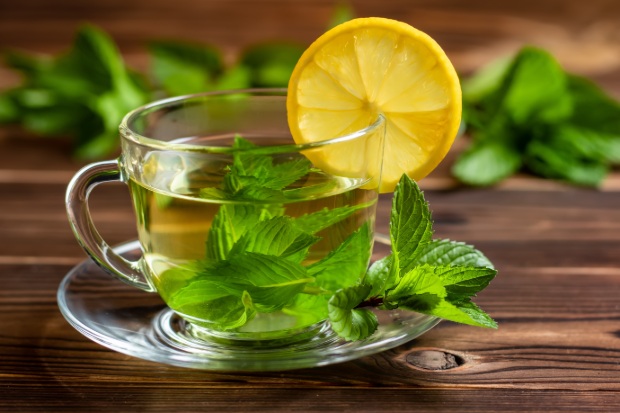
Peppermint, according to Everyday Health, is an herb that contains a large amount of flavonoids; plant compounds are beneficial for immune health. Peppermint also contains menthol, a plant compound with anesthetic and pain killing effects. Menthol can help relieve congestion and that’s why it is added to over-the-counter remedies for colds and flu. You use peppermint oil in steam to help you breathe better or enjoy a hot cup of peppermint tea.
(Skrypnykov Dmytro / Shutterstock.com)
Paprika
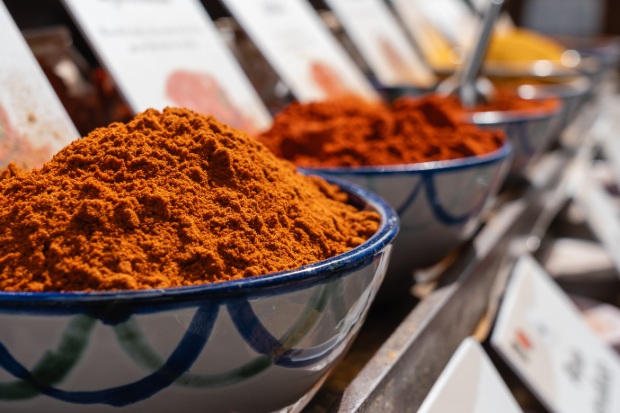
While it seems odd to include paprika – dried red pepper – in an article about boosting immunity, it really does belong. That’s because red peppers contain Capsaicin, the compound that makes the spice hot. It can also help relieve pain and inflammation. Paprika also contains vitamins A and C, and both are good for your health. Vitamin A plays a large role in your immune responses and vitamin C is an antioxidant that could reduce the duration of the common cold. There is a large variety of paprika sold from mild to hot, smoked, and as an oil.
(Lucegrafiar / Shutterstock.com)