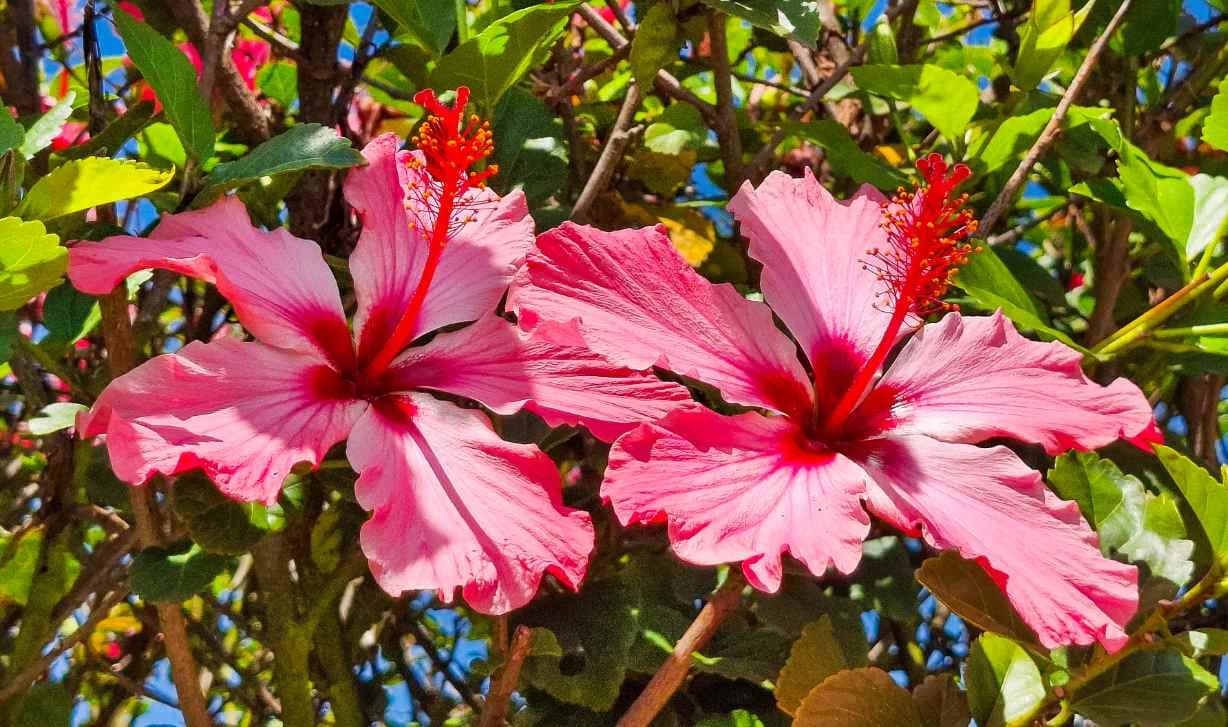
The Health Benefits of Hibiscus Tea and Hibiscus Water
It turns out that hibiscus, the tropical plant that has become a favorite the world over due to its sumptuous, colorful blooms, has another role to play in our lives: Its wellness-boosting properties.
This flowering plant native to equatorial regions of Africa and Asia, as Brewing Beauty Co details, may offer a myriad of health benefits that are piquing the interest of more health-conscious consumers. In many world regions, hibiscus has been consumed and used in beauty preparations for generations, due to these multiple perceived health and wellness benefits.
Health-Giving Hibiscus
Not all hibiscus varieties are fit for human consumption. While several varieties of hibiscus plants have edible flowers, as the Chestnut School of Herbal Medicine highlights, the hibiscus used medically, also called roselle, is made from the crown-like calyces which sit at the base of the flower, right below the colorful petals of Hibiscus sabdariffa in the mallow family. It has been cultivated for thousands of years as a food, medicine and fiber crop in northern Africa, but can be grown from seed in more temperate climates.
As this remote-learning school points out, hibiscus has a long list of health giving herbal actions. These include anti-inflammatory, antioxidant, cholesterol-lowering, diuretic, and hypotensive (blood pressure-lowering) benefits. Indeed roselle has been used medicinally in diverse cultures as it is famed for its diuretic, hypotensive and antimicrobial properties.
In Mexico, for instance, roselle is respected as a natural liver and kidney tonic, as well as a traditional weight-loss remedy. With its soothing qualities, roselle preparations assuage colds, mouth sores, and sore throats. According to the school, this herb has demonstrated antibacterial effectiveness against assorted bacteria in studies.
The Week quotes a 2022 review examining 17 randomized controlled trials, which found that hibiscus exerted a significant reduction of systolic blood pressure. According to the American Heart Association, this is the upper number in a blood pressure reading, measuring the force of blood against our artery walls when our heart beats and squeezes out blood. Further, in four studies pitting hibiscus against conventional blood-pressure medications, the herbal drink demonstrated similar blood pressure-lowering results.
La Plantation is a Cambodia-based, French company, cultivating and promoting Cambodian organic produce worldwide. It praises particular varieties of hibiscus for their detoxifying , digestive benefits, making them an excellent addition to natural detox routines. It also emphasizes its hypotensive benefits, and its anti-inflammatory and soothing boons that can soothe joint pain, and inflammatory digestive conditions.
Importantly, despite its multitude of nurturing properties, hibiscus isn’t for everyone. Pregnant women need to avoid it as it may stimulate contractions. People on blood-pressure medication, or with low blood pressure, are advised to limit consumption as it has hypotensive effects.
Hibiscus in Drinks and Foods
Perhaps the best-known way to consume hibiscus flowers is in hibiscus tea or in a cool cordial. With its high levels of vitamin C, soluble fiber, minerals, and antioxidant flavonoids, this tea is seen as a particularly healthy herbal infusion.
According to Health, for instance, the consumption of antioxidant and plant compound-rich chilled hibiscus water may support heart and brain health by reducing cholesterol, blood pressure, and inflammation. Regular consumption may strengthen immunity and gut health, as well as manage allergies due to its anti-inflammatory and antioxidant effects. Additionally, as a low-calorie alternative to sugary drinks, hibiscus water can support weight management and boost kidney and urinary health.
The Chestnut School of Herbal Medicine details that hibiscus is popular in the Caribbean and Central America as a delicious iced herbal tea mixed with sugar. It is known as sorrel in the islands, and “agua de flor de Jamaica” in Mexico. Hibiscus is also popular in Africa and South America as a beverage.
However, there are other culinary uses for hibiscus. For instance, its young leaves are high in soluble fiber like oatmeal and okra, which have a tart taste. They can be eaten raw or cooked and feature in many tropical cuisines.
The sharp flavor of the calyx at the base of the hibiscus flower is often compared to cranberry and rhubarb, and eaten raw or cooked, suiting both sweet and savory items. With a sour taste, and natural pectin content, it is used in tangy jams and sauces, in pies, or infused in honey.
A Floral Beauty Boost!
Company La Plantation highlights that in addition to culinary applications, hibiscus is valued in natural skincare and haircare. When used as a hair mask, it is held to strengthen the hair, and restore shine. It is also said to boost vitality due to its antioxidants.
In skincare, the addition of hibiscus with its moisturizing and astringent properties is believed to help brighten the skin, and maintain elasticity. Further, rich in polyphenols and flavonoids, which as Healthline explains, are natural plant compounds with antioxidant properties, hibiscus may help combat oxidative stress, potentially slowing cellular ageing.
According to the Brewing Beauty Co, hibiscus extract in cosmetics can help exfoliate, brighten and rejuvenate skin. This is thanks to its wealth of antioxidants, vitamins and alpha hydroxy acids (AHAs).
In addition, It can promote cellular renewal, improve skin tone and texture, and diminish fine lines and wrinkles. Its astringent properties, meanwhile, can fight acne, helping tighten pores and limit oil production.