‘Miracle Fruit’ Helps Cancer Patients Enjoy Their Food by Changing Taste Buds
One of the most enjoyable things in life is eating a delicious meal. You give your taste buds a treat when you savor every bite. That’s because your tongue has 2,000 to 8,000 taste buds that help you take in the world around you and allows you to enjoy the food you eat.
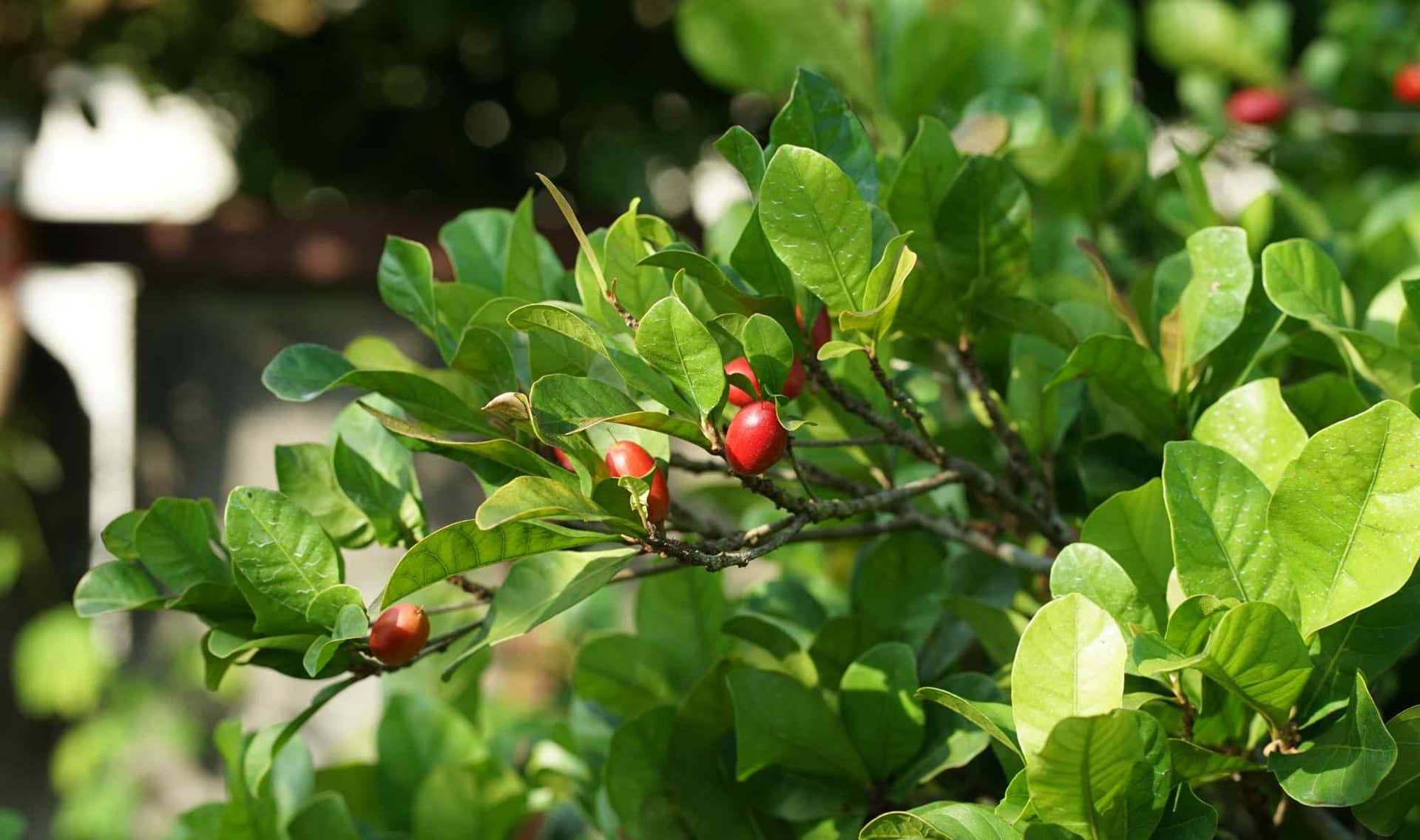
Some people have lost their sense of taste from Covid or other diseases and many cancer patients have lost their ability to enjoy food due to chemotherapy. CBS News reported that chemotherapy frequently causes “Chemo Mouth” which is a persistent unpleasant metallic taste. But now, a small red berry, synsepalum dulcificum, also known as the “miracle fruit,” is changing this for cancer patients.
The miracle fruit is helping patients reclaim the ability to enjoy their food because of the effect it has on taste buds. Julie Ascen, a patient who has been battling MALT lymphoma for almost a year told CBS News: “When I tried the miracle fruit for the first time, my whole life changed. It made the food taste better.”
How Does the Miracle Fruit Change Taste?
The small berry grows on an evergreen bush that is native in West Africa, according to News Medical. The fruit has been used in traditional medicine to treat health conditions like coughs, malaria, and diabetes. The berry has also been used to enhance the flavor of sour or bitter foods and beverages.
But how does it work? The pulp of the small red berries contains the glycoprotein miraculin which interacts on the human tongue to modify the taste bud’s perception of acidic foods.
When people eat acidic foods or drink acidic beverages, the interaction with the berries activates the sweet taste pathways. This effect lasts from around 30 minutes to two hours.
Since taste disorders are prevalent in patients undergoing chemotherapy, a triple-blind, randomized trial, published in Nutrients, investigated the use of the miracle fruit in preventing malnutrition in cancer patients. While clinical trials are still ongoing, the expected outcome will demonstrate whether miraculin-rich foods can help improve the quality of life in cancer patients.
Playing a Supportive Role
Dr. Mike Cusnir, an oncologist at Mount Sinai Medical Center in Miami, Florida, was involved in some of the first research about the impact of the fruit on patients who have experienced taste changes, according to CBS News. But he is clear about what the berry can and can’t do.
“It is not a miracle cure,” he said. Cusnir describes the miracle fruit as a supportive tool that allows patients to get the nutrition they need to continue chemo and fight cancer.
The miracle fruit berries used in the US are grown in Florida, but they are very delicate and can lose their potency in 48 hours if not frozen. Today, the fruit is available frozen in cubes.
For Ascen, the impact of the berries is much more than improving the taste of food. The miracle fruit gives her back a sense of control that chemo took away.
“It is one of those miracles that, if you have this disease, you want to live your life and not have it control you. And this lets it not control me; I can control myself.”
A small berry grown in Southern Florida is making a big difference for cancer patients, one life-sustaining and enjoyable meal at a time.