Practicing Community Care Instead of Self-Care Encourages Social Support Systems
Self-care has been the catch phrase for taking care of your own wellbeing. Social media influencers tell you to take time for yourself by having a massage, taking a yoga class, or resetting your Sundas. All this advice tells you that if you want to feel better, you need to do the work yourself.
But is that really necessary? Experts like Nakita Valerio, a Toronto-based community organizer and researcher suggested that there is another way, according to Mashable, community care. She said that the differences between self-care and community care are like day and night. That’s because self-care puts the onus of compassion on just one person – you – and community care could involve single digits of people or hundreds of people.
What is Community Care?
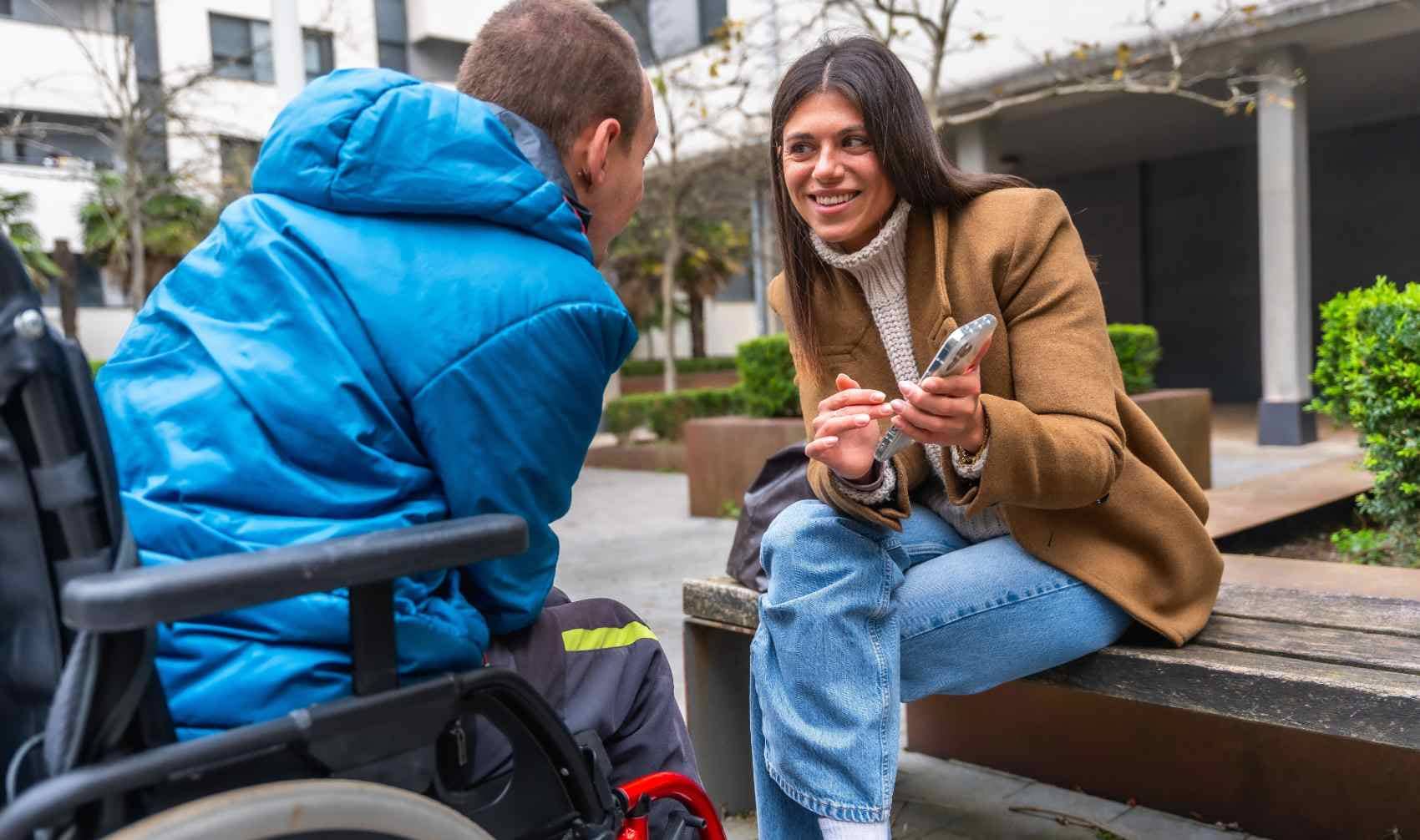
Community care has long been known in the nonprofit world and social movements, but it is not widespread in mainstream culture. That is because it hasn’t spread on social media. Community care is the actions performed by one person to benefit others in their life.
“Community care can look like a lot of different things,” Valerio told The Mashable. “It can be as simple as reaching out to somebody over text when you just need someone to talk [to]. It can be someone grabbing groceries for you or … somebody coming and doing your dishes and watching your kids while you’re grieving.”
Community care can be compared to an extended family where people are connected to and perform acts of kindness and compassion for one another. Besides interpersonal acts, there are more structured ways of doing community care including support groups, nonprofits, and neighborhood groups.
How to Shift Your Mindset to Community Care
Valerio discovered the importance of community care firsthand when she was suffering from postpartum depression. She turned to a community of doulas who specialized in postpartum issues to help her deal with her own trauma. This taught her that self-care was not enough, she needed a community to heal.
You don’t have to discover this on your own, people are hardwired for human connection, according to Healthline. People have a need to give and receive love. Going from self-care to community care requires a shift in mindset to consider the needs of family, friends, colleagues, and neighbors as important as your own.
There are easy steps that you can take to show compassion and empathy for others. Having empathy is understanding and feeling what someone else is experiencing. It could be a coworker who is taking care of children alone or elderly neighbors who need help to get to appointments. It doesn’t mean you have to do it yourself; you can find community resources that can help lighten the load.
If you want to help, don’t just tell someone to let you know how you can help, come up with a specific offer. Part of community care is being able to assess what people need and offer to provide it. Offer to fix a leaky sink or to provide a hot home cooked meal for a sick neighbor.
Intervene when someone needs help. Step up when someone is being bullied or discriminated against. At work, this could help diffuse the situation. Speaking up for others is an important part of community care. Learning to care for one another is a better way to live.