Indonesian Women Pooling Their Efforts to Protect Valued Coral Reefs
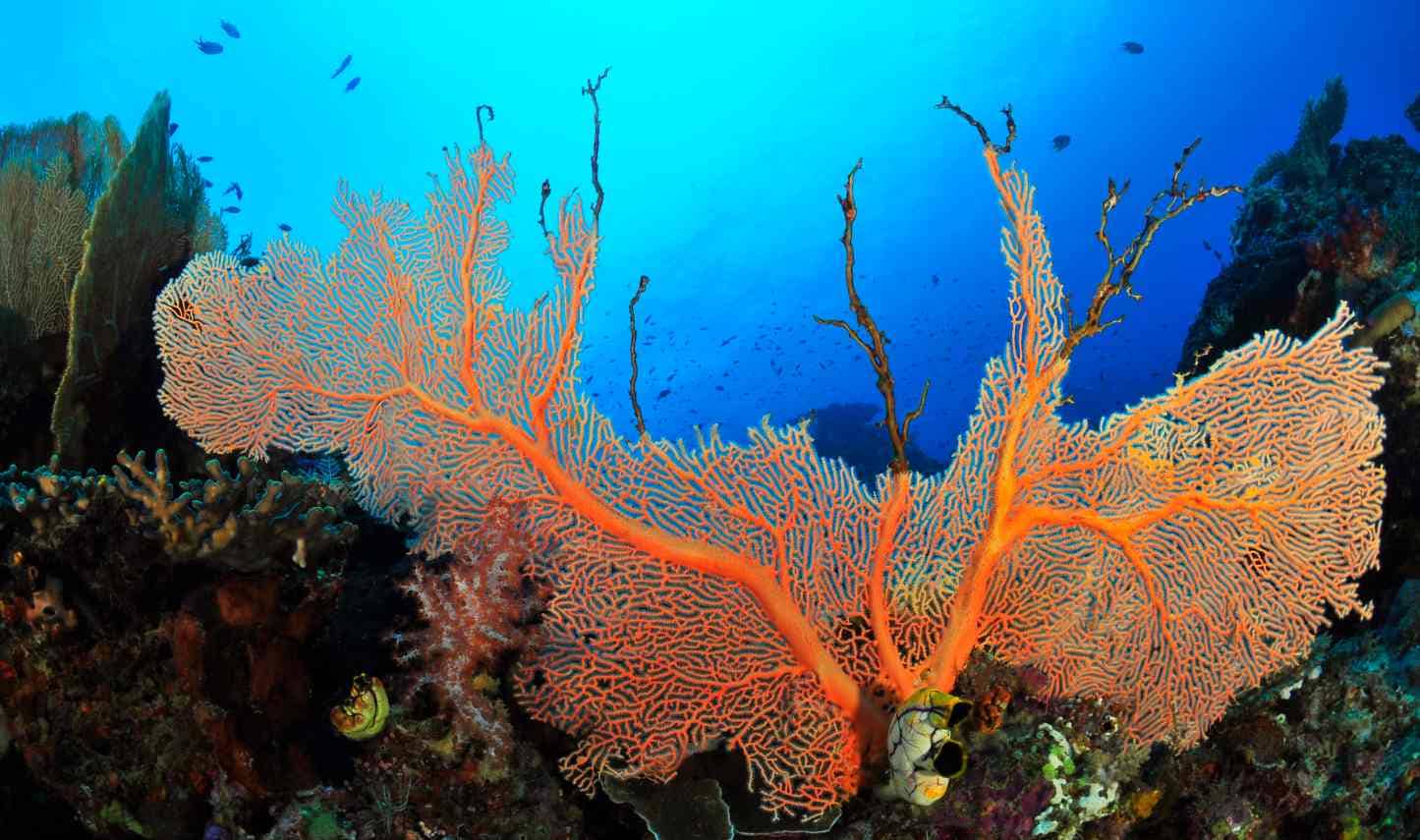
As precious coral reefs around the world face alarming decline, a dedicated sisterhood of Indonesian women is pooling its efforts to protect these vital ecosystems and contribute to global reef restoration.
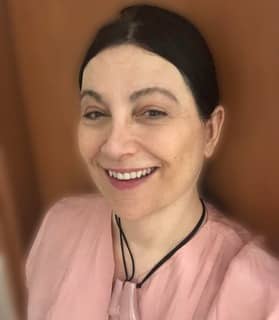
These “superwomen” are being mentored by Rose Huizenga, a Dutch former scuba-diving instructor, who is committed to empowering Indonesian women to pursue their ocean conservation dreams, and narrow the gender gap in marine science, as environmental news portal Earth Org reports.
Although rooted in local communities, the nonprofit Huizenga founded, Coral Catch, has already made its mark on the global conservation stage. In 2024, Huizenga took first place in the Blue Water Heroes Awards, which recognize outstanding contributions to marine conservation, and celebrate individuals driving meaningful environmental change.
Working on Gili Air as a scuba diver, Huizenga became increasingly saddened by the archipelago’s declining marine biodiversity.
In 2015, she was moved to set up a conservation group dedicated to protecting sharks in the Gili Matgra Marine Reserve. This initiative brought visitors into the reserve to collect data, and trained them to conduct underwater surveys. But the COVID-19 pandemic halted this project, just as Huizenga became a new mother.
With time to reflect, Huizenga began thinking about how she could fund conservation projects without relying on volunteers and tourists. Then came her eureka moment: a United Nations call for organizations seeking grants for coral restoration sparked a simple but potentially transformative question — what if she worked exclusively with local women?
That lightbulb moment prompted this intrepid conservationist to turn to social media, inviting local women to apply for scholarships to learn how to establish their own coral restoration projects
Friends and family had their doubts. Would the women be able to travel far from their families across the Indonesian archipelago? Would they be able to carry the equipment and manage the demands of underwater restoration work?
Huizenga soon discovered there was little reason for concern. Some 150 women from across Indonesia applied, eager to learn, dive, and take part in restoring their country’s coral reefs.
And with that overwhelming response, Coral Catch was born.
The Rise and Rise of ‘Coral Catch’
Today, the Coral Restoration Foundation recognizes Coral Catch as Indonesia’s first all-female coral restoration program. Its mission is twofold: to empower local women to protect and restore Indonesia’s coral reefs while helping close the persistent gender gap in marine conservation.
Through coral restoration scholarships, Coral Catch equips Indonesian women with the skills and confidence to pursue careers in marine conservation. As the nonprofit explains: “Our ultimate goal is to build a strong network of 100 female leaders who protect and restore the coral reefs of Indonesia.”
Although this budding organization didn’t make the shortlist for the UN grant that originally inspired Huizenga’s idea, the wheels were already turning. In 2021, the organization secured funding for a pilot program, bringing together four women for an intensive nine-week training program. They learned the diving, research and conservation skills needed to establish, maintain, and monitor a coral restoration site.
As Reasons to be Cheerful emphasizes, coral reefs are delicate ecosystems that require long-term monitoring, maintenance and care. Coral nurseries need constant tending and data needs to be collected continuously to understand if restoration efforts are working.
Since that first pilot, Coral Catch has trained a growing network of local “superwomen” in the technical skills of coral restoration, alongside management and communications The aim is not simply to create skilled conservationists, but role models who can inspire other women to enter the field.
Community engagement is equally important. Successful marine conservation work depends on the people who live alongside these ecosystems. Coral Catch participants therefore take their message into schools and other community settings, raising awareness and helping local communities develop a deeper sense of ownership over their marine environments.
Just as importantly, the program brings together women from diverse backgrounds, who share many of the same experiences, challenges, and aspirations. Through intensive training, and hands-on conservation work, they build friendships, trust, and a supportive sisterhood — a safe space that gives them the confidence to challenge traditional gender barriers and a springboard from which to pursue careers in marine science.
The impact extends beyond the reefs. As Huizenga tells with Reasons to be Cheerful, creating a new conservation workforce has an economic as well as ecological dimension. In many small island communities, employment opportunities for women can be limited or seasonal. Coral Catch offers another pathway — one that combines meaningful employment with environmental stewardship.
And along the way, something unexpected has flourished: a powerful sense of friendship and belonging.
Jessica Levy, Director of Restoration Strategy at the Coral Restoration Foundation, has also highlighted the tangible joy and sense of community among the Coral Catch women — many of whom might otherwise have never had access to active conservation roles: “What struck me most was that the program creates access to the marine world for women who might never have had the chance to experience it otherwise. That empowerment, that sense of belonging, cannot be quantified — but it is no less powerful than any ecological result. “
Meanwhile, Huizenga has continued to build bridges with marine conservation experts, inviting them to serve as mentors. By sharing their knowledge and experience, they help strengthen the skills and confidence of this brave band of Indonesian guardians of the reefs.
Perhaps the spirit of Coral Catch is best captured in the words of our short film about this remarkable sisterhood: “Most of us were told that the ocean is no place for us. But like the tide, we return. Through pressure, through fear, through every barrier. Where the ocean has lost its color, we work to bring it back. With strength and with care. When we dive, we promise to restore what’s broken and to save what’s left. To study, to understand. We carry the ocean’s message. She’s something to love, to protect. So, we plant and grow. Here, we found our sisters and together we care for the ocean so we can thrive once more.”