3 Easy Ways to Incorporate Meditation Into Your Daily Routine
By Boaz Mizrahi
People tend to stick to things that are comfortable and fit naturally into routines. Many individuals have a more or less fixed daily routine, and every new habit they adopt must find a place in the existing structure. When it comes to adopting a new habit and maintaining it over time, the less it disrupts daily flow, the greater the chance of integrating it into everyday life.
This approach makes it possible to introduce one of the most researched habits of recent years into our lives — meditation. Psychologists and neurologists have placed this ancient tradition in a new light and revealed its benefits to a much broader public: improved cognitive performance, better health, and peace of mind are just some of the results of practicing meditation.
Mingyur Rinpoche is a Tibetan master from a Buddhist lineage who began learning meditation with his father at age 9. Today, as the head of a worldwide meditation center and with countless hours of practice behind him, he explains to the Huffington Post that 3 seconds are enough to practice meditation. And if you’re pressed for time, even 2 seconds will make a difference.
How to Tame the Monkey Mind
A person sits on the ground with their legs crossed, wearing a loose white shirt and wide pants covering their legs. Their hands rest on their knees, their fingers forming a circle. Their eyes are closed, and they are silent or humming a mantra to themselves. Some people connect with this familiar image of yoga practice, but according to Rinpoche, it does not have to be part of the experience at all. Meditation can look completely different and, in fact, may not look like anything at all.
“You can practice meditation anytime, anywhere, even for two or three seconds,” Rinpoche claims. He adds it can be practiced on a walk, during a meeting, or while drinking coffee or tea.
“Many people have a small misunderstanding about meditation,” he continues. “They think it means not thinking about anything, concentrating [intensely].” But meditation is not intended to eliminate thoughts and emotions completely, but rather to avoid being controlled by them. Rinpoche argues that thoughts and emotions are indeed essential in our lives, but the question is one of hierarchy — does the monkey mind, as he calls it, control us, or do we control it?
“The monkey mind chatters a lot and gives you an opinion. But whether to adopt that opinion is your choice, right?” Meditation is intended to help us gain greater control over the opinions we accept from the monkey mind, and to do so, we need to find something to keep it occupied.
The simple way to occupy the mind is to be aware of our breathing. That’s the big secret. “As long as you don’t forget your breathing, everything is fine. You don’t need too much concentration, just be aware of your breath, even one or two breaths.” Our breathing and our thoughts accompany us everywhere, so according to Rinpoche, whenever you stop to focus on your breathing, you are actually practicing meditation effectively.
Three Meditation Practices to Incorporate in Your Routine
We can practice meditation at any moment in our lives, but for those who wish to incorporate the practice into their routine in an organized way, it can be done in a variety of ways. Here are three simple ways to incorporate meditation into activities that most of us already do, to one degree or another.
Walking Meditation
Walking provides ideal conditions for meditation: a slow pace, monotony, and a low heart rate that allow us to maintain a high level of awareness and provide elements to focus on — whether these are rhythmic breaths, the movement of the legs, or bodily sensations.
While walking, whether for exercise or to get from one place to another, try to think about your breathing, Rinpoche explains. The steady pace makes it possible to maintain this focus for more than a few seconds and to practice the more difficult part — returning your concentration to your breathing after your mind has wandered.
You can also pay attention to the steps themselves, meaning truly concentrating on the way you move your right leg forward, trying to think about what your left leg is doing at that moment, and vice versa.
Spending Time in Nature
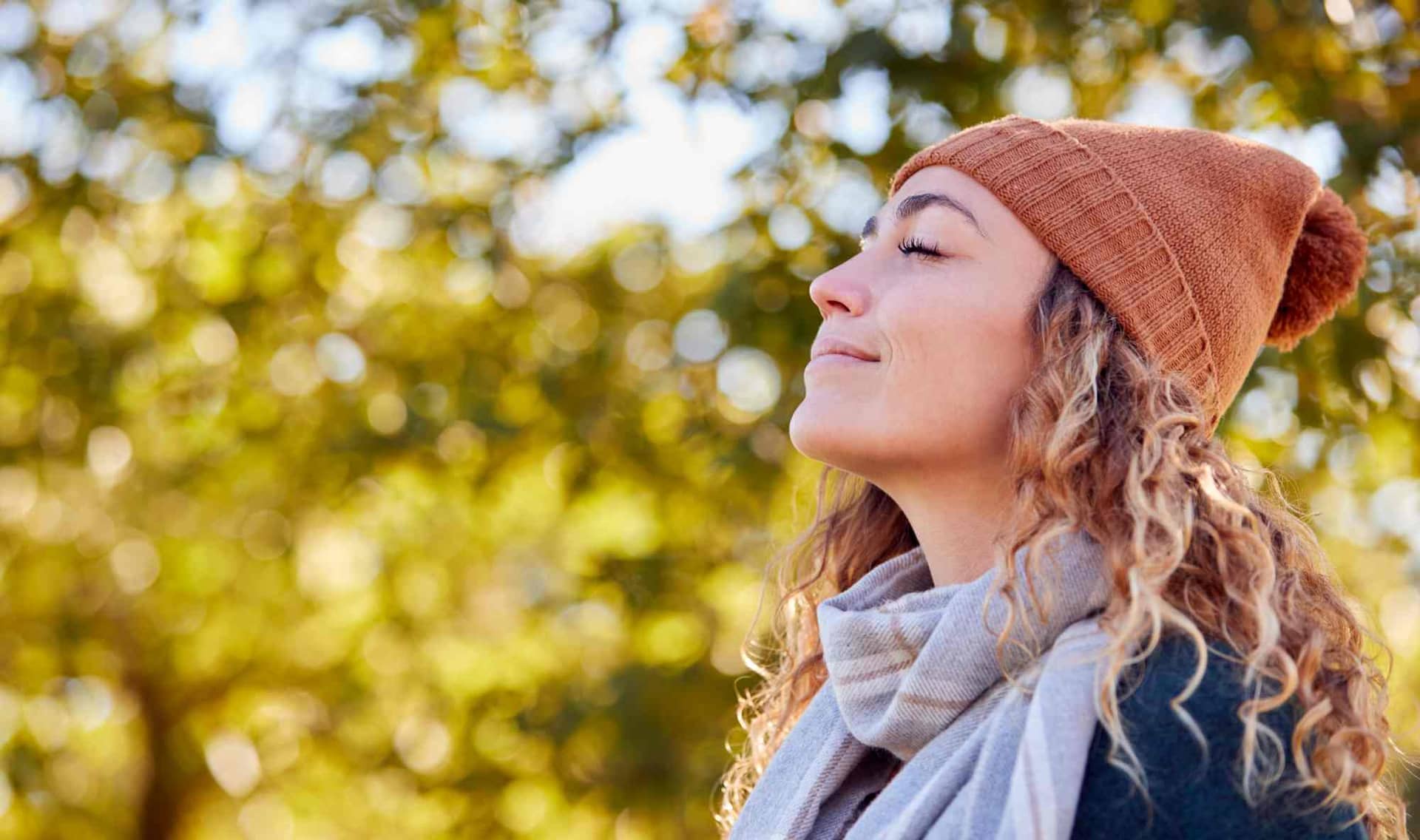
Nature is everywhere and provides an atmosphere perfectly suited to concentrating on our breathing. The relative quiet that characterizes natural spaces compared to the noise of the city gives us an excellent opportunity to practice external stillness.
Many studies point to a direct connection between spending time in nature and significant improvements in happiness, health, and tranquility. What could be better than joining forces and using the benefits of nature to enhance the benefits of meditation?
This is a double benefit, and each activity can also serve as an excuse to do the other: if you are more inclined to practice meditation, this is an opportunity to do it in nature, and if you are the type of person who loves spending time outdoors, meditation is an excellent way to enhance the experience.
Meditating Before a Nap
A blog on Tiny Buddha suggests a surprising and interesting type of meditation — practicing before a nap. The intention is not nighttime sleep or practicing in order to fall asleep, but rather exactly as stated: combining a nap — an afternoon nap, if you will — with mental practice. You can try lying down on a bed, on a couch, or on a pile of pillows in an empty bathtub, shutting your eyes, and doing absolutely nothing at all.
The time before a nap is particularly prone to mental turmoil. Precisely because of this, the practice may have a positive influence on nighttime sleep.
While you are lying down, thoughts will indeed arise, and all you need to do is gently return your attention to the relaxation. Concentrate on your body’s position, the release of your muscles, the soft touch of the surface beneath you, and, of course, your breathing.
This technique doesn’t necessarily have to take place during the afternoon. Meditation can take place at any time. Even 5 minutes of drifting to sleep after a day at work can be enough to practice meditation.
These three methods offer simple ways to fit meditation into your daily routine while enjoying the benefits of other relaxing activities. But these are only recommendations. Remember that meditation practice will enter your life wherever it is most convenient for you. If walking, spending time in nature, or napping are not part of your daily life, it is worth stopping to examine where meditation can fit into your daily routine.
The Essence of Life magazine provides knowledge and practical tools for a more conscious and meaningful life. The nonprofit organization behind the magazine, Essence of Life, was founded by businesswoman, philanthropist, and Goodnet founder Shari Arison. Part of the Arison Group, the organization works to raise awareness and foster inner peace.