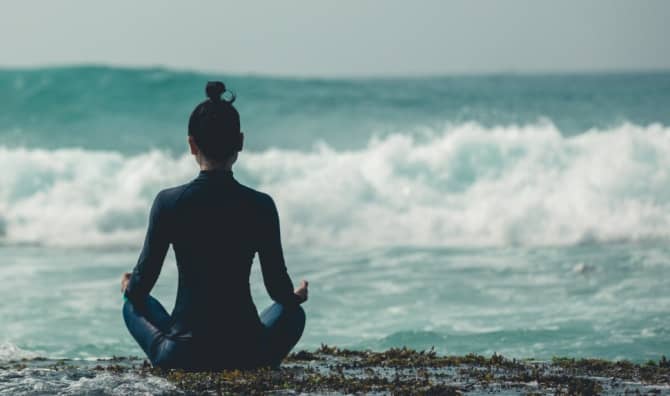
Taoist Meditation Techniques to Cultivate Inner Peace
Taoist meditation offers a quiet path back to balance. Rooted in ancient Chinese philosophy, it emphasizes harmony between body, breath, and nature. Rather than forcing stillness, it trains your awareness to flow with life as it is.
According to The Collector, Taoist practice centers on aligning with the Tao, or natural order, through simplicity and non-resistance, often described as moving with life rather than against it. In practice, this shows up as relaxed awareness, helping you observe thoughts without attachment and cultivate inner peace.
Breath Awareness and Natural Flow
Taoist meditation invites you to slow down and return to natural rhythm through breath and awareness. Instead of forcing stillness, you notice the breath as it rises and falls on its own, allowing the body and mind to settle without effort.
According to China Daily, Taoist breathing practices emphasize aligning with the natural order, by observing breath as it naturally moves rather than directing it. As you stay with this rhythm, mental noise softens and attention returns to a quieter, more grounded state.
This practice extends beyond meditation. You can return to your breath while walking, waiting, or resting, using it as a steady anchor for awareness throughout the day. In Taoist philosophy, this simple attention reflects harmony with natural flow rather than resistance or control. Breath awareness becomes less of a technique and more of a natural way of returning to presence.
Stillness Through Observation
Taoist meditation asks you to notice what is already happening in your mind and body without forcing it to change. Sit quietly and observe thoughts as they rise and fall, letting them move like water instead of resisting them. This kind of awareness softens mental tension and creates space for clarity to emerge naturally. Stillness stops feeling like something you achieve and becomes something you recognize.
According to the American Psychological Association, this type of mindfulness-based observation helps reduce stress by changing how you relate to thoughts rather than eliminating them. Taoist practice uses this same principle, encouraging gentle attention without interference. You notice sensations in the body, sounds in the environment, and thoughts in the mind, all without judgment. This steady observation builds inner spaciousness and emotional balance.
Nature as a Meditation Guide
Taoist tradition often turns to nature as a teacher. Trees, water, wind, and stone become quiet reminders of stability, movement, and flow. The goal is not to escape life, but to align more closely with its natural rhythm.
According to Tricycle, when you sit with nature in quiet attention, you start to pick up on its vibe, like you’ve synced your internal Wi-Fi with the trees instead of your stress. Instead of trying to control your inner state, you begin to notice how steady and unforced everything in nature already is.
In Taoist practice, that same approach turns inward. Rather than getting pulled into every thought or emotion, you simply notice them as they pass. Life feels less crowded, more spacious, and stillness tends to arrive on its own..
Inner Balance in Daily Life
Taoist meditation does not end after formal practice, stressed Mindful. It carries into ordinary moments when you choose awareness over autopilot. When you bring attention to simple actions like breathing, walking, or pausing between tasks, each moment becomes a quiet opportunity to return to balance instead of getting swept up in momentum.
Integrating mindfulness into your daily routines helps stabilize attention and reduce stress.. Taoist practice follows the same path, encouraging you to meet life with less resistance and more presence. Over time, inner peace stops feeling like something you practice and starts feeling like the way you naturally move through your day.