
7 Foods to Eat for a Smoother Luteal Phase
The week or two before your period, known as the luteal phase, brings a whirlwind of changes, including shifting hormones, lower energy, and sudden food cravings. You might find yourself reaching for something sweet, like a mouthwatering piece of chocolate, even when you weren’t craving it moments before.
However, while sugar and carbohydrate cravings may feel especially strong, hormonal changes during the luteal phase, which takes place after ovulation and before menstruation, can exacerbate premenstrual symptoms, according to British Vogue.
“As progesterone rises serotonin dips, and your brain loves serotonin, which is released quickly by carbs and sugar,” Dr. Tanaya Narendra, an embryologist, tells British Vogue. While cravings may be hard to resist, choosing nutritious foods can support your mood, energy levels, and sleep. Here are seven foods to consider adding to your plate during this phase.
Foods Packed With Fiber
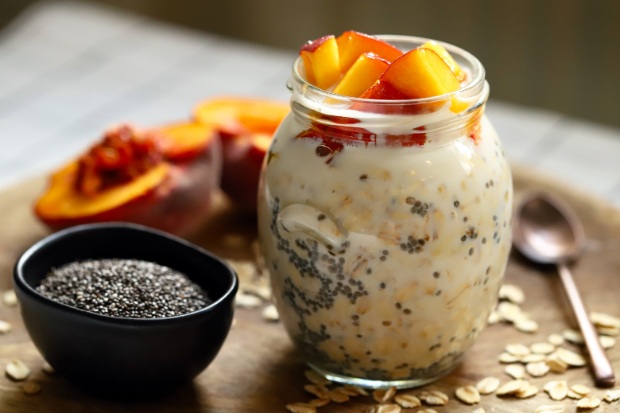
Getting enough fiber can be particularly helpful during the luteal phase. The nutrient can ease constipation and bloating while balancing blood sugar. Great sources include oats, brown rice, whole-wheat bread, fruits and veggies, nuts, flaxseeds, chia seeds, legumes, and beans.
(Oksana_Shyriaieva / Shutterstock.com)
Complex Carbs
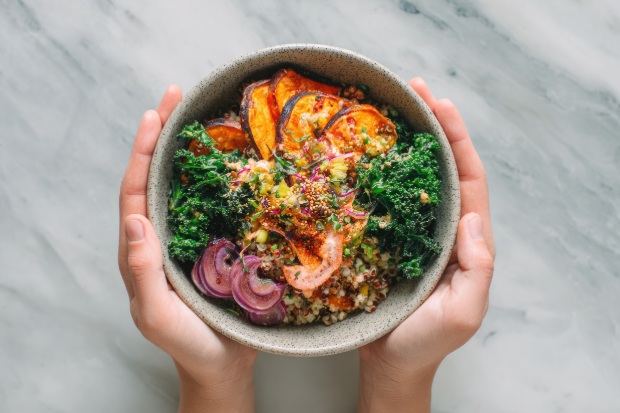
As progesterone levels rise, you may feel hungrier and in need of more energy. Choosing complex carbohydrates over sugary foods can provide steadier energy and aid in preventing blood sugar crashes. Pairing these carbs with protein and fiber can further support blood sugar balance. Tasty options include butternut squash, sweet potatoes, quinoa, and sourdough bread.
(Ferawati Micro / Shutterstock.com)
Protein-Packed Options
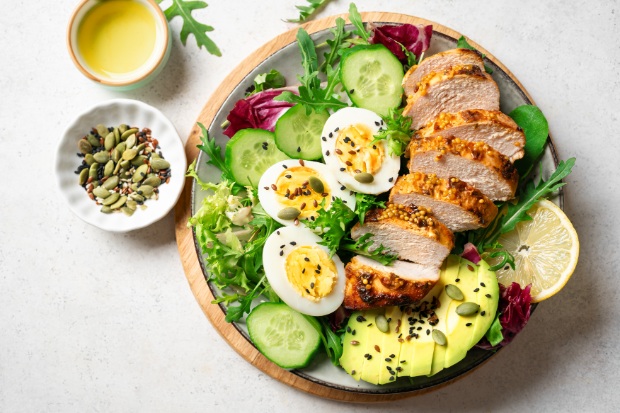
One of the benefits of protein is that it can keep you feeling fuller for longer and more energized. Protein can also support progesterone production, which may play a positive role in mood regulation. Consuming cottage cheese, curd, Greek yogurt, tofu, tempeh, a good-quality protein powder, chicken, eggs, and oily fish can boost protein intake.
(Oksana Mizina / Shutterstock.com)
Iron-Rich Foods
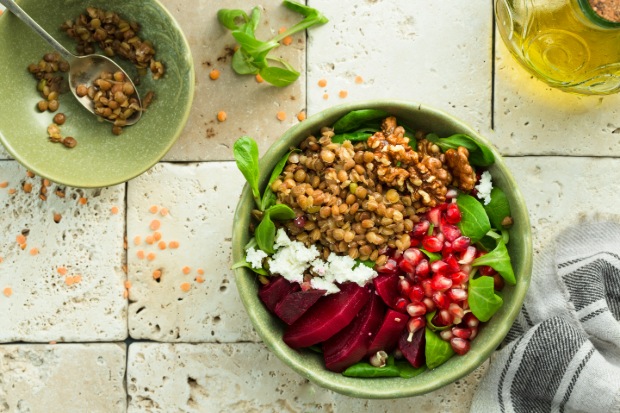
Menstruation can cause iron loss. However, including iron-rich foods in your meals can help you have enough of the mineral and combat fatigue. Vitamin C can aid iron absorption, making it a useful addition to iron-rich meals. Iron-rich foods include red meat, lentils, beans, spinach, and black raisins.
(Patrycja Jadach For Unsplash+)
Fresh Ingredients
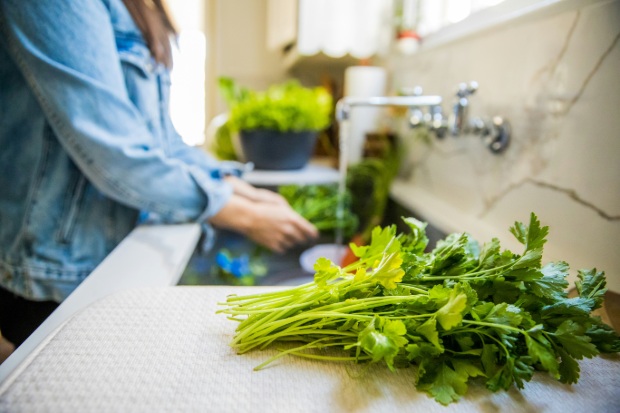
Hormonal shifts during the luteal phase can lead to water retention and bloating, Sarah Marko from The Gut Health Dietitian tells the New York Post. Eating plenty of fresh produce may make a difference in offsetting some of the symptoms associated with a high-sodium diet, including bloating.
“Cooking with fresh ingredients and flavoring meals with herbs instead of heavy seasoning can help reduce overall salt consumption. Highly processed and tinned foods often contain added sodium, so prioritizing fresh foods may support fluid balance and reduce bloating,” she adds.
(Getty Images For Unsplash+)
Magnesium-Rich Foods
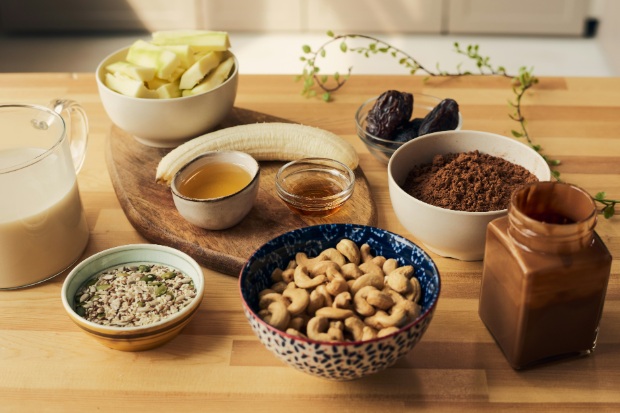
Magnesium is involved in nervous system regulation and muscle relaxation and may contribute to better sleep during the luteal phase, Marko explains. “Foods such as spinach, almonds, cashews, pumpkin seeds and dark chocolate (70% cocoa or higher) are good dietary sources,” she says. Getting enough magnesium may also promote relaxation and ease muscle tightness during the luteal phase.
(Getty Images For Unsplash+)
Omega-3s
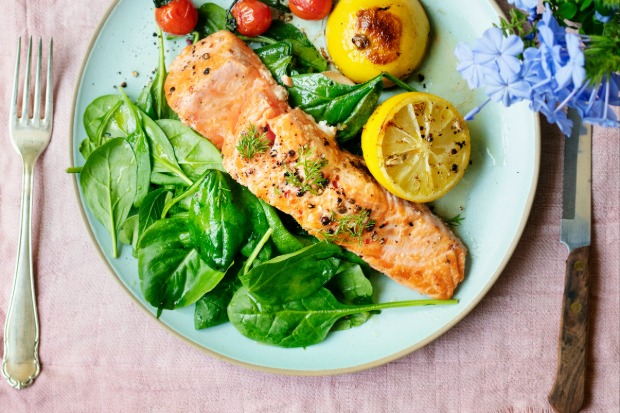
If you want to boost your mood, omega-3 fatty acids may make a positive difference. These healthy fats are associated with lower inflammation. Foods packed with omega-3 fatty acids include salmon, sardines, chia seeds, flaxseeds, and walnuts.
(Curated Lifestyle For Unsplash+)