How Movement Enhances Spiritual Practice
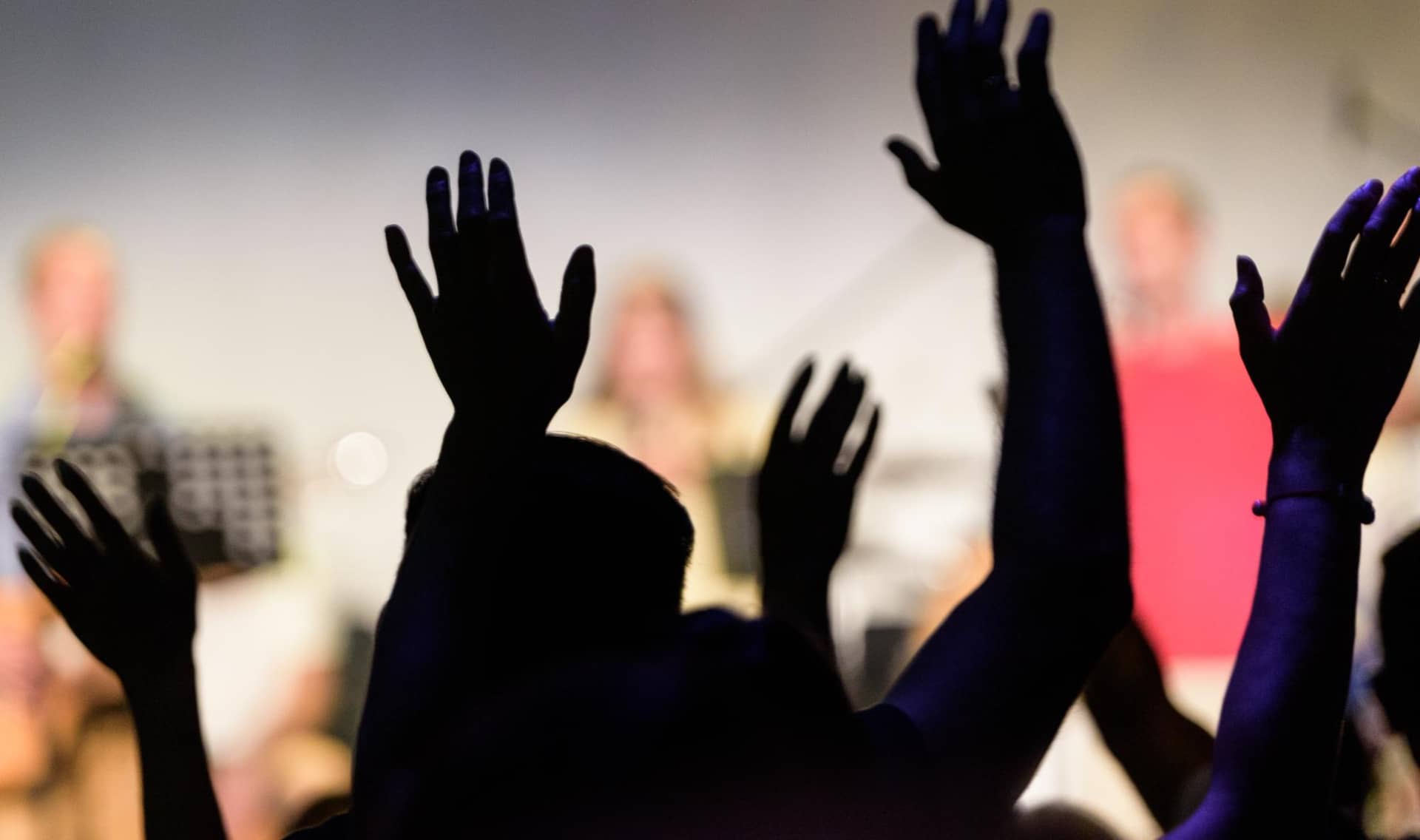
You might think of prayer as spoken words or silent thought. But physical forms of prayer can deepen devotion by bringing your whole body into the experience. When you add postures or movement, prayer becomes something you do, not only something you think or say. That shift anchors your attention in the present moment and creates a deeper sense of focus, presence, and connection.
A blog on the website of the Society for Personality and Social Psychology explains that physical movement during spiritual practice engages both the body and mind, making prayer more immersive and emotionally meaningful. As you repeatedly return to the same postures or movements, you create a steady rhythm that strengthens attention and emotional resilience. Rather than removing life’s challenges, movement prayer helps you remain grounded while moving through them.
Bow to Practice Humility
One of the oldest forms of movement prayer is the Buddhist practice of prostrations, according to Buddha Weekly. During the practice, you lower your entire body to the ground and rise again in a repeated act of humility, devotion, and respect. This rhythmic cycle transforms prayer into a full-body practice, allowing you to express reverence through movement rather than words alone.
Each bow becomes an opportunity to let go. As you repeat the movement, you release pride, soften mental resistance, and return your attention to the present moment. Over time, that rhythm helps cultivate humility, resilience, and a quieter, steadier mind.
Dance Your Prayer
Not every movement prayer happens in silence, stresses a blog on Grand Canyon University. Some traditions express devotion through joyful movement, using rhythm instead of stillness to strengthen spiritual connection. Christian practices such as praise dancing use swaying, clapping, and choreographed movement as acts of worship rather than performance.
As you repeat these movements, your attention naturally shifts away from everyday distractions and toward the meaning behind each gesture. Rhythm becomes a form of prayer, allowing you to express gratitude, reverence, hope, and joy through your body as well as your words.
Let Your Body Lead Your Prayer
Prayer doesn’t always begin in the mind, sometimes your body can lead the way. Jewish tradition often incorporates physical actions that help deepen presence throughout prayer, explained Exploring Judaism. Movements such as swaying, walking, bowing, and gesturing strengthen focus, intention, and emotional connection by fully engaging the body in the spiritual experience.
When your body moves with purpose, your mind has something steady to follow. Rhythm replaces distraction, movement encourages presence, and prayer becomes easier to sustain. Rather than separating your body from your spiritual life, movement prayer brings them together, creating a practice that feels more grounded, natural, and alive.