The 5 Tibetans: A Simple Morning Ritual for Energy and Balance
Your morning routine sets the tone for your entire day. Before emails, errands, and endless notifications begin, a few minutes of intentional movement can help you feel more centered and energized.
The Five Tibetans offer a simple yoga-inspired sequence that combines movement, breath, and mindfulness into one accessible morning ritual, according to Healthline. You don’t need a studio, special equipment, or an hour of free time to begin.
The Five Tibetans are a sequence of five yoga-inspired movements traditionally associated with Tibetan wellness practices. The exercises involve spinning, stretching, and controlled movements that encourage awareness of breath and body. While the practice is sometimes described with spiritual benefits, many people enjoy it simply as a way to start the day feeling more awake and connected.
The sequence combines elements of yoga, mobility, and mindful breathing to support overall well-being. You can begin with a few repetitions of each movement and gradually build your practice over time. The goal is not speed or intensity. Instead, focus on steady breathing, smooth transitions, and how your body feels during each exercise. A consistent practice often feels more rewarding than pushing yourself too hard.
Rite One: The Spinning Movement
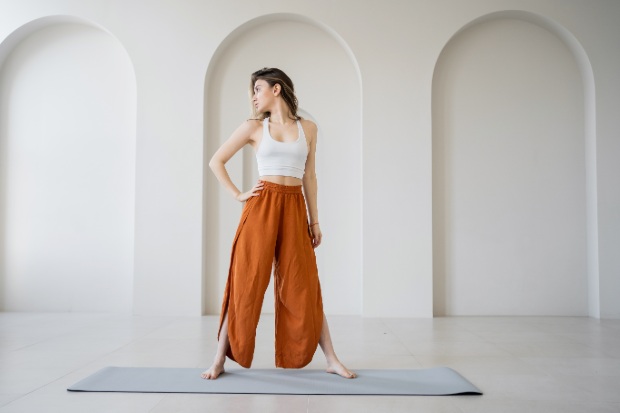
The first Tibetan rite focuses on gentle rotation and body awareness. According to the teaching website Tummee, it involves standing with your arms extended and rotating slowly while maintaining mindful breathing. Standing spins encourage balance while creating a sense of movement and energy at the start of your practice.
To begin, stand tall with your arms stretched out to the sides. Slowly turn clockwise while keeping your gaze soft. Start with a few rotations and pause if you feel dizzy. Place your hands on your hips, take several deep breaths, and allow your body to settle before continuing.
(muse studio / Shutterstock.com)
Rite Two: The Leg Raise
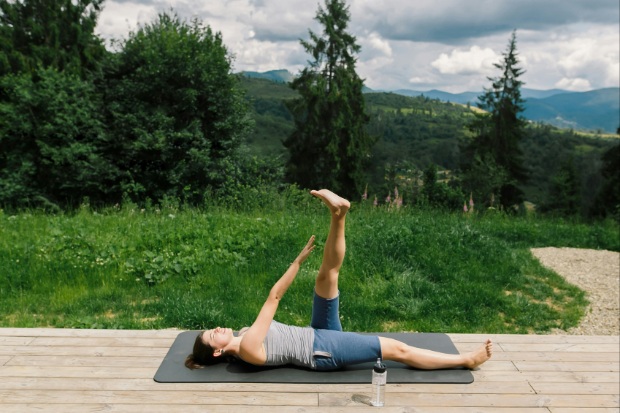
The second rite combines core engagement with controlled movement, according to Healthline. This exercise resembles a gentle yoga leg raise and encourages awareness through the abdominal muscles and lower body.
To practice, lie on your back with your arms alongside your body. Inhale as you lift your legs and head slightly upward, then exhale as you slowly lower them back down. Move at your own pace and keep your lower back comfortable. Repeat several times while maintaining slow, steady breaths.
(Getty Images For Unsplash+)
Rite Three: The Kneeling Backbend
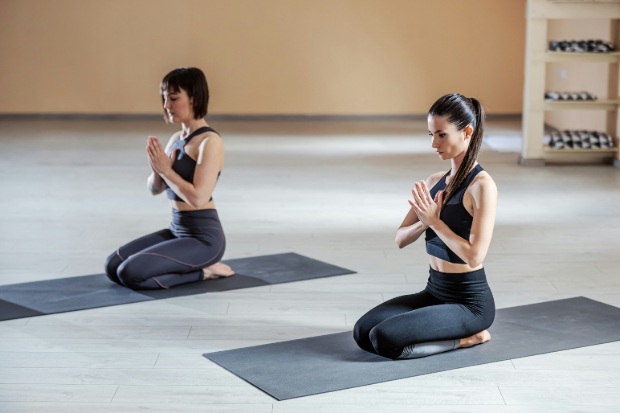
According to CrunchyTales, the third rite focuses on opening the front of the body while encouraging mindful breathing. This movement resembles a gentle kneeling backbend that stretches through the hips, chest, and shoulders.
To practice, kneel with your toes tucked under and place your hands on the back of your thighs or hips. Lower your chin toward your chest, then gently lift your head and chest while leaning slightly back. Return to your starting position with control. Keep the movement gentle and avoid forcing the stretch.
(Getty Images For Unsplash+)
Rite Four: The Moving Tabletop
The fourth Tibetan Rite brings strength and stability into the sequence through a flowing tabletop movement. According to MiNDFOOD, this rite activates the inner thighs and builds body awareness through slow, controlled transitions. This exercise engages the arms, legs, and core while encouraging mindful coordination between breath and movement.
To practice the fourth rite, sit on the floor with your legs extended in front of you and place your palms beside your hips. Bend your knees, press your hands into the floor, and lift your hips upward until your body forms a tabletop position. Keep your spine long, gently tuck your chin toward your chest, and take a deep breath before slowly lowering back down. Repeat the movement several times, focusing on steady breathing and smooth transitions.
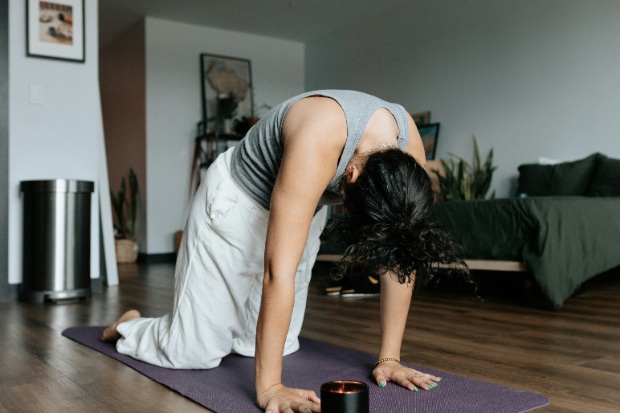
(Ivana Cajina For Unsplash+)
Rite Five: The Upward and Downward Flow
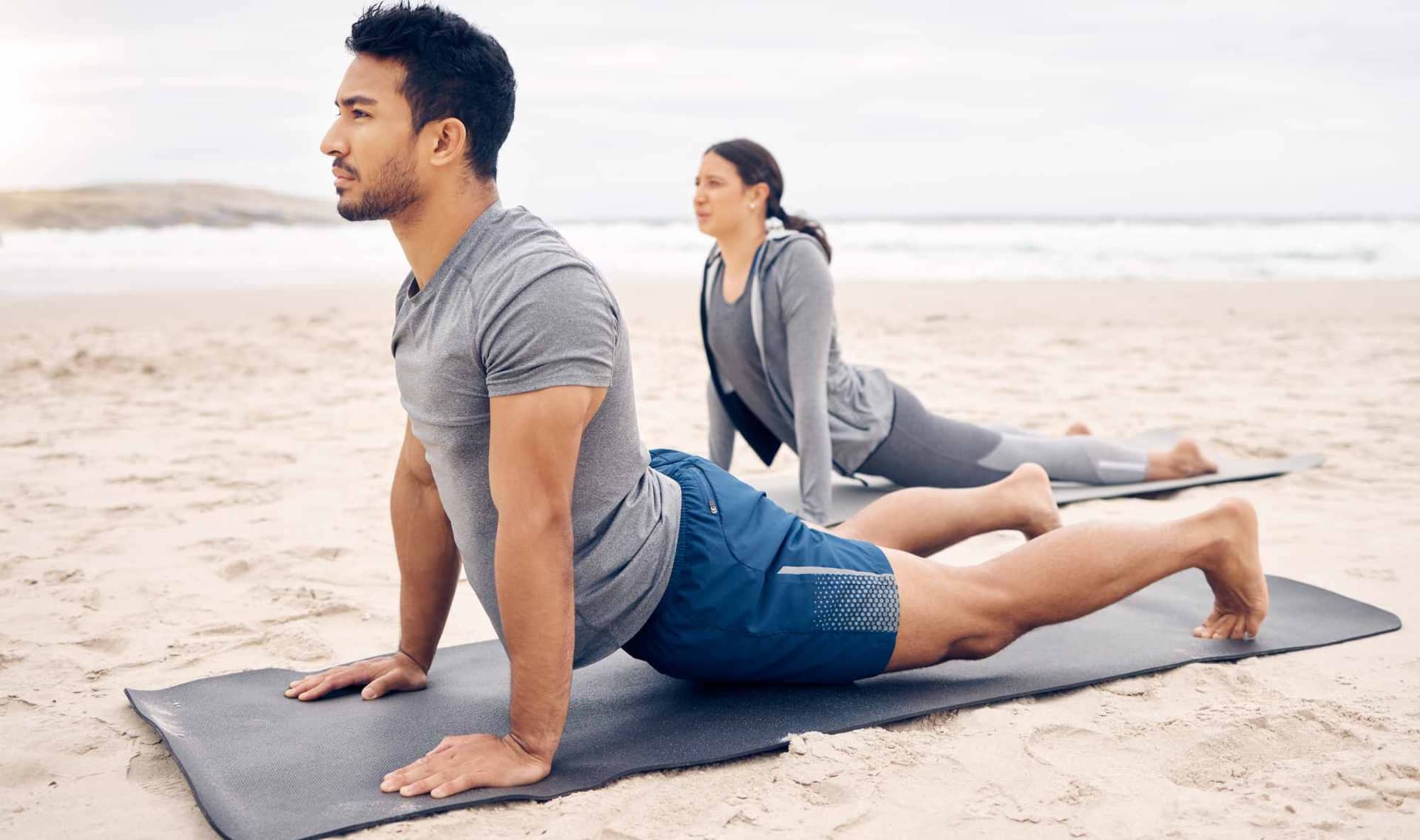
The fifth rite combines two familiar yoga-inspired positions: upward-facing and downward-facing movements. This final exercise creates a full-body stretch while bringing the sequence to a calm finish. According to Tummee, the fifth Tibetan blends these postures into a continuous flow that builds strength and flexibility.
Start in a plank-like position, then lift your hips upward into an inverted V shape. Move slowly between the positions while breathing deeply. Complete several repetitions, then pause and notice how your body feels after the full sequence.
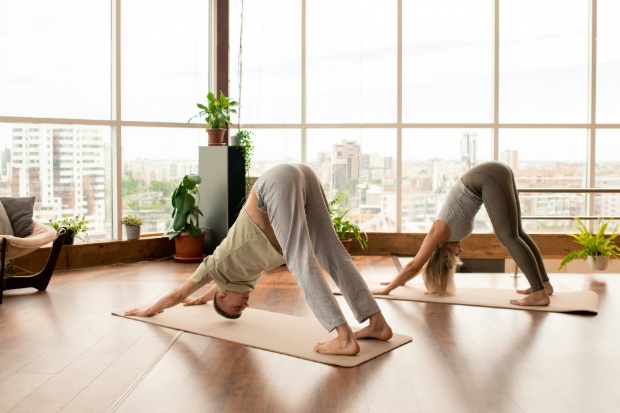
(Getty Images For Unsplash+)