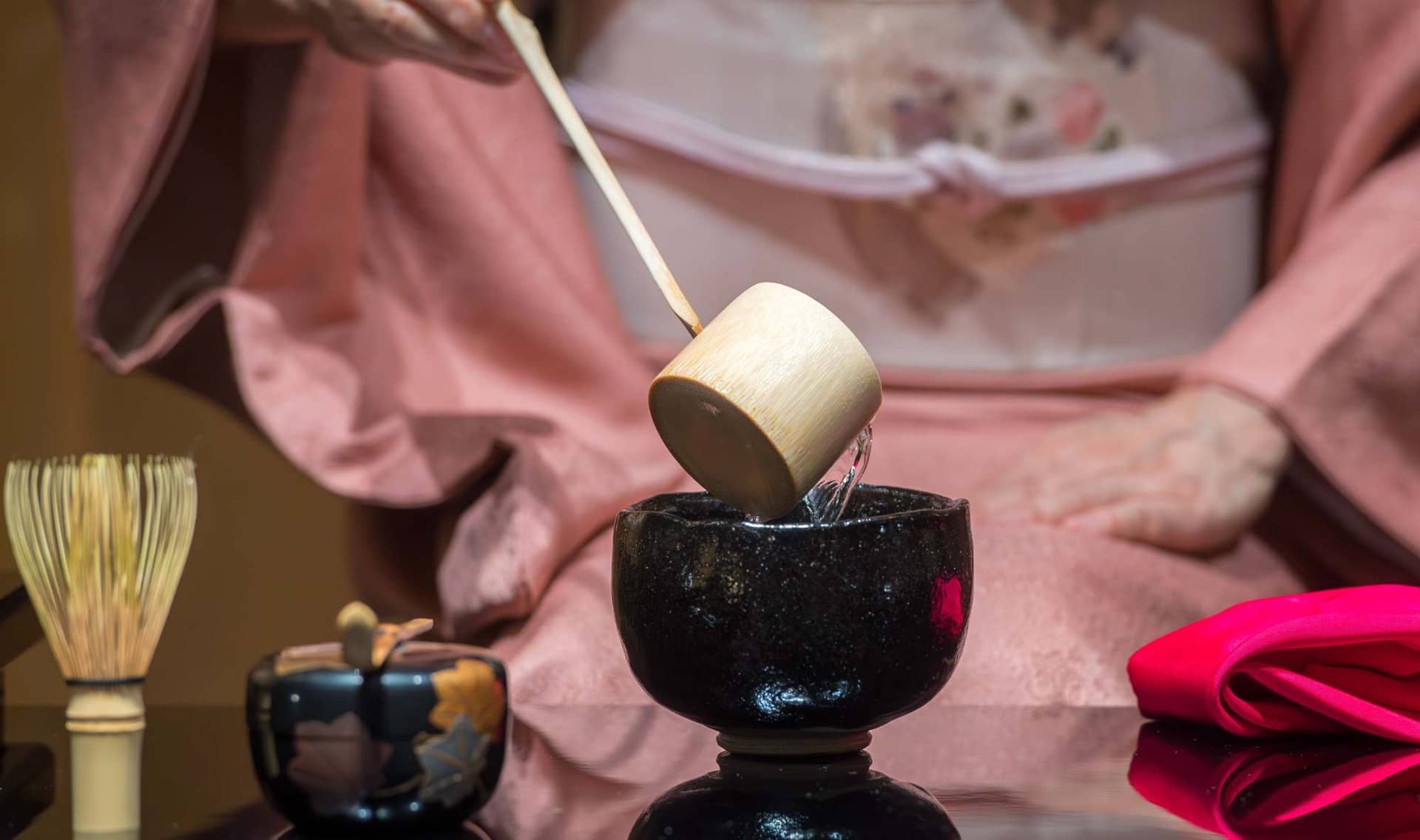
The Japanese Tea Ceremony: A Ritual of Calm and Connection
In Japan, tea plays an important role in daily life and cultural traditions, from simple cups of green tea to the carefully orchestrated rituals of the tea ceremony. More than a beverage, tea offers a way to gather, welcome others, and pause from the pace of everyday life.
The tea ceremony is described as an influential part of Japanese culture, shaped by centuries of history and Zen Buddhist ideas, according to Nippon. Through thoughtful preparation, beautiful utensils, and gracious hospitality, the ceremony encourages you to slow down and appreciate the present moment. Learning about this time-honored tradition can give you a glimpse into Japanese history while inspiring your own spiritual ritual of calm and connection.
A Brief History of Japanese Tea
Tea arrived in Japan from China centuries ago, with Buddhist monks playing an important role in spreading tea culture. Over time, tea moved beyond religious settings and became part of Japanese social and cultural life. Eventually, the formal tea ceremony developed into an elaborate tradition.
The 16th-century tea master Sen no Rikyū helped shape the ceremony into the form associated with Japanese tea culture today. His philosophy emphasized simplicity, natural materials, humility, and hospitality. The result was not simply a way to drink tea but a carefully considered experience in which every movement, object, and interaction has meaning.
Know Your Japanese Teas
Before you try a tea ceremony, it helps to understand what you are drinking. Japanese tea comes in many varieties, but most come from the Camellia sinensis plant. Food & Wine highlights several Japanese teas, including sencha, matcha, gyokuro, and hojicha, each with its own flavor and preparation method.
Sencha ranks among Japan’s most popular green teas, and you make it by steeping whole tea leaves in hot water. Gyokuro offers a rich, savory flavor and a more refined tea-drinking experience. Roasting gives hojicha its distinctive nutty taste. Matcha takes a different approach: You whisk finely ground tea leaves directly into hot water, then drink the tea along with the powdered leaves.
Create Your Own Tea Ceremony
You can recreate the spirit of a Japanese tea ceremony without a traditional tea room. The Japan Guide suggests beginning by tidying your space and gathering your tea bowl, tea, and hot water. The ceremony values every part of the experience, from the peaceful setting and careful preparation to the thoughtful interaction between host and guest.
Traditionally, the host prepares the room and tea utensils before welcoming guests. The guest enters respectfully, takes time to appreciate the setting, and receives the bowl of tea with gratitude. The host then prepares the tea through a series of deliberate movements before presenting it to the guest.
At home, begin by welcoming your guest and inviting them to sit comfortably. Warm your tea and present it with both hands. Allow your guest to receive it with appreciation. Encourage them to pause, admire the tea, and take several mindful sips.
As you create your own ceremony, keep the four principles of harmony, respect, purity, and tranquility in mind. SBS explains that these ideas form an important foundation of the tea ceremony. Create harmony by keeping the setting peaceful, show respect by giving your guest your full attention, practice purity by maintaining a clean and uncluttered space, and embrace tranquility by letting each step unfold without rushing.
These simple principles can transform an ordinary cup of tea into a meaningful spiritual ritual of connection and presence.