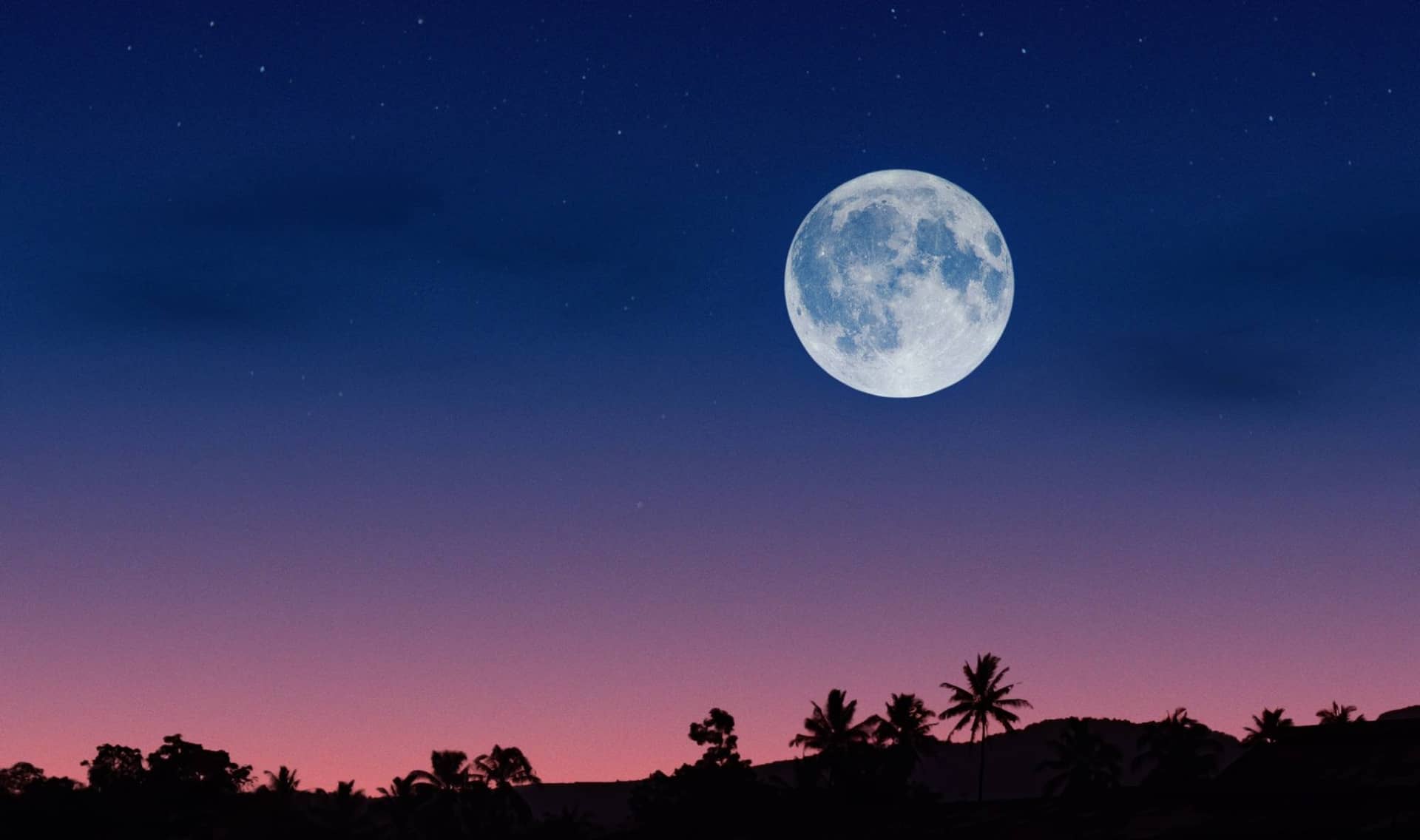
Traveling by Lunar Light : Introducing Moon Phase Tourism
Full moon tourism turns travel into a timed experience. Instead of picking a destination first and figuring out the rest later, travelers start with the sky, aligning trips with lunar peaks for reflection, release, and emotional reset. The journey becomes more about meaning, shaped by the rhythm of the moon rather than a packed itinerary.
As Spirituality & Health notes, lunar phases have long served as symbolic markers for intention-setting and renewal, especially during the new or full moon, when people pause, reset, and set intentions for what comes next. People now plan trips around the moon, heading to places where nature, open skies, and ritual experiences come together.
The Full Moon as a Travel Destination
The full moon is no longer just something to look at in the sky. It has become a focal point for travel experience. Resorts and wellness destinations now build programming around it, offering guided rituals, spa treatments, and group ceremonies designed for reflection and emotional clarity. In places like Sedona, Arizona, guests participate in intention-setting practices, cleansing rituals, and moonlit meditations that turn the night sky into part of the itinerary.
Vogue highlights how these experiences often combine nature, spirituality, and sensory detail. Guests may write down what they want to release, symbolically let it go, and then engage in grounding practices like massage or breathwork afterward. The structure feels simple, but intentional: arrive, observe, release, reflect.
Why Travelers Follow Lunar Cycles
Full moon tourism taps into a larger shift in travel toward meaning-driven experiences. Wellness travelers now look for trips that feel transformational, not just restful. The moon cycles fit fully into that mindset.
The full moon, in particular, represents culmination. Travelers often use it as a symbolic mirror, noticing what feels complete or unresolved in their lives. Some join group rituals. Others simply step outside at night, sit in silence, and observe the sky as a grounding practice. The appeal lies in structure without rigidity, ritual without rules.
Ritual, Wellness, and the Night Experience
Hotels and retreats now design full moon programming as part of broader wellness offerings. These experiences can range from silent meditation and yoga sessions to social gatherings with music, meditation, and community rituals under the moonlight. This mix of solitude and shared ceremony reflects how full moon travel blends introspection with collective experience, all shaped by the rhythm of the night sky.
The appeal also connects to the rise of noctourism, a growing travel trend centered on experiencing destinations after dark rather than during daylight hours. As Travel + Leisure explains, travelers now seek out night-based activities like stargazing, night safaris, and moonlit landscapes as a way to experience places with fewer crowds and a stronger sense of atmosphere. Full moon tourism fits naturally within this shift, using darkness, silence, and lunar light as part of the experience itself instead of treating night as downtime.
Planning Travel Around the Moon
Full moon tourism changes how people plan trips. Instead of starting with location, travelers often begin with lunar calendars, then choose destinations that align with those dates. Vogue describes this shift as part of a larger evolution in travel behavior, where wellness, astrology, and environmental awareness influence decision-making as much as price or convenience .
So, how can you design your perfect moon-based getaway? Look for places with low light pollution, wide open landscapes, or strong cultural ties to lunar traditions. Deserts, coastlines, and mountain regions tend to offer the clearest views and the strongest sense of atmosphere. You can even build an entire itinerary around a single night, letting the moon set the rhythm of your journey.