
5 Ways to Take Care of Your Older Pets
If you have a pet, they’re probably one of the most special members of your family. And while it’s common to focus on taking care of a new puppy or kitten, your pets move through life stages much faster than you do and may need some extra attention as they grow older.
Your cat or dog can become a senior as early as seven, though it depends on their breed and size, Hindustan Times reports. The passage of time comes with gradual changes in their physical health, behavior, and emotional needs. Discover how to take care of your pet as they age.
Pay Attention to Their Appetite
When your pet gets older, they may have a slower metabolism and different dietary needs. That’s why switching to a senior-friendly diet may help meet these changing needs. Glucosamine, omega-3 fatty acids, and easily digestible proteins can offer support. These nutrients may aid joint comfort and digestion while helping with healthy weight management.

(Ivanova Ksenia / Shutterstock.com)
Prioritize Preventative Care
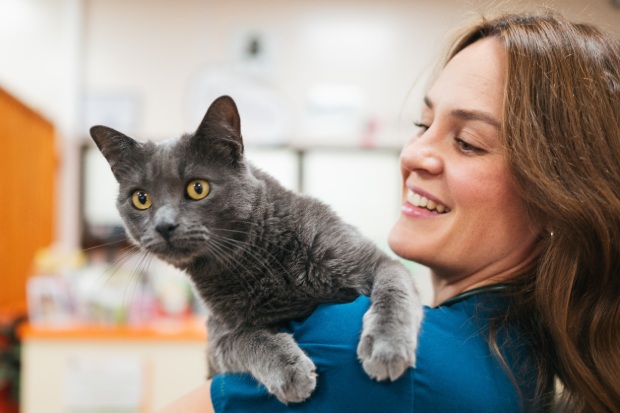
To keep your senior pets healthy, it’s better to schedule regular visits to the vet. Consider scheduling a checkup every half a year. Small choices like these can help your vet spot potential health concerns early before they become more serious.
(Gonzalo Infiesta / Shutterstock.com)
Make Sure They’re Getting Enough Stimulation
While older pets may naturally slow down, movement is still essential for their health. Regular activity can be a powerful way to support mobility and weight management. Try relaxed walks or gentle indoor play, adjusting the pace if your pet appears tired or uncomfortable. Aim for consistent movement that doesn’t push them beyond what feels good.
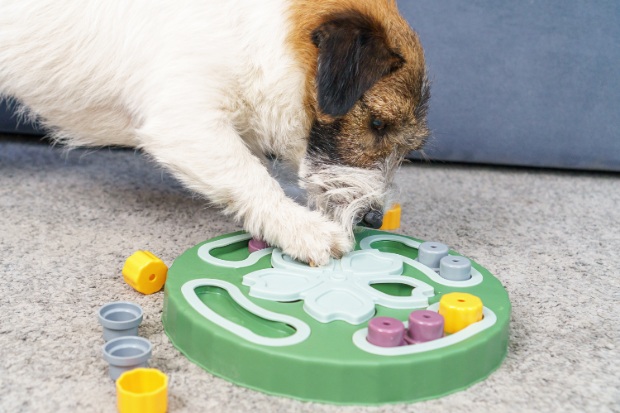
Don’t forget to keep their minds engaged too. Mental stimulation can help slow cognitive decline in older pets. Giving them puzzle feeders, scent-based games, and short training sessions can support their brains. Learning a gentle new trick can also go a long way and provide them with enjoyable mental stimulation and support their overall well-being.
(Luiza Kamalova / Shutterstock.com)
Tune Into Your Pet’s Signals
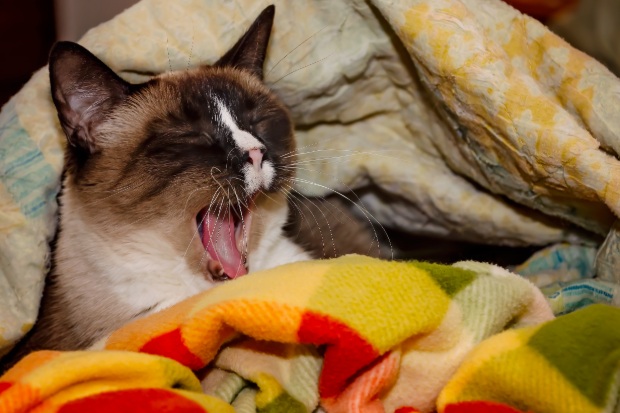
Observe shifts in your pet’s mood, sleep, or grooming habits. According to The Conversation, pets show how they’re feeling in small ways — and changes in behavior may signal an unmet need or another problem.
It’s also important to look out for subtle changes. For example, a cat that suddenly chooses the carpet over its usual scratching post may simply be choosing a new spot that’s less painful. If you have any concerns, it’s best to reach out to a vet.
(Carmen K. Sisson / Shutterstock.com)
Create a Senior-Friendly Home
Arrange your home so your older pet can comfortably reach food, water, favorite resting places, hiding spots, and areas where they spend time.
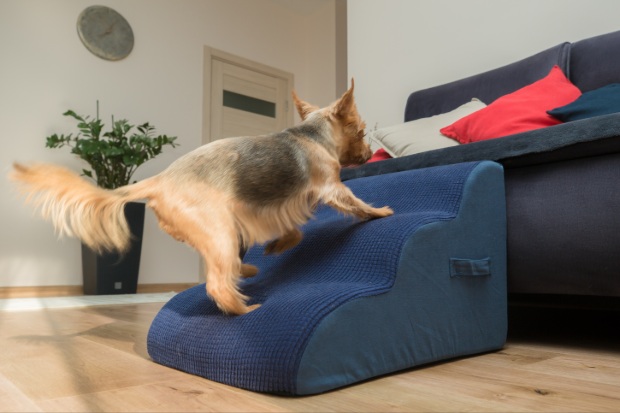
A few items and adjustments, such as small steps for reaching sofas and armchairs, firm and low cushions, or raised bowls for pets with osteoarthritis, can help improve their lives. It’s also useful to set up more feeding areas, sleeping areas, and litter trays to make daily life more convenient.
(AndrWater / Shutterstock.com)