Introducing the World’s Largest Marine Protected Area
In recent years, French Polynesia, a group of over 100 scattered islands in the central South Pacific Ocean including Tahiti and Bora Bora, and also known as the Islands of Tahiti, has taken a giant step in ocean conservation.
As Tahiti Tourism details, French Polynesia, located roughly halfway between California and Australia and a popular tourist destination, has set a precedent with its designation of Tainui Atea, a huge marine space within its waters, as the largest managed Marine Protected Area in the world. This now puts French Polynesia at the forefront of efforts committed to ocean conservation and sustainable tourism.
This initiative, Forbes reports, is remarkable not just for its size, but also for its philosophy. The connection between local people and the sea runs deep in Polyneasian culture, and this is reflected in how the Taunui Atea area is guided by Indigenous and local knowledge, as well as by science.
Tainui Atea: A Deep Dive
Tainui Atea means the great expanse of the sea in the Tahitian language.
In 2025, at the third United Nations Ocean Conference (UNOC 2025), this area reached a milestone: Tainui Atea was officially designated a Marine Protected Area (MPA), after its establishment in 2018, becoming the largest ever created in the world.
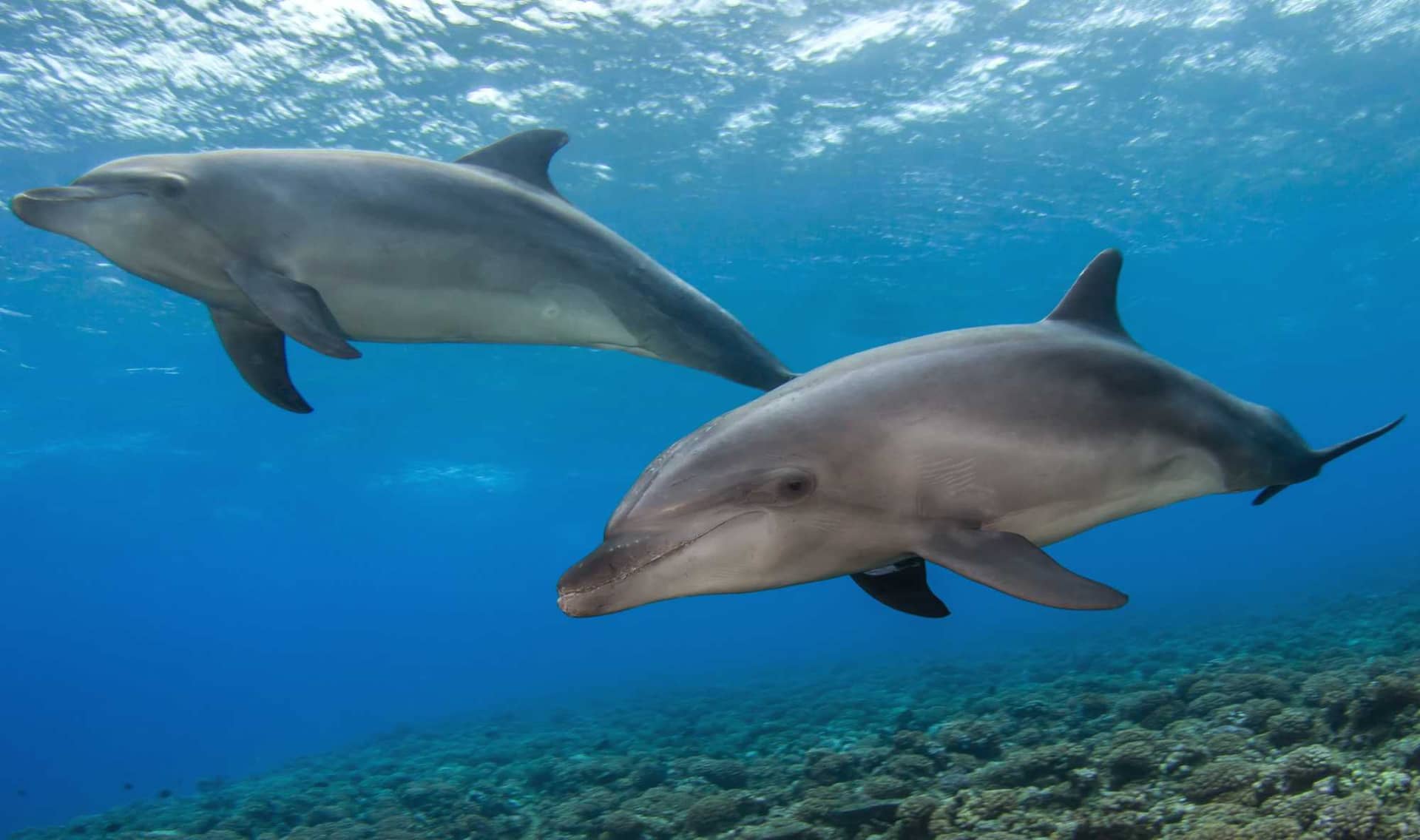
In June 2026, to commemorate World Ocean Day, French Polynesia announced the designation of a further 515,000 square kilometers of new protected marine areas across the Austral and Marquesas Islands. These are two of the most remote archipelagos on Earth, sustaining some of the highest concentrations of endemic marine species in the Indo-Pacific, a vital habitat for endangered sharks, whales, dolphins and sea turtles, and spawning grounds that help replenish tuna stocks across the Pacific, as Conservation International details.
This popular destination is known for its clear waters, 21 shark species, 176 species of coral, and over 1,000 fish species, as Travel + Leisure explains. It is a huge area, covering an expanse of water that spans 1.7 million square miles (circa 453 million square kilometers), and is recognized for its biodiversity. Data hub Protected Planet maps the expanse of this territory.
A 2025 news release from the United Nations World Conservation Monitoring Centre, shares that this new designation increased French Polynesia’s level of marine protection by an astounding 87.3 percent!
Importantly, this also highlights concerns for people whose lives are most closely tied to the ocean due to tourism and traditional fishing practices. Locals in island states within the Pacific have long felt the impacts of rising seas, coral bleaching, and shifting ecosystems. These changes have led to the loss of homes and livelihoods, and have threatened local ways of life and traditions.
The Power of Conservation!
As Tahiti Tourism reports, this new MPA status strengthens French Polynesia’s conservation resolve to protect marine strategy and ocean ecosystems, as well as the resources on which local communities depend.
Significantly, the transformation of this area into a protected marine expanse comes with conservation “teeth.”
These include a ban on most commercial fishing, and seabed exploitation in order to preserve deep-sea ecosystems that are largely unexplored. In addition, drifting fish aggregating devices are prohibited. These devices, as the Marine Stewardship Council explains, are floating wooden structures with hanging nets to attract fish. They present a danger to marine life because a wide variety of species, including turtles and sharks, congregate around them, and can get entangled in their floating nets.
These new protective measures have been praised by Isaac Rounds, of the Secretariat of the Pacific Regional Environment Programme: “This bold action by French Polynesia reflects the Pacific’s leadership in advancing ocean conservation, grounded in culture and community. It’s a powerful example of how Indigenous ecological knowledge, ecological integrity and sovereign action can come together to protect ocean biodiversity at scale,” he says, in the above-mentioned news release.
Echoing this sentiment, Forbes salutes that this huge MPA is rooted in local Indigenous knowledge, and views it as a model for successfully merging resource conservation with immersive, sustainable tourism. It quotes the CEO of Tahiti Tourism, who said in a recent press release that “Our ocean is our identity… .By protecting this heritage, we enrich travelers’ experiences and secure lasting benefits for our islands.”
Currently, this protected area is under the guidance of a longer-term management plan covering 2023-2037 with a broad range of stakeholders. These include French Polynesia, the French State, fishermen’s associations, and environmental and cultural organizations, according to Travel Mole.