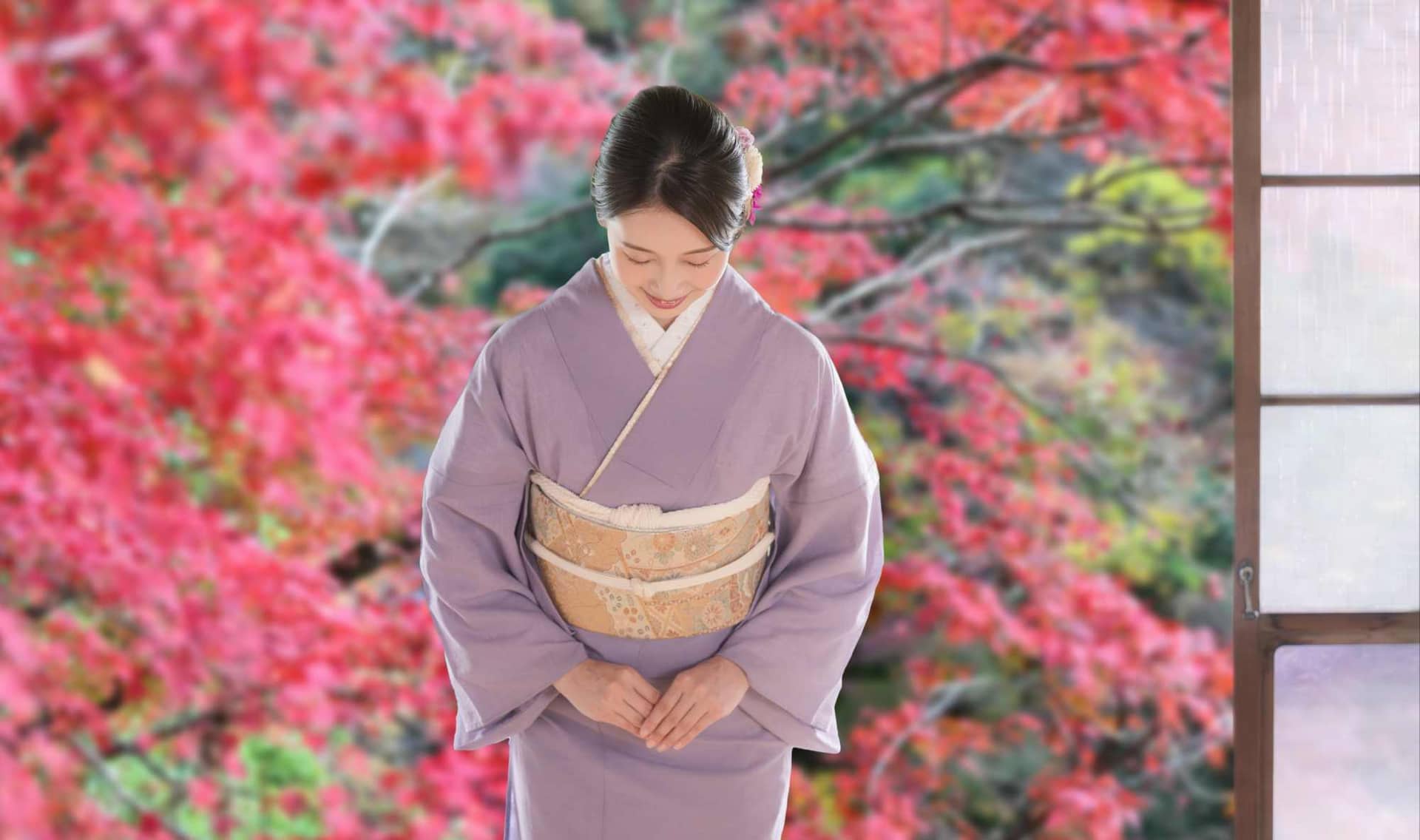
Introducing The Japanese Art of Omotenashi: How Thoughtful Hospitality Creates Connection
What if hospitality were less about grand gestures and more about noticing what someone needs before they ask? Omotenashi, commonly translated as Japanese hospitality, is rooted in the idea of anticipating what another person might need and taking care of those details with sincerity. It centers on thoughtful service, genuine care, and attention to detail.
According to the Japan National Tourism Organization, the concept encourages you to anticipate another person’s needs and offer sincere hospitality without expecting anything in return. You can bring this mindset into your home, workplace, friendships, and everyday interactions. A thoughtful greeting, a carefully prepared meal, or simply remembering someone’s preferences can turn an ordinary interaction into a meaningful connection that makes guests feel genuinely cared for.
What Is Omotenashi?
Tokyo Weekender explains that omotenashi has deep cultural roots in Japan and is often associated with wholehearted hospitality rather than simply providing good service.
At its heart, omotenashi is about creating a thoughtful experience through awareness, generosity, and genuine care. The practice extends beyond formal hospitality and can shape everyday interactions, from welcoming a guest into your home to making someone feel valued during a conversation. Small details often carry the greatest meaning because they show that you have taken the time to notice and understand another person’s needs.
Omotenashi is closely associated with the Japanese tea ceremony known as chanoyu. The Japan Times reports that although its exact origins remain unclear, many believe the practice grew from tea hosts’ careful preparation and attention to their guests’ needs.
Give Without Expecting Something Back
One of the most meaningful aspects of omotenashi is its emphasis on sincere hospitality. The Economic Times describes the practice as serving others wholeheartedly rather than simply performing an expected duty.
You can adopt this attitude by doing kind things without waiting for recognition. Send a message to someone who has been on your mind. Make dinner for a friend who has had a long week. Offer your help when you notice someone struggling. When kindness becomes less about receiving praise and more about making someone else’s day easier, your relationships can feel more genuine.
Be Present With Others
Thoughtful hospitality also requires attention. You cannot anticipate someone’s needs if you are distracted or rushing through the interaction. Condé Nast Traveler notes that omotenashi has gained attention beyond Japan because of its emphasis on anticipating guests’ needs and creating meaningful experiences.
Practice being fully present when someone speaks to you. Put your phone away, make eye contact, and listen without planning your response. Notice their tone and body language. Sometimes the most thoughtful thing you can offer is your undivided attention.
Create Connection Through Small Gestures
Omotenashi reminds you that meaningful hospitality does not require perfection or extravagance. It begins with awareness, generosity, and a willingness to make someone else feel welcome. According to Food & Wine, these principles can transform simple acts of service into memorable experiences. In the spirit of omotenashi, kindness becomes less about what you give and more about how thoughtfully you give it.
Look for one opportunity each day to practice thoughtful hospitality. Remember someone’s preference, make space for a guest, offer encouragement, or simply listen. These small acts of kindness can strengthen your relationships and create a greater sense of connection.